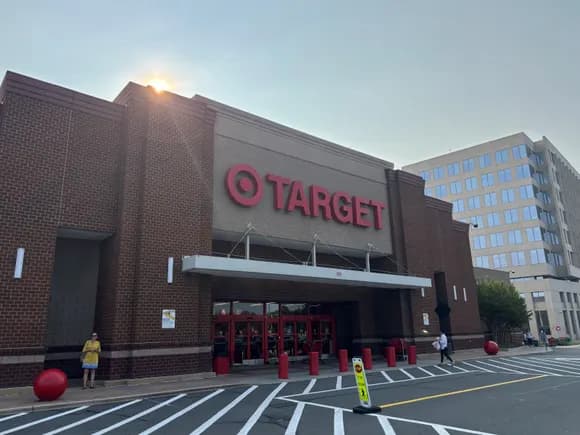
Target warns organized retail crime is a safety, operations threat
Target is treating organized retail crime as a shift-level safety issue, not just shrink. That means more locks, more training, and more pressure on daily operations.
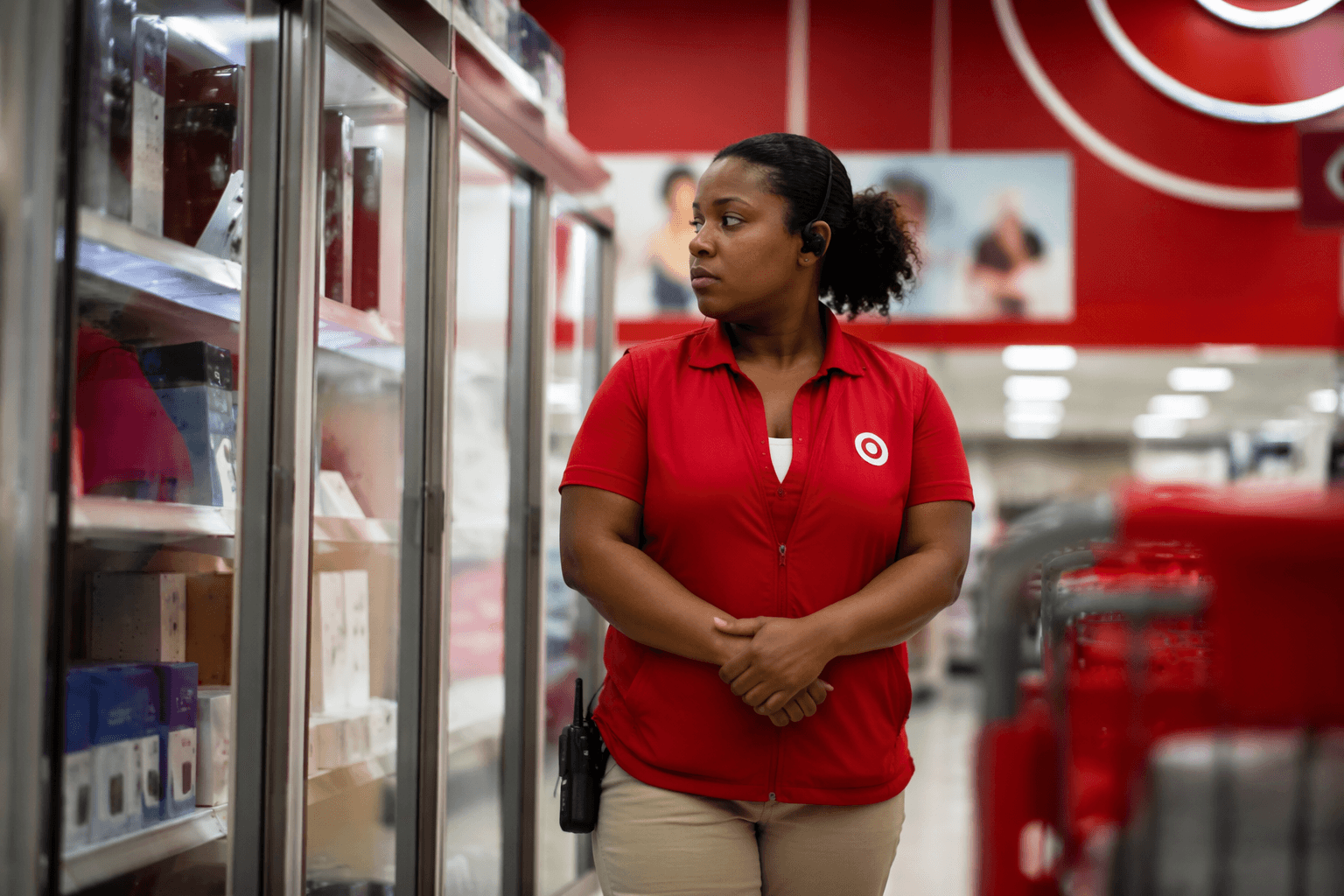
Target’s message is clear: organized retail crime is not just merchandise walking out the door, it is a storewide safety and operations problem. For team members, that changes the conversation from how much product is missing to how safe, steady, and predictable a shift feels when the same categories keep getting hit. For leaders, it means AP, operations, training, and guest experience are now part of the same conversation.
Why Target is sounding the alarm
Target has already taken a public step that shows how seriously it views the issue. In 2023, the company said it would close nine stores across four states because theft and organized retail crime were threatening the safety of team members and guests and hurting business performance. That is a blunt admission that the problem can cross from shrink into store viability, and it gives frontline employees a better read on why some locations are under so much pressure.
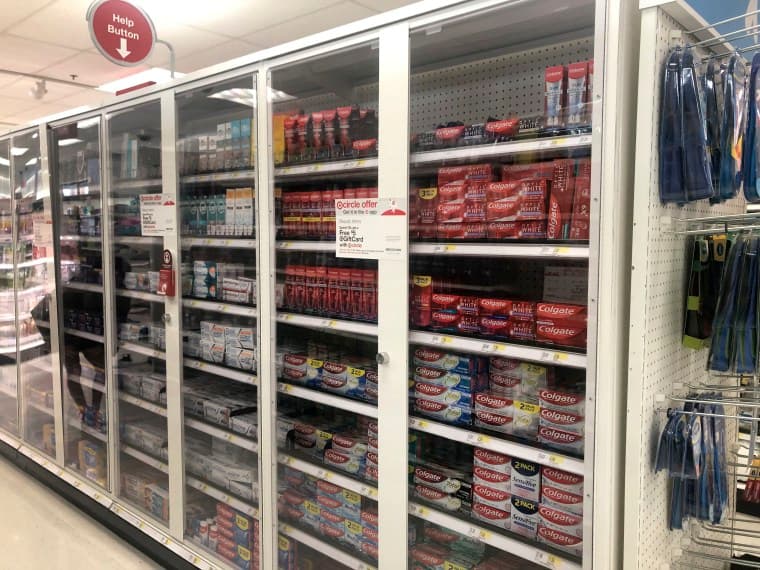
The response Target described was not a single fix. The company said it had added security team members, brought in third-party guard services, used theft-deterrent tools, added locking cases for some merchandise, and trained store leaders and security team members to de-escalate safety issues tied to organized retail crime incidents. It also said it was partnering with U.S. Homeland Security Investigations and using advanced threat intelligence and custom tools to track organized crime groups and fold prevention into online and in-store processes. That combination shows how far the company has moved from treating theft as a backroom nuisance.
What this means on the salesfloor
For team members, organized retail crime often shows up as more control, more observation, and more interruptions. When a store sees repeated pressure on certain categories, the response may include more frequent zoning, locked product, adjusted fixtures, additional camera review, or changes in how high-risk items are stocked and recovered. Those changes can make a shift feel tighter and slower, but they are usually a sign that the store is trying to prevent repeated hits, not just react after the fact.
That matters because coordinated theft patterns do more than reduce inventory. They can affect stock accuracy, make guests frustrated when items are locked up or harder to find, and erode confidence among team members working the salesfloor or guest service desk. The practical question for workers is not abstract: if a store is under pressure, will the day run smoothly, or will people spend the shift dealing with missing product, security checks, and avoidable tension?
Safety is now part of the operating model
The strongest part of the new framing is that it puts worker safety inside the operating model instead of outside it. The Thomson Reuters Legal guide argues that organized retail crime has become more coordinated, more mobile, and more likely to target high-value items across multiple stores or regions. It also says retailers need a multi-layered response: better technology, stronger internal processes, and closer collaboration across teams and external partners.
That lines up with what Target and other retailers are doing on the ground. Retail crime prevention is not only an AP function anymore. It touches store leadership, supply chain, training, front-end routines, and the way a store handles escalation when something feels off. For an ETL or store director, the implication is simple: prevention work is part of how the building runs, and employees should not be pushed to improvise risky interventions when a situation escalates.
The day-to-day culture impact is real. If workers feel that locked cases, camera review, or AP presence are there to protect them as much as product, the store can feel more controlled and less chaotic. If those same tools are introduced without communication, staffing, or clear escalation paths, they can feel like friction layered onto an already busy day.
Why the problem is getting harder to ignore
Target’s own 2024 annual report says the company has historically experienced inventory loss from damage and theft, including organized retail crime, and that shrink has been elevated relative to historical levels in recent years. That language matters because it shows this is not being treated as a one-off spike. It is part of a longer operational problem that affects margins, inventory accuracy, and how much pressure lands on stores.
Industry data points in the same direction. The National Retail Federation’s 2025 retail theft and violence report, based on responses from 70 retail companies representing 168 brands, found an 18% increase in average shoplifting incidents in 2024 compared with 2023. It also found a 17% increase in threats or acts of violence during shoplifting or theft events, and 67% of retailers reported transnational organized retail crime involvement. That is a major signal that the issue is not just local opportunism. It is becoming more organized, more violent, and more connected across regions.
Congress has also treated organized retail crime as a broader policy issue. The Combating Organized Retail Crime Act of 2023 describes ORC as groups targeting retail stores, often using violence or threats of violence, and says retailers saw losses of about $720,000 for every $1 billion in sales in 2019, more than 50% higher than 2015. That puts a hard dollar figure on what store teams experience as stress, disruption, and tighter controls on the floor.
What organized retail crime looks like from a Target shift
The important distinction is that organized retail crime is not ordinary shoplifting. The groups involved can move quickly, repeat target the same merchandise, and create disruption that spreads well beyond a single incident. In a Target store, that means an AP issue can become an inventory issue, then a staffing issue, then a guest service issue before it is over.
It also explains why prevention work can feel strict. Better communication, faster escalation, and consistent follow-through are not just compliance habits. They are the difference between a store that absorbs repeated hits and one that starts to feel unstable for the people working there. When the response is coordinated, team members are less likely to be left improvising around risky behavior on the salesfloor.
The real measure is whether people feel protected
The broader trend is pushing retailers to think about crime less as a shrink metric and more as a workplace condition. For Target, that means AP policy, shelf locking, inventory controls, and de-escalation training are now part of the same story as team member safety and store performance. A store can still take pride in presentation, service, and speed, but those strengths get harder to maintain if workers feel exposed or unsupported.
That is why organized retail crime is now a culture issue as much as an operations issue. The stores that handle it best will be the ones that keep communication tight, train leaders to respond calmly, and make sure team members know the company is protecting people, not only product.
This article was produced by Prism’s automated news system from verified source data, official records, and press releases, then run through automated quality and moderation checks before publishing. The system is built and supervised by the people who set the standards it runs under. Read our full AI policy.
Did this article answer your question?