Target weighs slower tech changes as 2026 retail shifts accelerate
Costco’s measured tech rollout is a reminder for Target: the fastest tool is useless if it slows checkout, training, or inventory work.

The real question for Target teams is not whether new technology is coming. It is whether a rollout makes a shift easier or just adds another system to learn at the register, in fulfillment, or on the sales floor.
Costco’s June 4 technology coverage landed as a useful benchmark because it framed digital change as something to pace around operations, not around headlines. The warehouse club is not trying to out-Amazon Amazon or out-Walmart Walmart. It is moving at its own speed, and its latest results suggest that approach is working: third-quarter net sales rose 11.6% to $69.15 billion, digitally enabled sales grew 21.5%, and the company said it operated 931 warehouses worldwide. In other words, a slower rollout has not kept Costco from growing its digital business.
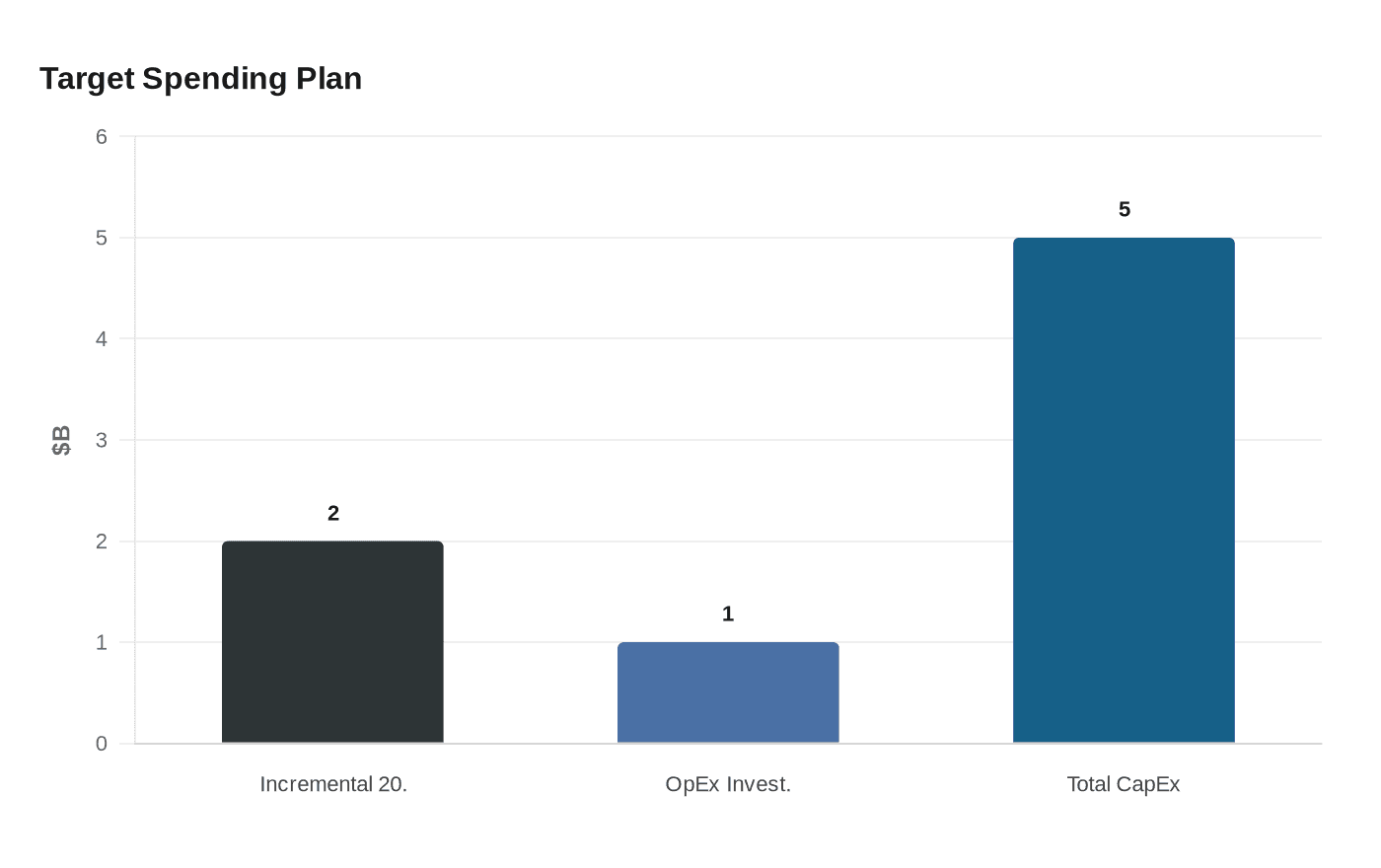
That matters at Target, where the company’s March 3 strategy tied technology to guest ease, payroll, and training, not just to image or speed. Target said it would make an incremental $2 billion investment in 2026, including more than $1 billion in additional capital expenditures and $1 billion in additional operating investments. It also plans to lift total capital spending to about $5 billion this year to support new stores, remodels, technology, and supply-chain investments. For store teams, that means the test is not whether a tool sounds modern from Minneapolis. The test is whether it reduces friction for guests and workers at the same time.
Target has already shown where it wants to go. In June 2024, the company introduced Store Companion, a generative AI chatbot for team members in nearly 2,000 stores, saying it would help answer process questions, coach new hires, and help teams work more efficiently. Target said the tool was slated to reach hundreds of thousands of team members by August 2024. By June 2026, Target said it operated more than 2,000 stores, more than 60 supply chain facilities, and more than 400,000 full-time, part-time, and seasonal team members. That scale is why rollout discipline matters so much. A feature that looks simple in a headquarters demo can become a training burden in a backroom with a line at self-checkout.
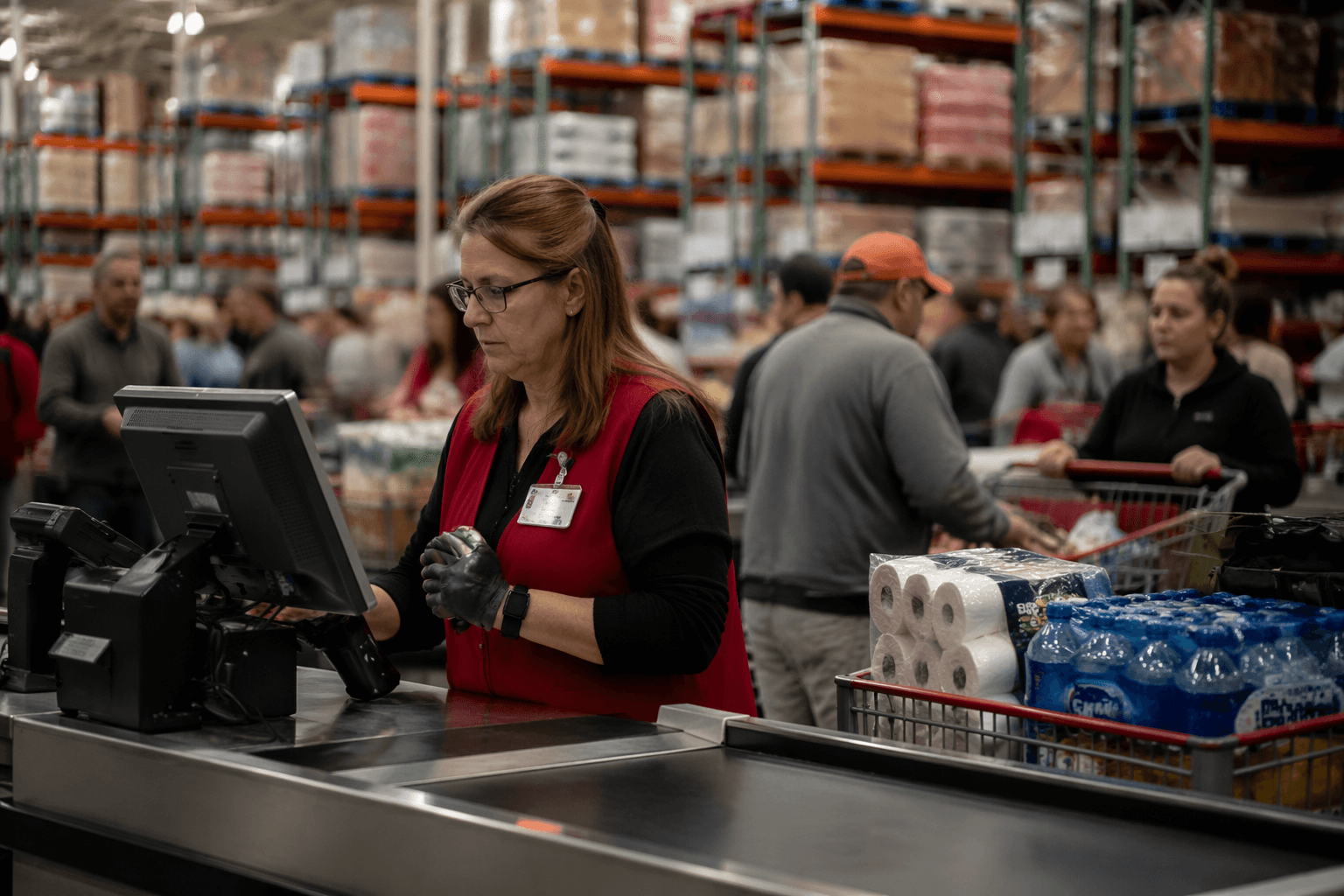
Target’s 2026 priorities, merchandising authority, guest experience, accelerating technology, and strengthening teams and communities, make the tradeoff plain. The company has said it will spend hundreds of millions of dollars on additional store payroll and training this year. Costco’s results show that retail tech does not have to arrive as a flashy transformation to drive growth. For Target, the benchmark is simpler: adopt faster when the change actually clears the path for the people doing the work.
This article was produced by Prism’s automated news system from verified source data, official records, and press releases, then run through automated quality and moderation checks before publishing. The system is built and supervised by the people who set the standards it runs under. Read our full AI policy.
Know something we missed? Have a correction or additional information?
Submit a Tip