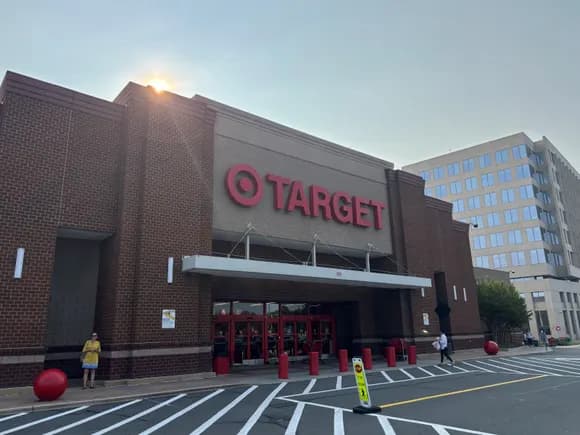
Target workers learn how inventory accuracy drives shrink control
Empty shelves and messy backrooms are not separate problems. At Target, accurate counts, fast replenishment and tighter shrink control move together.

If the shelf says it is there and the bin says it is there, but the guest cannot find it, the whole store feels it. At Target, inventory accuracy is not just a backroom exercise or a corporate metric, it is the thing that connects replenishment, shrink control and the everyday rhythm of the floor.
That is why the basics matter so much: counting correctly, receiving accurately, zoning well, keeping backstock disciplined, and making sure register and fulfillment activity matches what the system shows. When those pieces line up, the store runs cleaner and faster. When they do not, team members spend time hunting for product that was never really where the system said it was.

What shrink really measures
The National Retail Federation treats shrink as a trailing measure of inventory loss, usually calculated after a physical inventory. That matters because shrink is not a live dashboard of what is happening in the store today. It is a backward-looking number that can reflect theft, damage, administrative errors and other losses, which means the term covers a lot more than crime alone.
That distinction is useful on the floor. A missing item on the sales floor may come from a miscount, a receiving mistake, a misplaced backstock carton, a damaged unit, or theft. The store can feel the same in all of those cases, but the fix is different, and that is why inventory discipline has to be broad rather than narrow.
The NRF Foundation’s RISE Up Retail Industry Fundamentals credential is built around that same idea for people who are new to retail. It is an introductory path that teaches workplace readiness and the basics of how the industry functions. In plain terms, it helps newer team members understand that the store, the backroom and the data system are one connected operation, not a set of unrelated tasks.
Why a wrong count creates real work later
A bad count rarely stays contained. If inventory says an item is on hand when the shelf is empty, the guest sees a missed item, the team sees a gap, and someone eventually has to chase the discrepancy through the backroom or the system. If a count is low when the product is actually there, the store may trigger a false out-of-stock or miss a replenishment opportunity altogether.
That is why leaders care so much about the basics that can look small in the moment. Zoning keeps product visible and easier to recover. Backstock discipline keeps the backroom from becoming a maze of unknowns. Cycle counts help the system catch errors before they snowball. Accuracy at the register and in fulfillment matters because those actions change what the store thinks it has left.
For team members, the operational lesson is simple: every task helps the next task. A clean aisle supports better counts. Better counts support better replenishment. Better replenishment reduces guest frustration and cuts down on the rework that eats into a shift.
How Target ties inventory to margin
Target has been unusually direct in its public filings about how much inventory management matters financially. In its 2025 annual report, the company said effective inventory management means staying in stock in core product offerings, maintaining positive vendor relationships, and carefully planning inventory levels for seasonal and apparel items to minimize markdowns and other losses.
The same filing puts a dollar figure on the stakes: a 10 percent increase or decrease in Target’s 2025 year-end inventory shrink reserve would affect cost of sales by about $110 million. Target also said its historical physical inventory count results have shown its estimates to be reasonably accurate, which suggests the reserve is not just a guess but a heavily monitored estimate tied to actual counts.
That makes inventory accuracy more than a housekeeping issue. It is a financial line item that can move cost of sales by nine figures, and it feeds directly into margin, planning and the way the company thinks about what is available to sell.
What changed in 2025, and why workers should care
Target said it realized significant improvements in inventory shrink in 2025, with shrink rates reaching pre-pandemic levels. The company also said lower inventory shrink helped improve fourth-quarter gross margin, alongside lower supply chain and digital fulfillment costs. In that quarter, Target reported a gross margin rate of 26.6 percent.
For store teams, that matters because the benefits show up in everyday conditions, not just in finance. Lower shrink and cleaner inventory data should mean fewer phantom product searches, fewer surprise gaps, and less time spent fixing problems that should have been caught earlier. It does not eliminate pressure on the floor, but it does make the work less chaotic.
Target also said it expanded the use of AI-powered tools in merchandising, planning, inventory management and personalization. That does not replace the need for disciplined store work. If anything, it raises the value of accurate counts and clean execution, because the smarter the system gets, the more it depends on the store feeding it reality.
The earlier warning behind the current focus
Target’s current emphasis did not come out of nowhere. In 2023, the company told investors that shrink would reduce that year’s profitability by more than $500 million compared with the prior year, and it said theft and organized retail crime were increasingly important drivers. That disclosure shows how sharply shrink can hit a retailer when losses grow and how quickly it can become a leadership priority.
The comparison to 2025 also matters. Target said a 10 percent change in its year-end inventory shrink reserve would affect cost of sales by about $150 million in 2023, compared with about $110 million in 2025. That suggests the reserve was lower in 2025 than in 2023, even though each year has to be read in the context of its own counts, operating conditions and inventory mix.
What this means on a normal Target shift
The practical takeaway is that inventory accuracy is not abstract. It is what keeps the store from turning into a scavenger hunt. When receiving is accurate, replenishment is cleaner. When zoning is tight, teams can see what is really on the shelf. When backstock is organized, counts are more reliable. When counts are reliable, shrink is easier to understand and the store wastes less time on avoidable rework.
That is why this work matters even if you never plan to leave the floor. Target’s financial reporting shows that inventory errors are tied to margin, forecasting and cost of sales. The day-to-day store reality shows the other side of that equation: fewer stockouts, less rework, smoother shifts, and a store that feels easier to run because the floor, the backroom and the system are finally telling the same story.
This article was produced by Prism’s automated news system from verified source data, official records, and press releases, then run through automated quality and moderation checks before publishing. The system is built and supervised by the people who set the standards it runs under. Read our full AI policy.
Did this article answer your question?