Target workers’ short breaks may count toward overtime pay
A 5-to-20-minute break can be paid time, and if a Target week crosses 40 hours, those minutes can help trigger overtime.
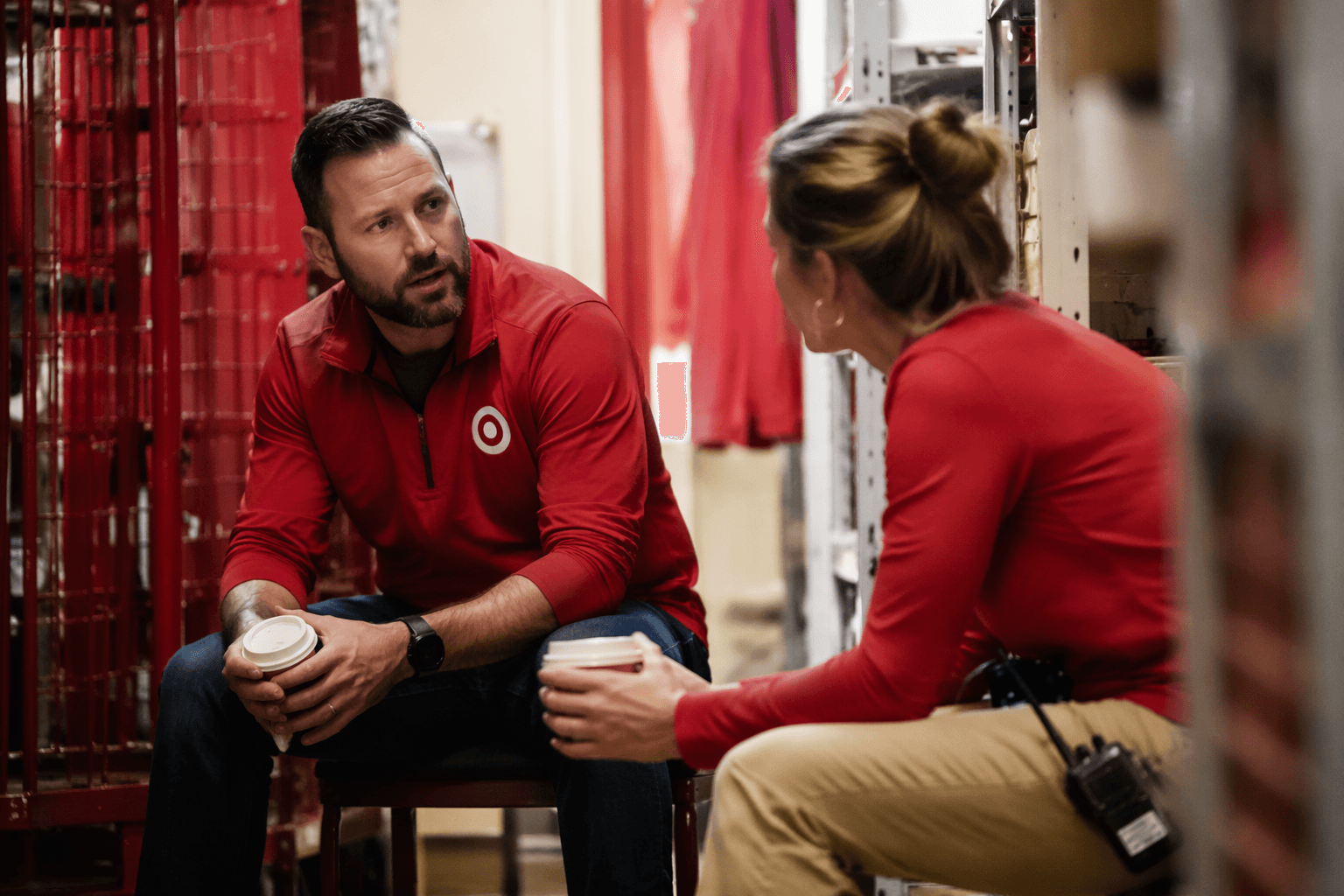
A missed 15-minute break, a late freight run or a few minutes spent finishing prep off the clock can move a Target paycheck more than many workers realize. Federal law does not require lunch or coffee breaks, but short breaks usually lasting 5 to 20 minutes are generally compensable work time and count toward overtime calculations.
That is the core distinction under the U.S. Department of Labor’s wage-and-hour rules. Bona fide meal periods, usually 30 minutes or more, are not paid if the employee is fully relieved from duty. Covered employees must get overtime pay for hours worked over 40 in a workweek at not less than one and one-half times their regular rate of pay. The federal baseline does not require extra pay for nights, weekends or holidays unless those hours push the week past 40, and it does not require employers to provide breaks at all. State laws can be stricter, which is where a lot of workers get tripped up.
For Target team members, the practical question is what happens when the store rhythm does not match the schedule. If a team member works through a short rest break, stays on task during what should have been a meal period, or clocks out while still finishing work, those minutes can affect the total hours counted for the week. Target’s Code of Ethics says leaders should make sure non-exempt team members get required duty-free meal periods and rest breaks and that all time worked is accounted for. Its 2026 pay-and-benefits materials also emphasize reliable scheduling, a reminder that timekeeping is not just an HR detail but part of store execution.
The scale matters. Target says it has about 43,000 on-demand store team members, nearly 2,000 stores and more than 60 supply chain facilities. In a workforce that large, even small punch errors or skipped breaks can ripple into payroll disputes, missed overtime and complaints that the schedule on paper did not match the shift on the floor. The company has already faced wage-and-hour scrutiny in New Jersey, where current and former warehouse workers reached a $4.6 million settlement over claims tied to unpaid walking time before and after mandatory security screening.
The same federal rules also protect nursing employees. Under the PUMP Act, covered employers must provide reasonable break time and a private place, other than a bathroom, for an employee to express breast milk for up to one year after a child’s birth. For Target workers trying to make sense of break policy, the bottom line is simple: federal law is only the floor, and the difference between paid time and unpaid time can show up directly in the overtime column.
This article was produced by Prism’s automated news system from verified source data, official records, and press releases, then run through automated quality and moderation checks before publishing. The system is built and supervised by the people who set the standards it runs under. Read our full AI policy.
Did this article answer your question?