Target’s footprint spans 2,000 stores and a vast supply chain network
Target’s 2,000-plus stores and 66 supply chain facilities shape more than sales: they shape transfers, role changes, and where workers can stay.

Target’s footprint is a worker map as much as a business map. With 2,000-plus stores, 66 supply chain facilities, two Minnesota campuses, and global offices that reach from Bengaluru to sourcing hubs around the world, the company gives team members more than one place to fit in. That matters when life changes, because staying with Target can mean moving from a store to supply chain, shifting into headquarters work, or finding a different role without leaving the brand behind.
Where the work sits
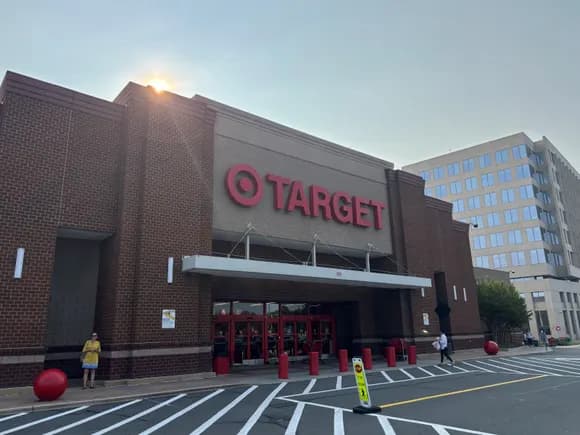
Target says most Americans live within about 10 miles of one of its stores, which is why stores function as neighborhood destinations, pickup points, and fulfillment hubs all at once. For store teams, that means the job is no longer just salesfloor coverage and checkout. It also includes order pickup, backroom flow, stocking, presentation, and the daily coordination that keeps digital orders from colliding with guest traffic.
The scale behind those stores is what gives the company its flexibility. Target says nearly 60,000 team members work across its 66 supply chain facilities in 25 states, while more than 14,000 corporate team members are connected to Minnesota headquarters. Add the five additional U.S. offices, the global capabilities center in Bengaluru, India, and more than 20 sourcing offices globally, and you get a company with multiple ladders inside one organization.
For a Target worker, that matters because the company is not built around one kind of career path. Store jobs, distribution jobs, corporate roles, and global support functions all sit inside the same system. A team member who starts on the floor may later look toward fulfillment, operations, logistics, planning, merchandising, technology, or sourcing instead of starting over somewhere else.
Why the footprint matters when life changes
This is where Target’s scale becomes practical, not abstract. If a spouse changes jobs, a family member needs care, or a worker wants to move closer to home, a chain with dense store coverage and a large supply chain network can offer a realistic way to stay employed. That is especially true in retail, where turnover often forces workers to choose between income and geography.
Target’s network also creates more internal movement between functions than many shoppers realize. A backroom process in one store can affect a digital order. A supply chain decision can change what lands on the shelf. A corporate call on pricing, staffing, or assortment can change the pace of work on the salesfloor the next day. The point for employees is simple: the company’s physical network is the operating system underneath their shifts.

That broader system also helps explain why Target can talk about speed and reliability without treating stores as isolated units. When the company says it is moving products quickly and efficiently to stores and guests, it is describing a chain of work that runs from distribution centers to stores to the customer’s home or pickup spot. For team members, that means more interdependence, more need for coordination, and more chances for a role in one part of the business to affect another.
What Target is asking teams to do now
Target’s 2025 annual report makes clear that the company is not standing still. It says the company is focused on restoring growth through stronger pricing, better in-stocks, and fast fulfillment, and that guests will see more change in what Target sells and how it sells it. It also says the company is investing in training and support for teams, improving product availability and presentation, and using technology and AI to help both shopping and employees.
That has direct consequences for store workers. Better in-stocks only happen when the handoff between supply chain, backroom, and floor execution works. Fast fulfillment only works when store teams can absorb pickup, drive-up, and digital orders without losing control of the guest experience. And if Target is leaning harder on technology and AI, workers will feel that as both a promise and a pressure point: more tools, but also more expectations to move faster and adapt to changing processes.
This is why the footprint matters for career planning too. A company trying to sharpen pricing and service will keep changing the tasks attached to each role. Workers who understand how stores connect to distribution, and how both connect to headquarters, are better positioned to see where the next opening or transfer could come from.
Minnesota is still the center of gravity
Target’s roots run deep in Minnesota. The company says its story traces back to the Dayton Dry Goods Company in 1902, and that its first Target store opened in Roseville, Minnesota, on May 1, 1962. It also says it first used its red carts in 1978 and became officially present in all 50 states and the District of Columbia in 2018 with its first Vermont store.
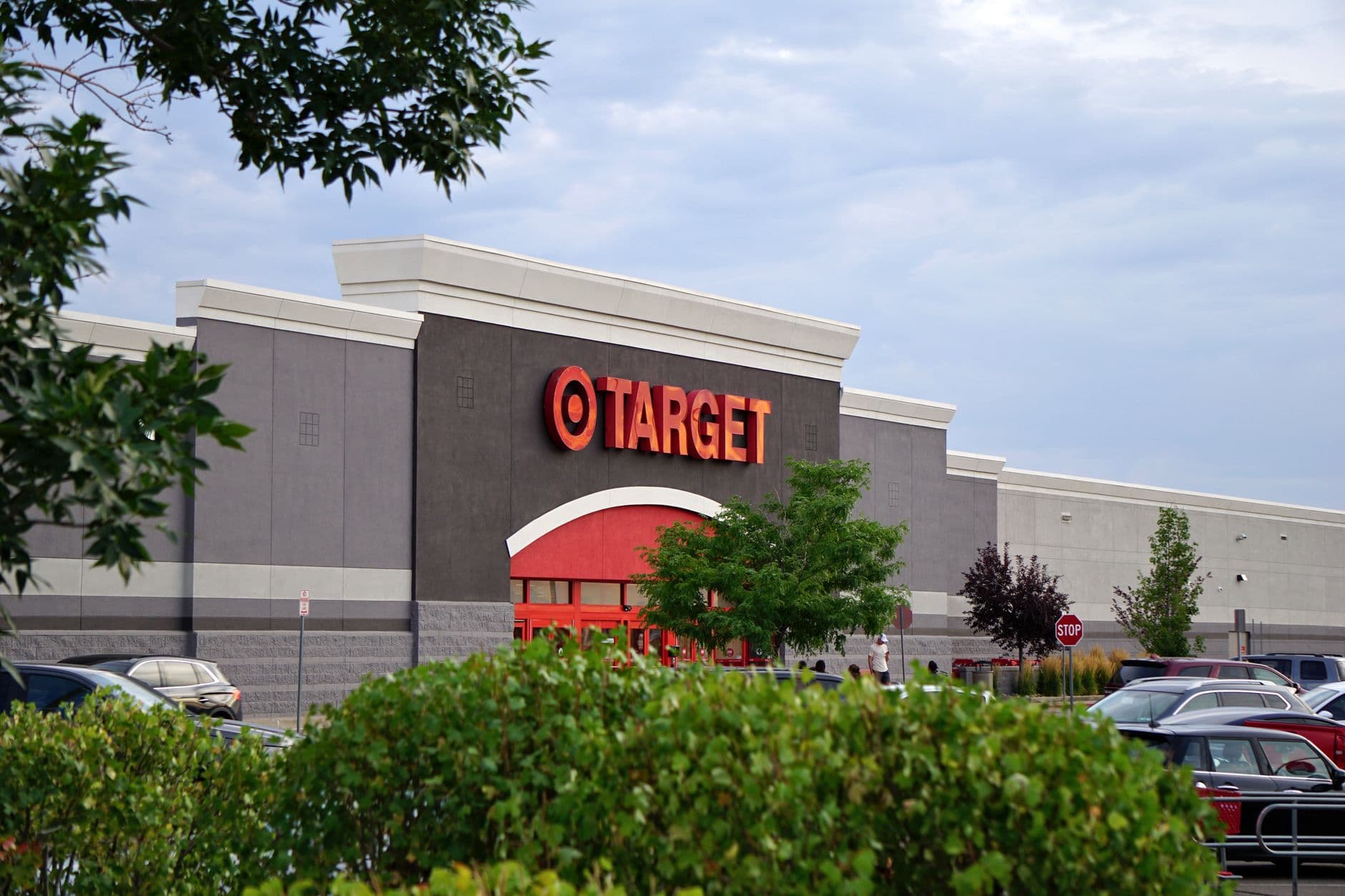
That history still matters because Minnesota is not just where the company started. It is still a major employment base. Target says its headquarters is one of downtown Minneapolis’ largest employers and that more than 14,000 corporate team members are connected to Minnesota headquarters. Ryan Companies says the Northern Campus in Brooklyn Park was built as a 150-acre master-planned campus, with phase one totaling 300,000 square feet, three interconnected buildings, and room for more than 1,100 employees while consolidating two Target offices.
The HQ footprint is also a civic story, which matters in a company that asks workers to care about the brand. Target says that since 1946 it has given 5% of its profits to the communities where guests and team members live, learn, work, and play. In 2024, Target and Target Foundation gave more than $32 million in product and cash donations in the Twin Cities, and team members volunteered more than 74,000 hours. That tells employees the company’s headquarters is not only a decision center, but also a major local employer with a visible community role.
The network is still expanding
The footprint is not frozen. Target opened a $367 million food distribution center in Thornton, Colorado, in 2026. Reported as the company’s largest food facility and its ninth food distribution center, it serves 129 stores across 11 states and is said to speed service to those stores by as much as two days. That is not just a logistics upgrade. It changes how quickly stores can replenish, how much pressure lands on store teams, and how reliably guests see full shelves.
There is a small but telling wrinkle in Target’s own public counts: one page says more than 2,000 stores, while another store-locator page lists more than 1,800. The difference likely reflects timing or counting methods, but the practical reality is the same. Target is still a dense national employer with enough geography to let workers think about transfer, relocation, and internal mobility as real options.
For employees, that is the real story of scale. Target’s footprint is not just about where the company sells. It is about where people can build a career, change roles when life changes, and stay inside a company whose operations stretch from the salesfloor to the distribution center to headquarters and beyond.
This article was produced by Prism’s automated news system from verified source data, official records, and press releases, then run through automated quality and moderation checks before publishing. The system is built and supervised by the people who set the standards it runs under. Read our full AI policy.
Did this article answer your question?