Target’s job pages reveal how store roles power digital fulfillment
Target’s store jobs are really hybrid operations roles, where guest service, merchandising, fulfillment, and staffing all overlap on the same shift.
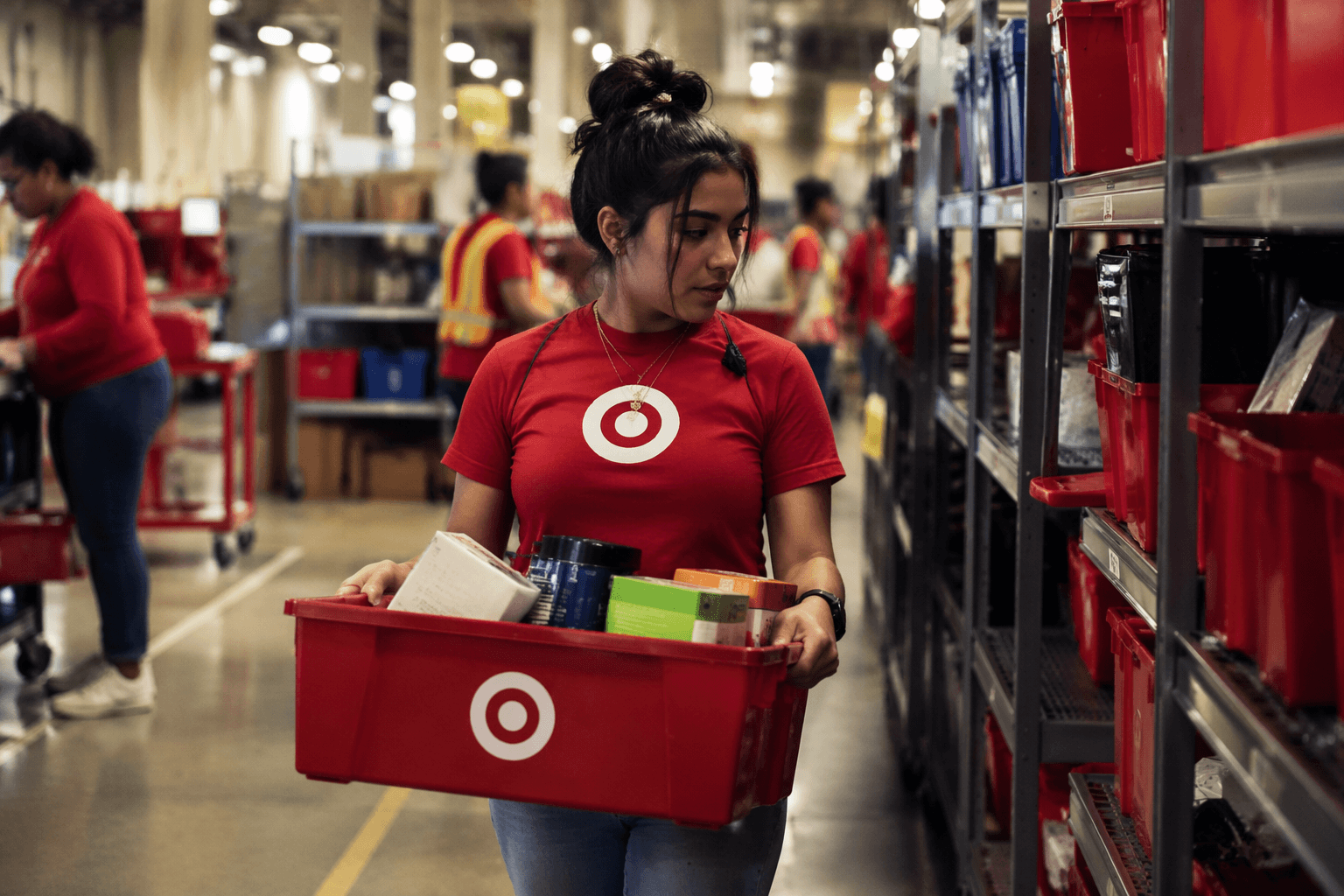
At Target, online Order Pickup orders are typically picked and ready within a couple of hours. A General Merchandise Expert is not just stocking shelves, and a Fulfillment Expert is not just pulling orders. Together, the pages show that a Target store runs as a connected system where guest service, backroom work, digital execution, and people support all depend on one another.
What the title leaves out
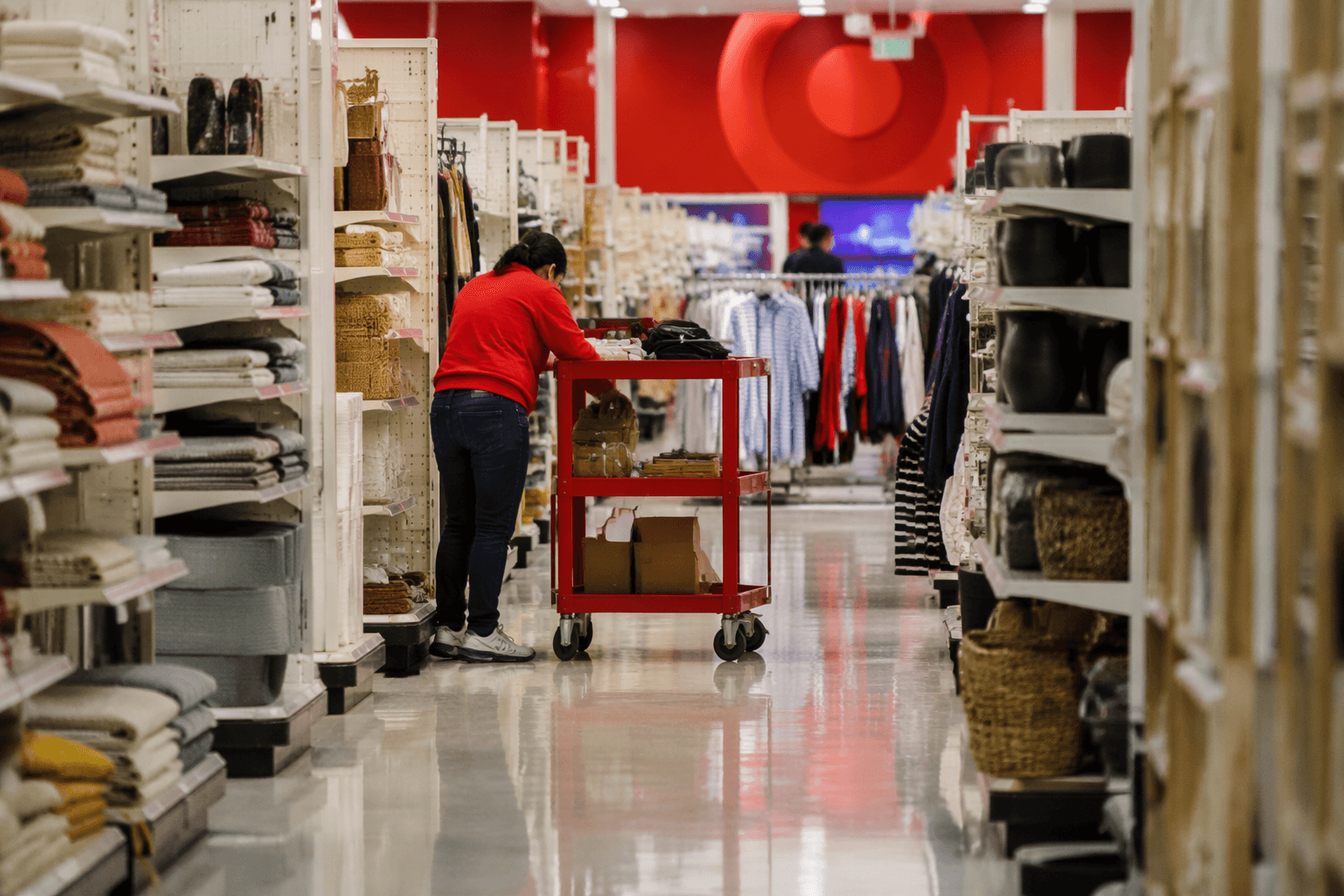
The General Merchandise Expert page makes the daily work sound broad for a reason. The role covers greeting guests, supporting peer teams, receiving products, restocking shelves, organizing the backroom, setting up merchandise, handling pricing and promotional signage, and responding to both business and guest needs. The job can shift from customer-facing work to physical labor to process-driven tasks, often in the same hour.
The person on the floor is not only filling an aisle; they are helping protect the store’s appearance, keeping product available, and making sure the sales floor is ready for the next rush.
Fulfillment is now a store job, not a separate lane
Target’s Fulfillment Expert page ties store labor directly to digital execution. The company no longer treats online orders as something the building handles after the store work is done.
Target says its stores fulfill the majority of digitally originated sales, and the company links that to better product availability, faster fulfillment, lower shipping costs, and same-day options such as Order Pickup, Drive Up, and Same-Day Delivery. The fulfillment role is not a backroom afterthought. It sits at the center of how Target keeps digital promises while keeping the store open and moving.
The pickup side is part of that same system. Every store offers online Order Pickup. For team members, that means the clock starts running as soon as the order lands.
HR is part of the operating model too
The Human Resources Expert page widens the picture again. Store HR work includes anticipating staffing needs across both in-store and digital shopping experiences, along with compliance, safety, and team member support. HR is not sitting outside the store operation. It helps make sure the right people are in the right place when the floor gets busy, online demand spikes, or an issue needs to be handled correctly.
If fulfillment volume rises, HR and store leadership have to think differently about coverage. If guest traffic changes, the store has to rebalance people between service, merchandising, and order flow.
How to prepare for the interview
The best use of these pages is as prep sheets. They tell you what the company is likely to value before you ever walk in.
- Pace and stamina during a full shift
- Attention to detail, especially with pricing, signage, and stocking
- Guest service, since the role is still a front-of-store experience even when the work is physical
A General Merchandise candidate should be ready to talk about:
- Accuracy, because mistakes travel fast in digital orders
- Urgency, because pickup and delivery windows are tight
- Comfort with technology and order flow, since the job depends on digital systems as much as hands-on work
A Fulfillment candidate should be ready to discuss:
- Confidentiality
- Compliance and safety
- Supporting people while also helping the store stay staffed for both sales floor and digital demand
A Human Resources candidate should expect questions about:
What this means for team leads and ETLs
For team leads and executive team leaders, the pages are a reminder that store labor is deeply interlocked. A strong guest experience depends on merchandising accuracy, fulfillment speed, and staffing support at the same time. Pricing, replenishment, backroom organization, and guest help are no longer separate buckets to manage in isolation. They are all part of the same guest-first model across Target’s store-careers pages.
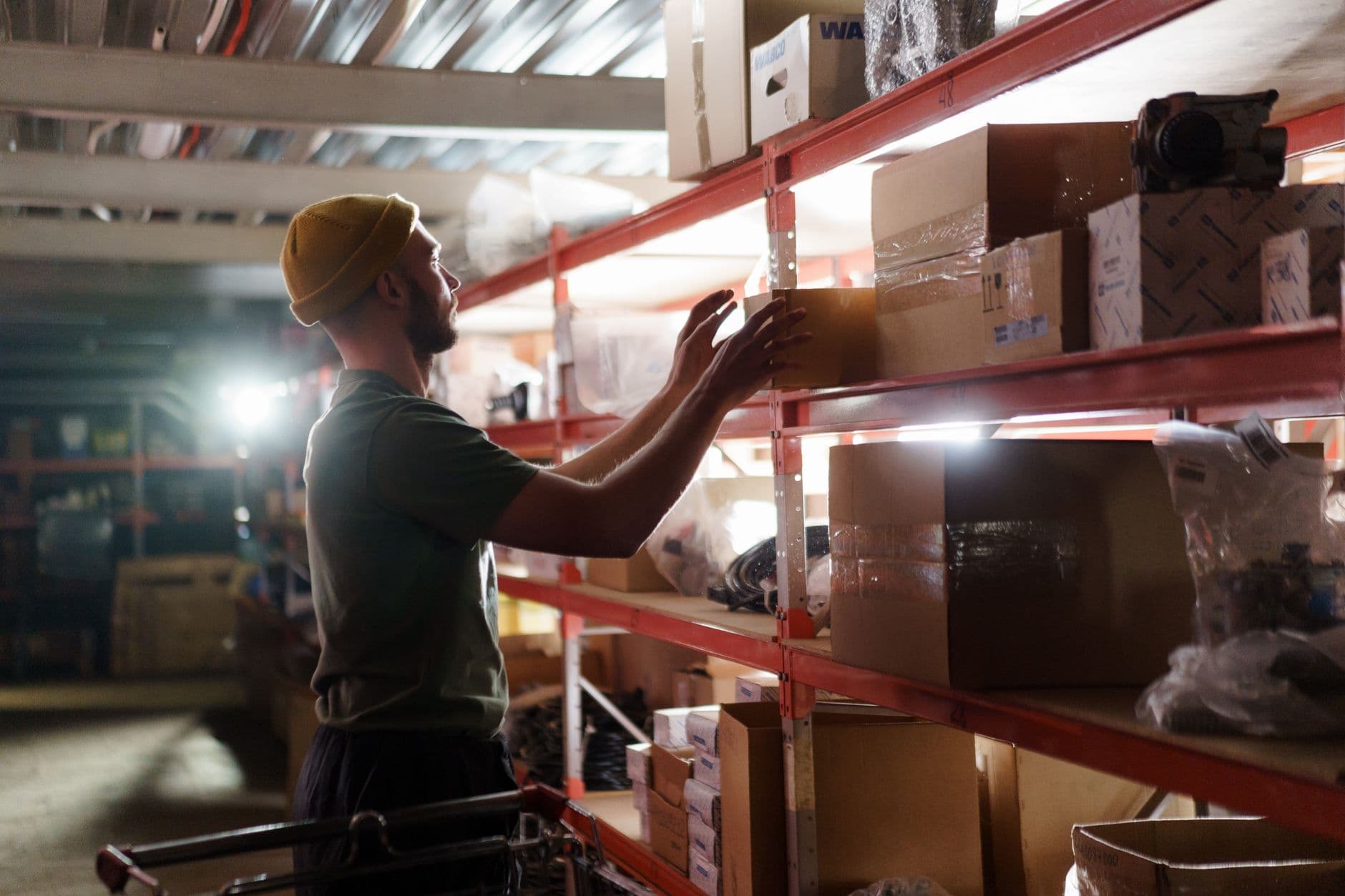
Workload conversations get complicated quickly in stores. If an endcap is not set, the floor looks unfinished. If the backroom is not organized, replenishment slows. If fulfillment falls behind, digital promises slip. The role pages make that connection explicit, which gives leaders a clearer way to explain why one missed task can ripple across the whole store.
Target frames the stores team as the group that creates a joyful in-store experience for every guest. The HR career area extends that idea across the building by accounting for both in-store and digital shopping experiences.
The real career signal
These are broad, physical, service-heavy jobs, but they are also skill-building roles. They teach inventory discipline, guest communication, safety, process execution, and how to keep a business moving when the work changes by the hour.
Target’s 2025 annual report outlines more than $2 billion in incremental investments across the business, including more than a $1 billion increase in capital expenditures and another $1 billion in operating investments. The report also says the company’s strategy blends physical, digital, and social commerce experiences, with a goal of more than $15 billion in sales growth by 2030.
This article was produced by Prism’s automated news system from verified source data, official records, and press releases, then run through automated quality and moderation checks before publishing. The system is built and supervised by the people who set the standards it runs under. Read our full AI policy.
Did this article answer your question?