Target’s labor pool reflects rising role of foreign-born workers
Foreign-born workers made up 19.1% of the U.S. labor force in 2025, a reminder that Target’s stores and fulfillment sites draw from a diverse labor pool.

Target managers on the floor are staffing into a labor market where foreign-born workers accounted for 19.1 percent of the U.S. civilian labor force in 2025, and where their unemployment rate held at 4.2 percent even as the native-born jobless rate rose to 4.3 percent. That matters in retail because the numbers point to a workforce that is not only large, but also strongly represented in the very jobs Target depends on every day.
The U.S. Bureau of Labor Statistics said foreign-born workers were more concentrated than native-born workers in service occupations, 21.2 percent versus 15.6 percent, and in production, transportation and material moving roles, 15.1 percent versus 11.4 percent. Those are the job families that keep Target stores open, freight moving and fulfillment humming, from guest services and front-end support to backroom sorting and distribution center work. Hispanic or Latino workers made up 47.3 percent of the foreign-born labor force, while Asian workers made up 25.9 percent, a mix that underscores how much multilingual communication can shape daily operations.
The BLS also said the October 2025 Current Population Survey was not collected because of the federal government shutdown, so the 2025 annual estimates are 11-month averages rather than clean year-over-year comparisons. Even with that caveat, the broad message is clear for retailers: the local labor pools Target hires from are likely more diverse than national talking points suggest, and that affects who gets onboarded, who stays, and who moves up.
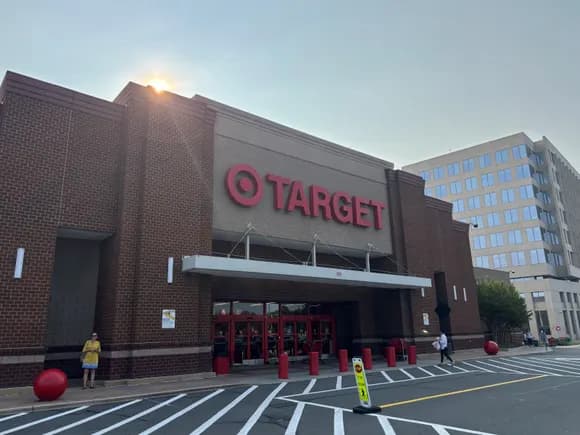
Target’s own footprint makes that even more concrete. As of February 1, 2025, the company said it employed about 440,000 full-time, part-time and seasonal team members. It also said its U.S. hourly team members in stores and supply chain facilities start at $15 to $24 an hour. With 23 new stores opened in 2024 and about 20 more planned in 2025, plus a first-party digital business that reached $20 billion and kept growing in same-day services like Drive Up and same-day delivery, the company is relying on a huge frontline workforce to deliver the brand experience customers expect.
That is where the labor-pool data becomes a workplace issue, not just an economic one. Target says it recruits and retains team members who represent the communities it serves, and it has framed belonging as part of its culture. In practice, that puts the burden on managers to make schedules readable, training clear, and pay and advancement paths easy to understand. CNBC reported in February 2026 that Target planned to invest more in store labor while cutting about 500 roles at distribution centers and regional offices, a shift that makes the quality of frontline staffing even more central. The company’s more than $2 billion in planned incremental investments suggest it understands the same thing: the store experience rises or falls with how well Target connects to the workers actually available in each market.
This article was produced by Prism’s automated news system from verified source data, official records, and press releases, then run through automated quality and moderation checks before publishing. The system is built and supervised by the people who set the standards it runs under. Read our full AI policy.
Did this article answer your question?