Target’s small format team leader role demands versatile store leadership
Target’s small-format team leader works in a tighter footprint, where stocking, pricing, guest flow and staffing all land on one leader. It is a strong proving ground for future ETL and store director roles.

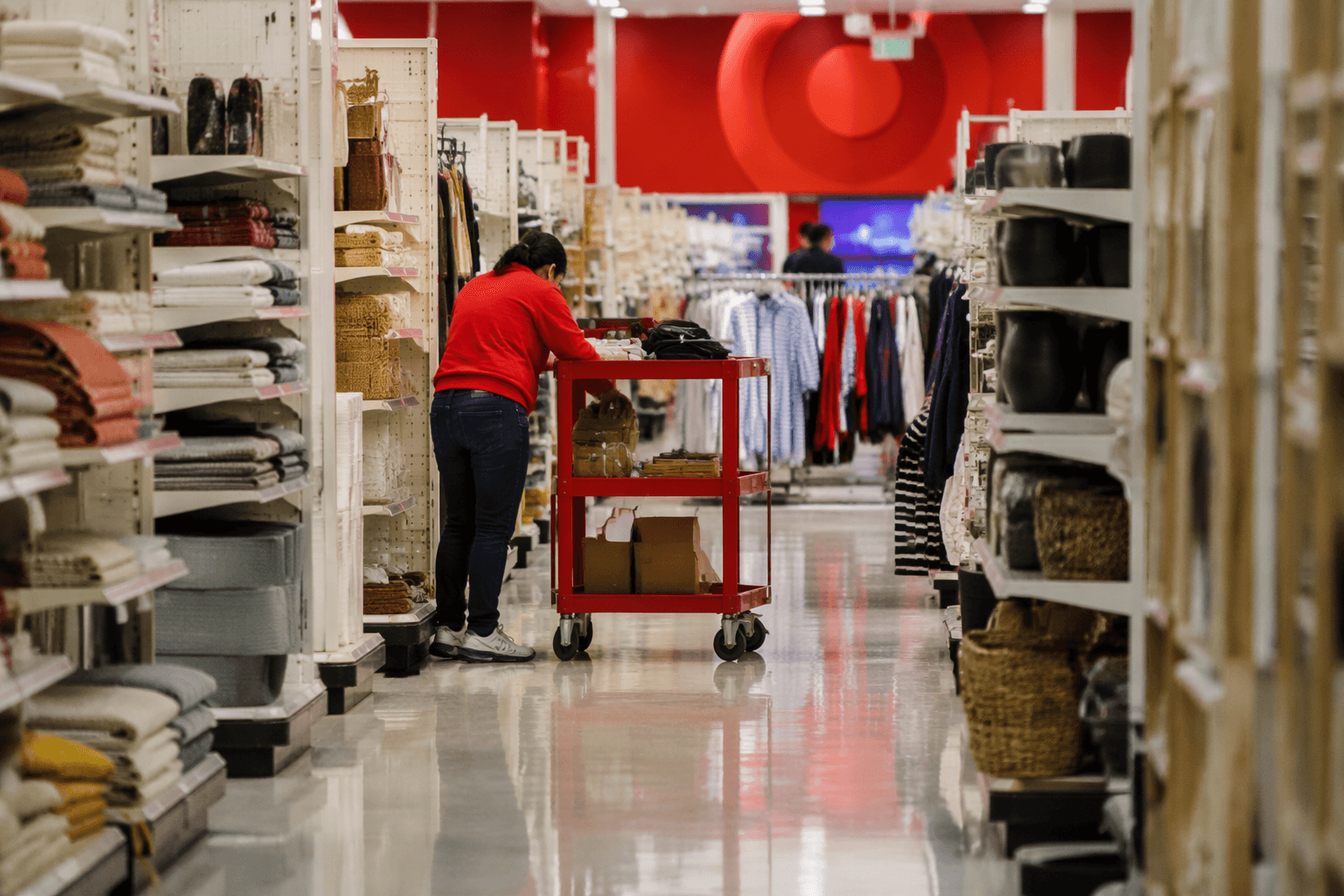
Target had 147 small-format stores in Q2 2025, up from one in fiscal 2014 and part of a 1,982-store chain. The company defines small-format locations as 49,999 square feet or less. In that setting, the team leader has to keep products in stock, priced, signed and moving on the sales floor while also coaching a team that needs to handle cashiering, stocking, presentation and price accuracy.
What the small-format team leader role actually demands
The core expectation is plain: the leader is there to make sure products are in stock, available, accurately priced and signed on the sales floor. That sounds straightforward until you put it inside a compact building, where every endcap, aisle and backroom decision affects the whole guest experience. The smaller the store, the more the leader has to read the floor in real time and decide what needs attention first.
The team itself also has to be broader in its skills. Small-format team members are expected to be proficient in cashiering, stocking, presentation and price accuracy, which means the leader cannot rely on a highly segmented chain of specialists to solve every problem. In practice, that pushes the role toward constant triage, with the leader moving between coaching, problem-solving and hands-on execution instead of spending most of the day one level above the work.
That kind of environment changes how leadership feels on the floor. A team leader in a compact store is less likely to manage from a distance and more likely to see the full picture, from guest traffic and daily priorities to scheduling, stock flow, safety and how the building feels at different times of day.
How it compares with a standard Target store team leader
The broader leadership job should inspire, lead and challenge large, dynamic teams and business leaders to grow and thrive while creating a store environment that delivers a joyful guest experience. That language fits a standard store model, where there is usually more room to distribute work across larger teams and more layers of responsibility. The small-format role still carries the same guest-first expectations, but it compresses the leadership challenge into a more crowded, less forgiving space.
What transfers cleanly from a standard store team leader role is the ability to coach, prioritize and keep the operation steady when the pace picks up. What gets harder is the amount of cross-training and active decision-making required during the shift. In a smaller footprint, there is less room for siloed work, so the leader has to know when to jump onto the sales floor, when to correct presentation, when to help with cashiering and when to shift attention to inventory or pricing issues.
That is why the role rewards leaders who can switch quickly between people management and execution. Someone who is good at delegating in a large-format store may still struggle if they cannot stay close enough to the work to solve problems quickly.
Why Target keeps building this format
Target had just one store in the 49,999-square-foot-or-less category in fiscal 2014, then 9 in 2015, 22 in 2016, 48 in 2017, 71 in 2018, 91 in 2019, 115 in 2020, 136 in 2021, 147 in 2022, 141 in 2023, 146 in 2024 and 147 in Q2 2025. That expansion sits alongside Target’s total store count, which rose from 1,790 in fiscal 2014 to 1,982 in Q2 2025.
Target designed these stores for places like Manhattan and near college campuses. The format is built around specific neighborhoods and shopping patterns, not just store size. The company also rebranded 14 CityTarget and TargetExpress stores under the Target name in 2015 to reduce customer confusion. Later openings and reintroductions in places such as New York and Spring Valley, San Diego were part of the company’s long-term urban and neighborhood strategy.
The format often serves a different kind of guest rhythm. A campus-area store, a Manhattan store or a neighborhood location can see sharp spikes in traffic, different basket sizes and faster turnover in certain categories. The leader has to adapt the floor to those patterns while still holding the basics Target cares about most: in-stock product, clean presentation, accurate pricing and a guest experience that feels consistent with the brand.
What the role can do for your career inside Target
For Target team members looking at the next step, small-format leadership is a useful test of whether you can run a store without leaning on size as a cushion. It is a strong fit for people who are comfortable with variety, quick prioritization and local execution. It also teaches the kind of judgment that becomes valuable in ETL or store director tracks, where the job gets bigger but the need to see the whole operation never goes away.
The best small-format leaders are usually the ones who can keep standards high while the pace keeps changing. They know when a pricing issue is a quick fix, when a stock problem needs immediate escalation and when the team needs coaching more than correction.
This article was produced by Prism’s automated news system from verified source data, official records, and press releases, then run through automated quality and moderation checks before publishing. The system is built and supervised by the people who set the standards it runs under. Read our full AI policy.
Did this article answer your question?