Teamsters say NLRB orders Amazon to bargain at San Francisco facility
Amazon was ordered to bargain with San Francisco workers hours before Prime Day began, sharpening peak-season labor pressure. Target teams should watch the ripple effects.
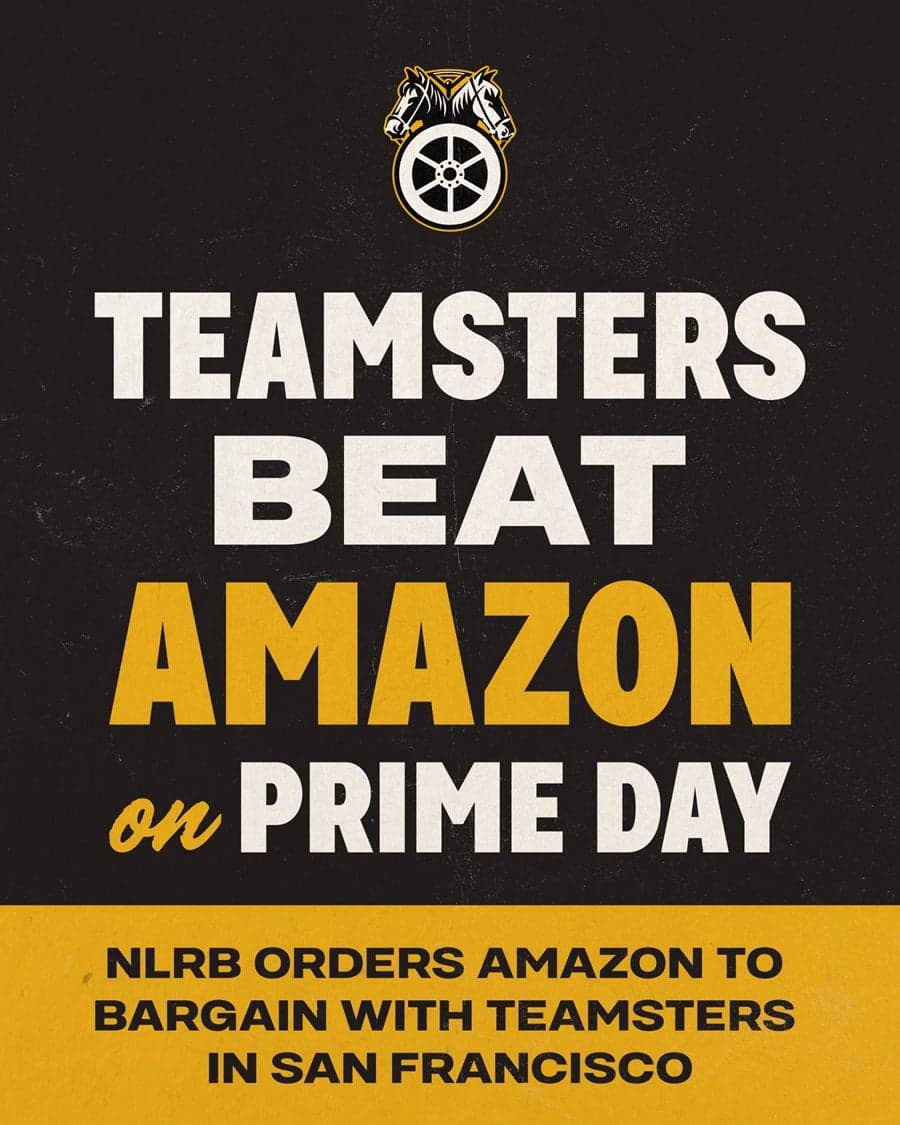
Amazon was ordered to bargain with workers at its DCK6 facility in San Francisco just hours before Prime Day began, the Teamsters said on June 23. The union said it was Amazon’s second bargaining order in less than three months, a rare double hit that puts labor pressure directly on top of one of the company’s biggest selling periods.
The Teamsters said Amazon had repeatedly tried to delay or avoid bargaining and said the National Labor Relations Board’s latest ruling showed the company could not keep dodging its obligations to organized workers. The union’s Amazon Division Director Randy Korgan said the union would push Amazon to comply. In April 2026, the NLRB ordered Amazon to begin negotiations with the Staten Island-based unit at JFK8, which the Teamsters called the first bargaining order in Teamsters history. The union also said Amazon must post notice of the ruling at the warehouse.
The NLRB is the federal agency that enforces private-sector workers’ rights to organize and bargain collectively under the National Labor Relations Act. That makes the Amazon orders more than a headline for one company. They are a reminder that labor fights can move in step with peak commercial moments, when a retailer or fulfillment network is under the most strain and leaders have the least room for disruption.

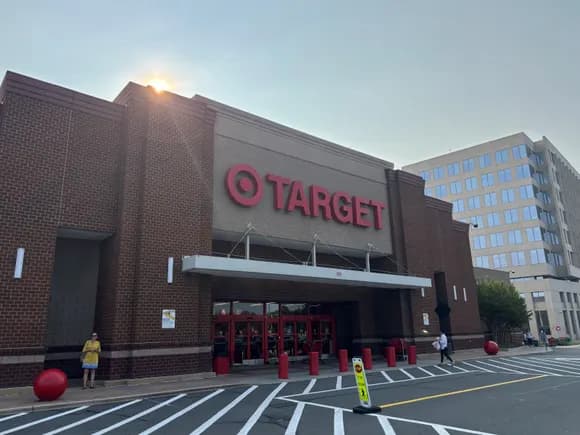
For Target, that pressure point is familiar. Target’s 2025 annual report says its stores fulfill the majority of digitally originated sales and support same-day options such as Order Pickup, Drive Up and Same-Day Delivery. The company said nearly two-thirds of digital sales were fulfilled through same-day options, which puts stores, front-end teams and supply-chain crews at the center of every big traffic surge.
Target also said in February 2026 that it would invest more in store labor while cutting about 500 other roles at distribution centers and regional offices. That combination is the kind of staffing tradeoff team members notice fast: more labor in stores can mean more pressure to absorb volume, tighter execution and closer scrutiny of how leaders deploy people when demand spikes.
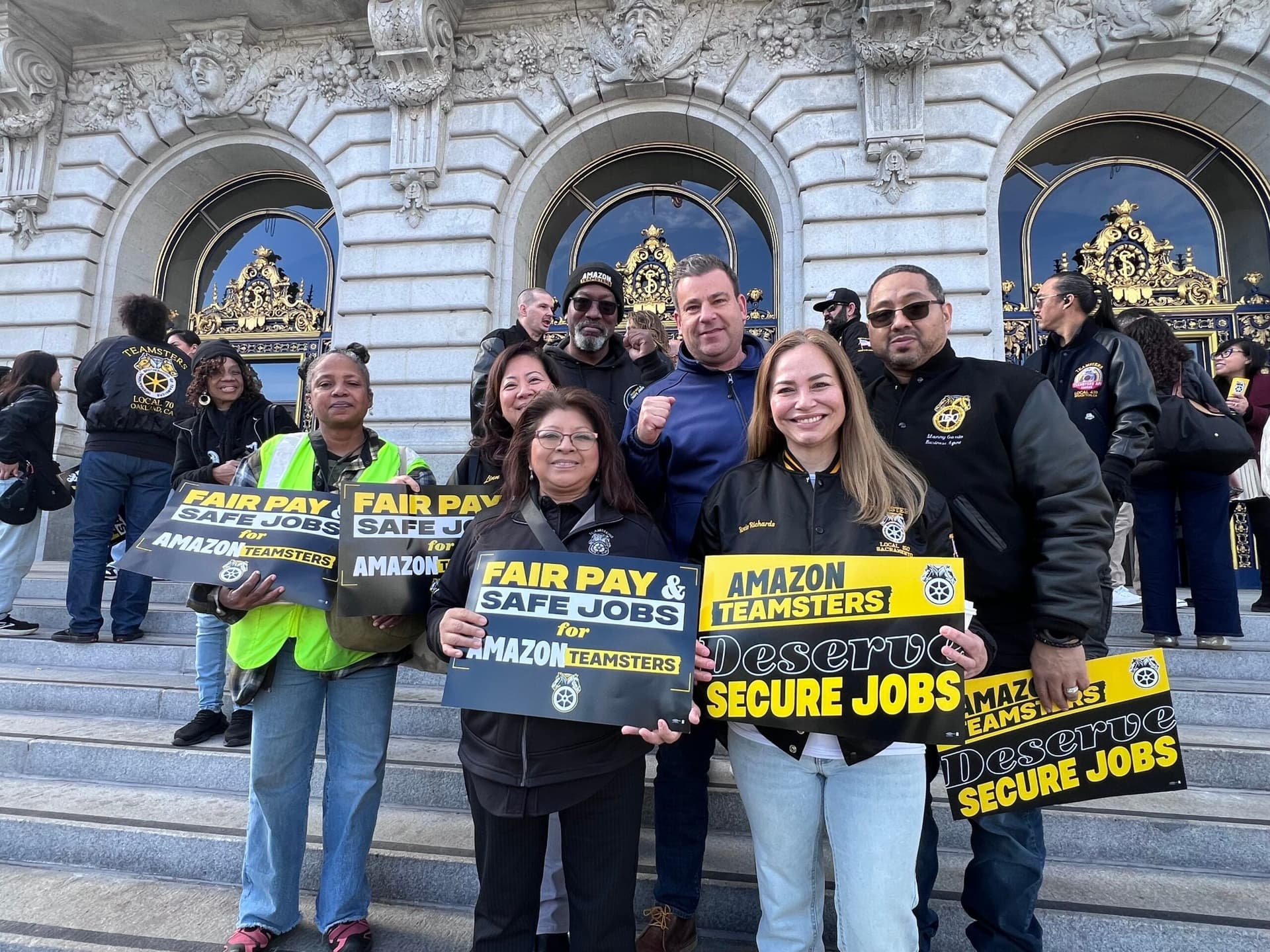
The Amazon ruling is a warning signal for big-box retail, where promotional calendars, fulfillment promises and labor relations can collide in the same week. For Target managers, the practical questions are already clear: how staffing flexes during the busiest selling periods, how honestly leaders explain changes, and how quickly they respond when labor rules outside the company start tightening the playbook.
This article was produced by Prism’s automated news system from verified source data, official records, and press releases, then run through automated quality and moderation checks before publishing. The system is built and supervised by the people who set the standards it runs under. Read our full AI policy.
Did this article answer your question?