US retail sales rise in May, signaling stronger demand for Target teams
May retail sales rose 0.9% as digital demand stayed strong, shifting more pressure onto Target fulfillment, pickup and front-end teams.
U.S. consumers kept spending in May, but the bigger story for Target teams is where that spending is landing: more of it is flowing through pickup, delivery and other nonstore channels that keep store labor under strain even when sales look healthy. The U.S. Census Bureau said advance estimates for retail and food services reached $763.7 billion in May 2026, up 0.9% from April and 6.9% from a year earlier.
For Target, that kind of mix matters more than the headline number. Retail trade sales rose 1.0% month over month, while nonstore retailers were up 12.2% from a year earlier. Over the March-through-May period, sales were up 5.3% from the same stretch in 2025, which suggests demand has not just held up for one month but stayed resilient through the spring. The practical effect inside a Target store is that more traffic can translate into tighter inventory checks, faster guest handoffs and less room for error at the exact moment guests expect speed.
Target has already built its operating model around that shift. In its first-quarter 2026 results, the company said digital comparable sales grew 8.9%, led by more than 27% growth in same-day delivery powered by Target Circle 360. Non-merchandise sales grew nearly 25%, too, reflecting growth in Roundel advertising revenue, Target Circle 360 membership revenue and the Target+ marketplace. Target also says its stores fulfill the majority of digitally originated sales, which means the sales floor, fulfillment team and front-end workers are all tied into the same demand engine.
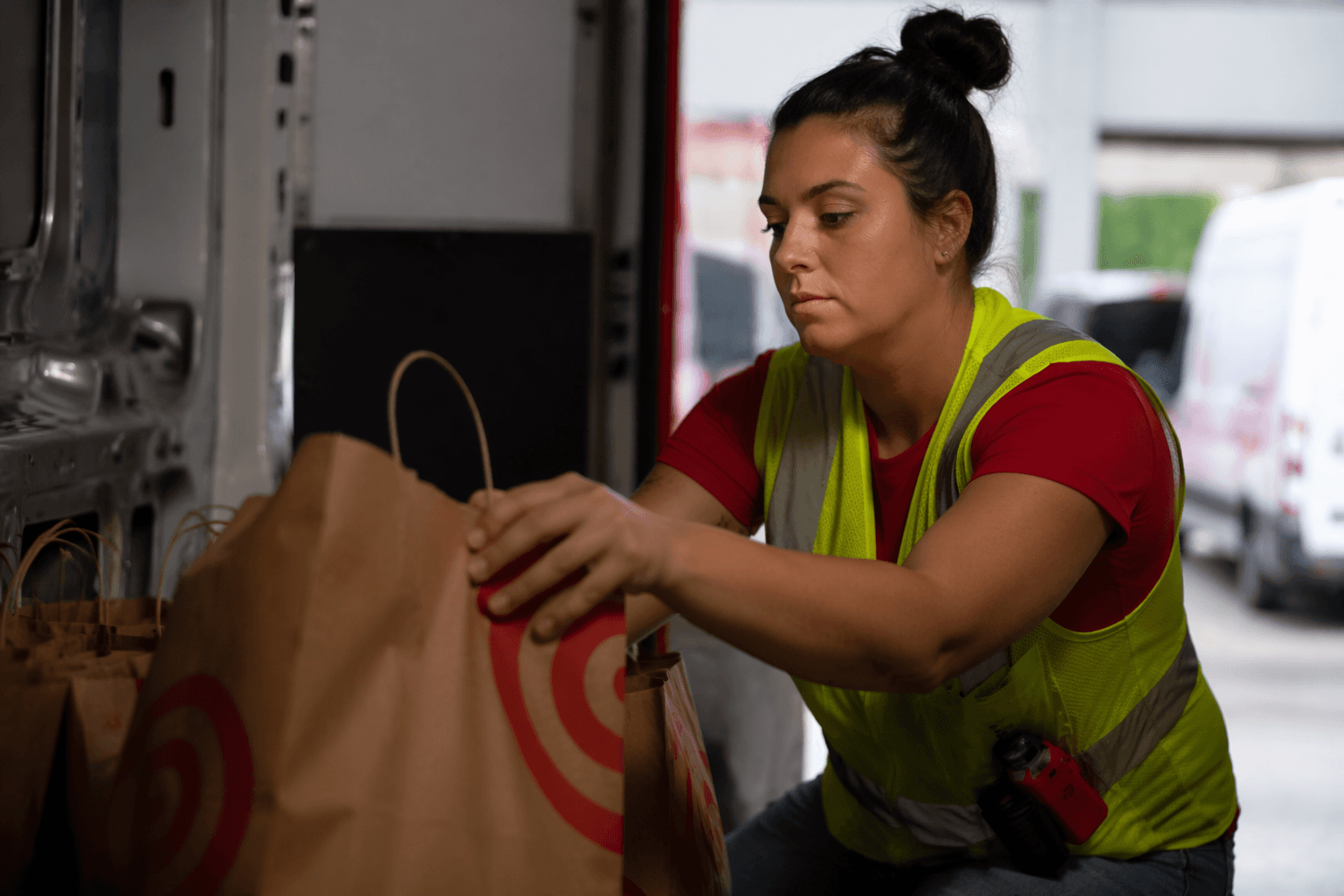
That creates a different kind of pressure on the workday. A stronger sales backdrop can help traffic and morale, but it also raises expectations for in-stock accuracy, pickup flow, clear pricing and fast service. When guests are buying across channels, the workload does not stay in one department. It spills across fulfillment, guest services, the sales floor and inventory management, and the pressure rises when digital demand moves faster than the store can stage, sort and hand off orders.
The stakes are even higher as Michael Fiddelke takes over as chief executive officer, effective Feb. 1, 2026, with Brian Cornell moving to executive chair. Target has said 2026 will bring more visible change in what it sells and how it sells it, and its strategy includes more than $2 billion in incremental investments, with more than $1 billion in capital expenditures and $1 billion in operating investments. With 2025 merchandise sales at $102.717 billion, the company is betting that stronger execution in stores and online will matter more than ever.
This article was produced by Prism’s automated news system from verified source data, official records, and press releases, then run through automated quality and moderation checks before publishing. The system is built and supervised by the people who set the standards it runs under. Read our full AI policy.
Did this article answer your question?