USTR opens Vietnam IP probe, raising trade risks for Target sourcing
A U.S. IP probe into Vietnam could slow key sourcing lanes for apparel, footwear, home goods and toys, with comments due July 2.
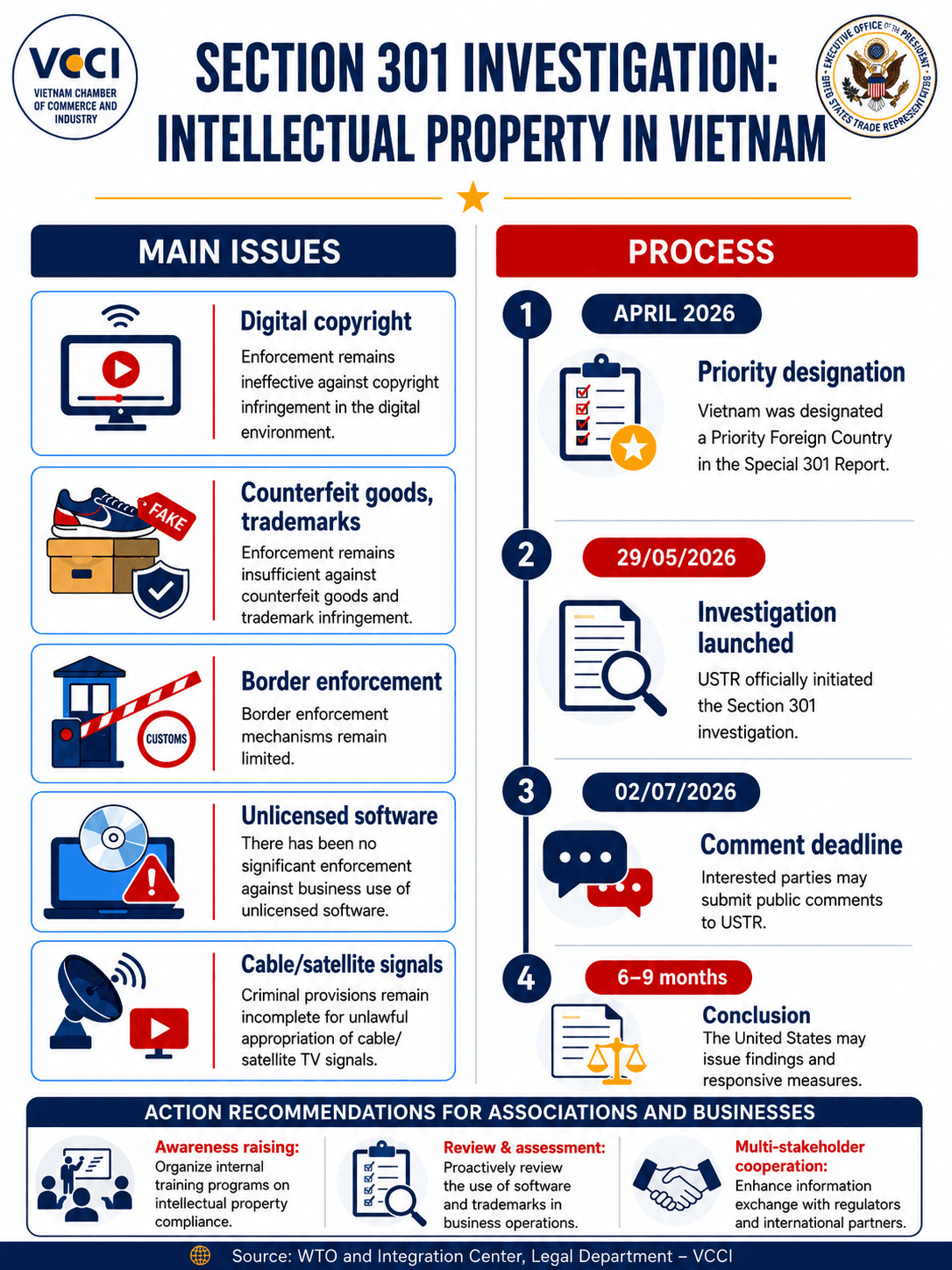
U.S. trade officials have put Vietnam’s intellectual property practices under formal scrutiny, and for Target’s merchants and sourcing teams the first risk may be delay, not duty. The investigation can pull vendor files, licensing records and product provenance into sharper focus long before any tariff or other trade action lands, raising the odds of holds, rework and assortment disruptions on items tied to Vietnam.
The Office of the United States Trade Representative opened the Section 301 probe on May 29 after naming Vietnam a Priority Foreign Country in the 2026 Special 301 Report. USTR said it will examine whether Vietnam’s acts, policies and practices on intellectual property protection and enforcement are unreasonable or discriminatory and burden or restrict U.S. commerce. The Federal Register notice set July 2, 2026, at 11:59 p.m. EDT as the deadline for written comments, and said USTR first approached Vietnam in 2020 with a proposed IP Work Plan that received only minimal engagement.

For retail teams, the category mix matters. Vietnam is a major sourcing country for apparel, footwear, leather and travel goods, home goods and toys, which means a wider set of Target shelves could feel the impact if compliance checks tighten. Official trade data shows U.S. goods imports from Vietnam totaled $193.8 billion in 2025, while the U.S. goods trade deficit with Vietnam reached $178.2 billion.
Apparel is the clearest pressure point. OTEXA data cited in trade reporting showed Vietnam was the largest supplier of apparel products to the U.S. in the first seven months of 2025, ahead of China, with about $9.5 billion in apparel imports from Vietnam from January through July. That makes Vietnam a central node for brands and private-label programs that depend on short lead times and clean documentation.
The practical risk for Target is that a deeper IP review can ripple from corporate sourcing desks to stores. Merchants may have to verify vendor authorization, factory relationships, artwork rights and component provenance more closely. If a shipment is flagged at port or a brand approval stalls, the result can be slower resets, delayed sets and missing product on shelves even when the merchandise itself is already in motion.
The broader trade backdrop keeps the stakes high. USTR has already warned that Vietnam’s IP enforcement is a persistent concern, and the probe gives Washington a formal path to responsive trade measures if the case moves forward. For Target and other mass retailers with heavy exposure to Vietnam, that makes the next few weeks a period for extra scrutiny across apparel, footwear, home and seasonal assortments.
This article was produced by Prism’s automated news system from verified source data, official records, and press releases, then run through automated quality and moderation checks before publishing. The system is built and supervised by the people who set the standards it runs under. Read our full AI policy.
Did this article answer your question?