Verizon cuts stores and corporate jobs, reinforcing retail efficiency pressure
Verizon is selling 274 stores and cutting about 500 corporate jobs, leaving about 1,000 company-owned locations. Target workers should watch what that says about leaner retail.

Verizon said it will sell 274 company-owned retail locations and cut about 500 corporate jobs, a restructuring that will affect about 3,000 retail and corporate employees in all. For Target team members, the sharper signal is not the telecom headline but the operating model behind it: physical stores are being judged on whether they still justify the labor, support, and overhead attached to them.
After the divestiture, Verizon will keep roughly 1,000 corporate-owned stores, with the move taking effect Aug. 16. The company is not closing those locations outright; the sold stores are expected to continue operating under independent, franchise-style ownership. That distinction matters in retail, because it shows how large chains are trying to keep a footprint while pushing more responsibility onto local operators and slimmer corporate teams.

The timing also points to a broader cost discipline rather than a one-time cleanup. Verizon’s second-quarter results are scheduled for July 24, giving investors a near-term chance to hear how management frames the cuts. The company made a far larger reduction last year, eliminating 13,000 jobs, which makes this latest move part of a longer pattern of simplification and efficiency pressure. For Target, that kind of history is a reminder that corporate layers are often first to be scrutinized when margins tighten and executives want faster decisions closer to the guest.
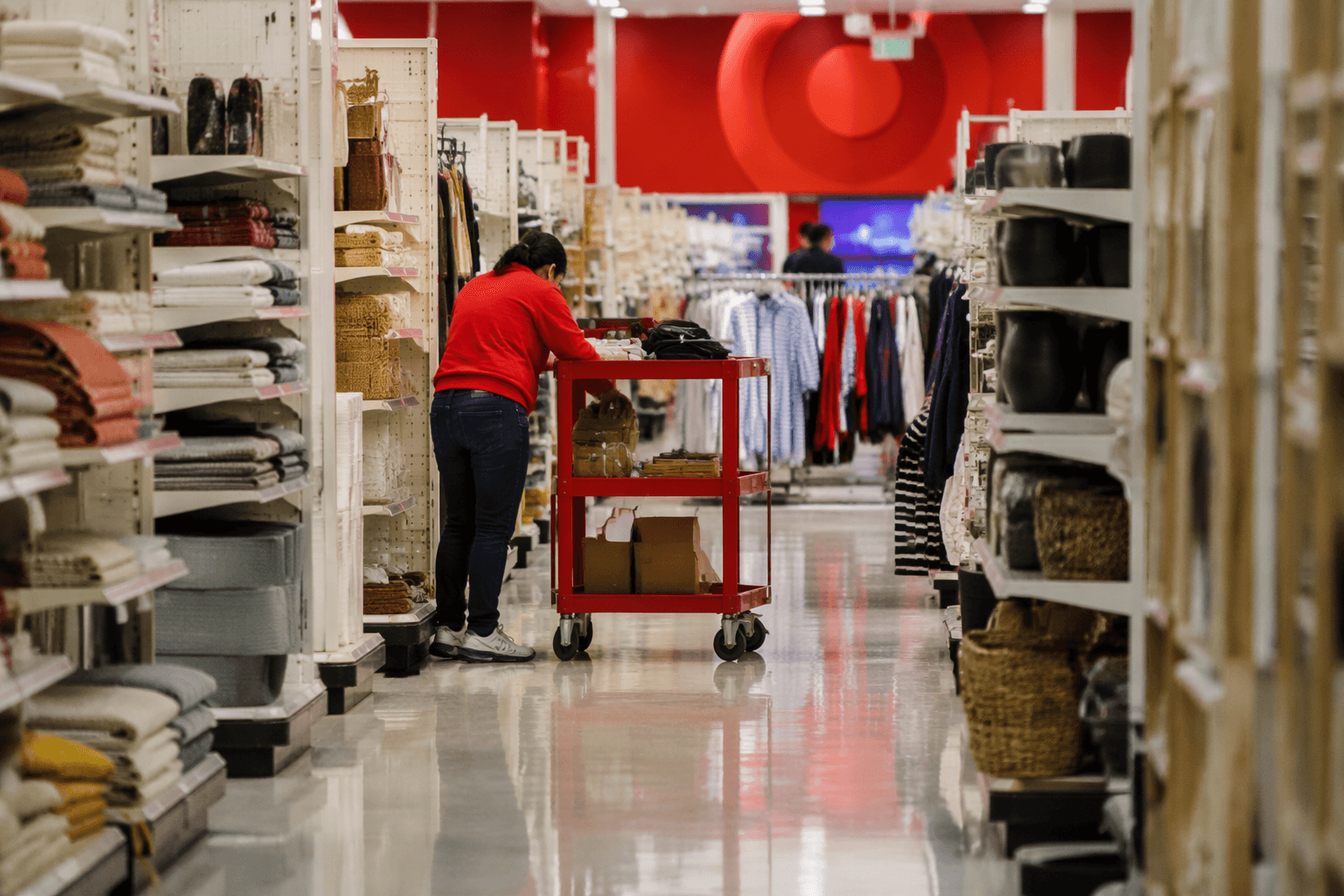
The work most likely to grow more central in that environment is the work Target already leans on in stores: cross-training, inventory accuracy, digital order flow, and leaders who can solve problems without waiting for multiple approvals. When a company trims its physical footprint but still wants the stores to perform, the value shifts toward employees who can flex across tasks and keep service steady with fewer handoffs. That is why these restructurings tend to raise the profile of store operations leaders, fulfillment coordinators, and teams that can connect in-store execution with online demand.
Verizon’s move is a retail efficiency test case, not a direct comparison to Target. But it shows how quickly a large consumer business can decide that ownership, headcount, and store count all need to shrink at the same time, while the remaining locations are asked to do more with less.
This article was produced by Prism’s automated news system from verified source data, official records, and press releases, then run through automated quality and moderation checks before publishing. The system is built and supervised by the people who set the standards it runs under. Read our full AI policy.
Did this article answer your question?