Walmart boosts stores, e-commerce and AI, raising bar for Target
Walmart’s $150.4 billion e-commerce engine is turning Target’s stores into a faster, tighter race on fulfillment, inventory accuracy and front-end speed.
Walmart’s latest numbers point to a simple message for Target’s store floors: customers are getting used to faster pickup, cleaner delivery and fewer mistakes, and that raises the stakes for every order pulled from the backroom, every item scanned at the lane and every substitution handled at the door.
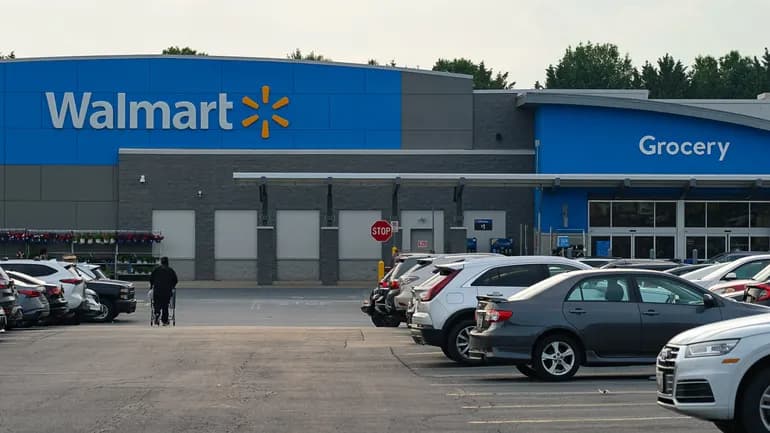
Walmart said in its April 23 annual report that artificial intelligence is “fundamentally reshaping” how customers shop and how associates work. The Bentonville retailer also said it was “at a pivotal moment,” as it posted 4.7% revenue growth, 1.6% operating income growth and $150.4 billion in e-commerce sales for fiscal 2026. Global e-commerce rose 24% in the year, and Walmart U.S. e-commerce contributed 4.3% to comparable sales, up from 2.9% a year earlier. The company also set aside about $1.4 billion for new stores and clubs in the United States and reported $42 billion in membership fee revenue.
For Target team members, the competition is not abstract. Walmart’s push makes the daily work at Target more demanding in the places guests notice most: Order Pickup, Drive Up, same-day delivery and the front end. A late pick, a missing item or a mislabeled location in the backroom now competes with a shopper who expects near-instant service from every national chain. That puts more pressure on fulfillment accuracy, inventory discipline and the speed of the teams clearing the lanes and handing off orders.
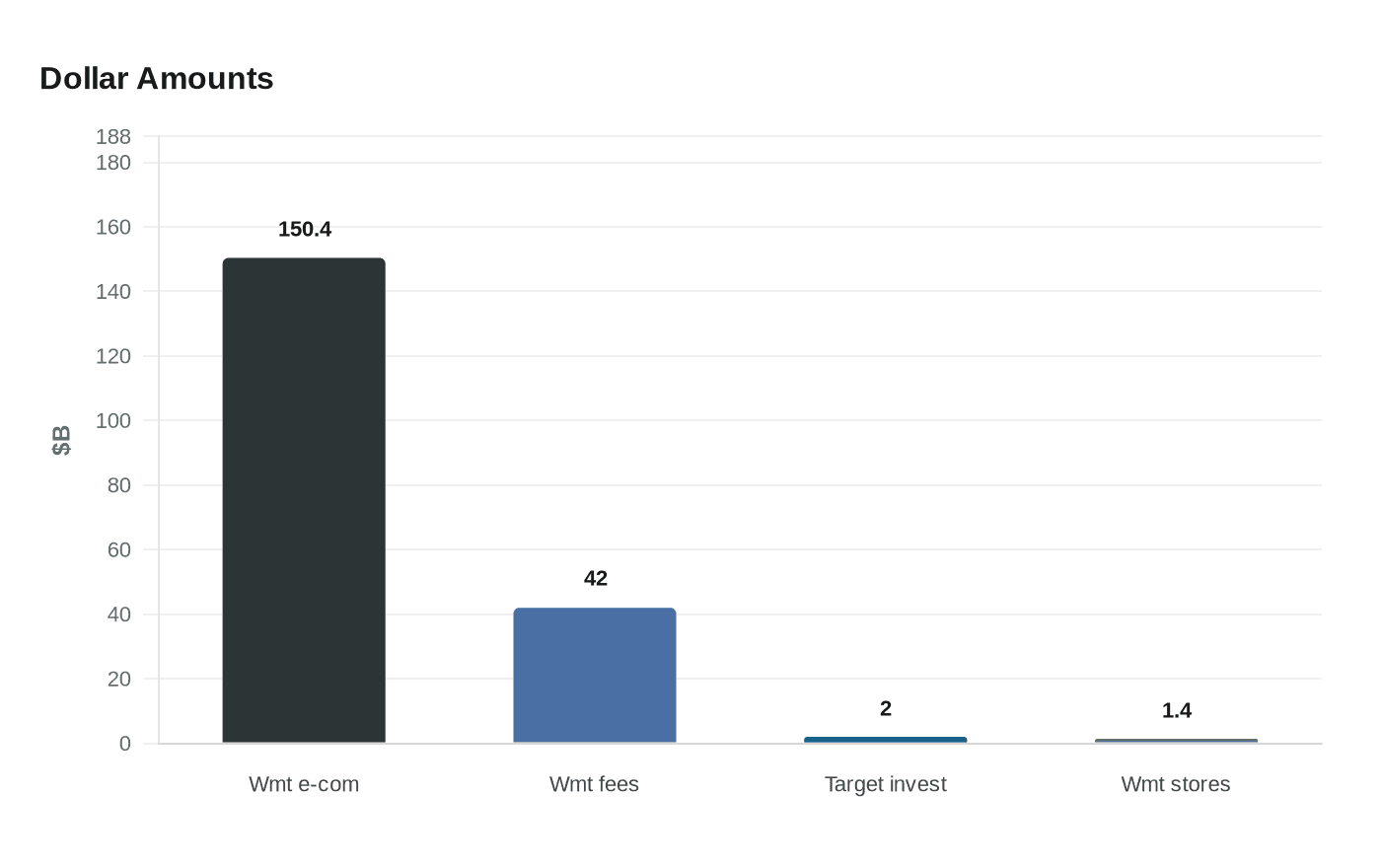
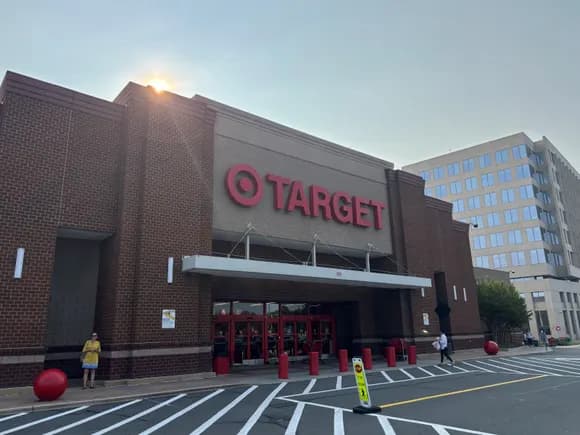
Target has already framed 2026 as a year of bigger operational change. On March 3, the Minneapolis company said it planned an incremental $2 billion in investment this year, including more than $1 billion in added capital spending and $1 billion in additional operating investment. Target said that money would go toward more payroll, more training, store refreshes and faster technology, including AI. In the same earnings update, Target said non-merchandise sales grew more than 25%, same-day delivery powered by Target Circle 360 grew more than 30%, and full-year net sales were expected to grow around 2%.
That matters because Target has said its stores fulfill the majority of digitally originated sales. In practice, that means the store is not just where guests shop, it is the engine behind the digital promise. If Walmart is using stores, e-commerce and AI to tighten its own operation, Target has to do the same while keeping service intact and labor efficient. Target’s 2025 annual report said guests would see and feel more change in 2026 than they had in a decade, and the company is now asking teams to absorb that change on the floor, in the backroom and across the fulfillment chain.
This article was produced by Prism’s automated news system from verified source data, official records, and press releases, then run through automated quality and moderation checks before publishing. The system is built and supervised by the people who set the standards it runs under. Read our full AI policy.
Did this article answer your question?