Walmart price warning signals tougher value pressure for Target teams
Walmart's fuel warning points to the next pressure test for Target stores: more price questions, tighter baskets and faster trading down on essentials.
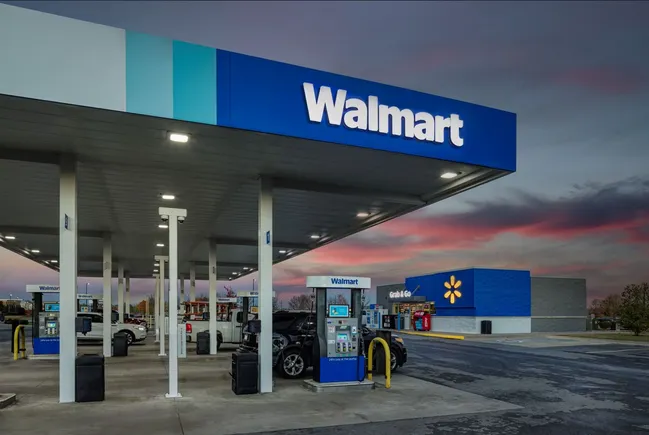
Walmart’s warning about fuel costs landed as a clear signal for Target teams: when a mass merchant with $177.8 billion in quarterly revenue starts talking about higher prices, guests usually become less forgiving at the shelf. Walmart said U.S. comparable sales excluding fuel rose 4.1% in the latest quarter, but chief financial officer John David Rainey also warned that if fuel stays elevated, prices could rise in the second quarter and the second half of the year. One report said Walmart absorbed about $175 million in fuel-related costs during the quarter, and another said prices rose about 1.2% last quarter.
For Target, the first effect is likely to show up on the floor, not in a press release. Shoppers who already feel squeezed by fuel and food are likely to compare baskets more aggressively, ask more questions about why one item costs more than it did last week and delay purchases that do not feel essential. That usually shows up first in the categories that sit closest to daily household budgets, including food and beverages, baby essentials, home items and value apparel, where Target has already been leaning into price cuts. The pressure is not just on guests. It lands on store teams trying to explain shelf tags, handle substitutions, and absorb complaints when a favorite item suddenly feels out of reach.
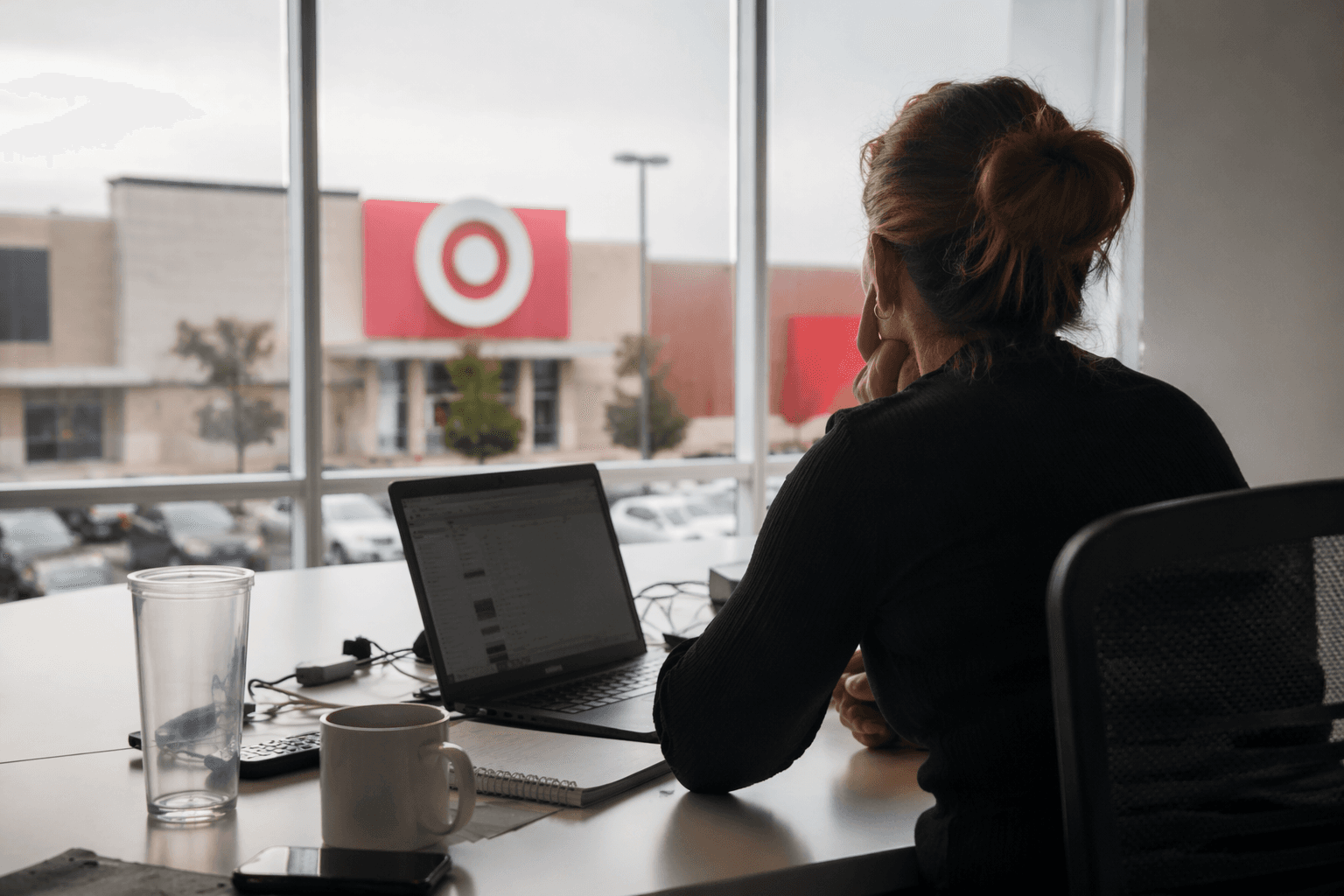
Target has already moved to protect that value message. On March 11, the company said it was lowering prices on more than 3,000 products, with most reductions running 5% to 20% below the original price. The cuts covered apparel, home, baby essentials and select food and beverages, and they were one of new chief executive Michael Fiddelke’s first major moves after he took over in February 2026. Target said at the time that busy families were focused on value, and the company has been trying to back that up with a more aggressive pricing posture.
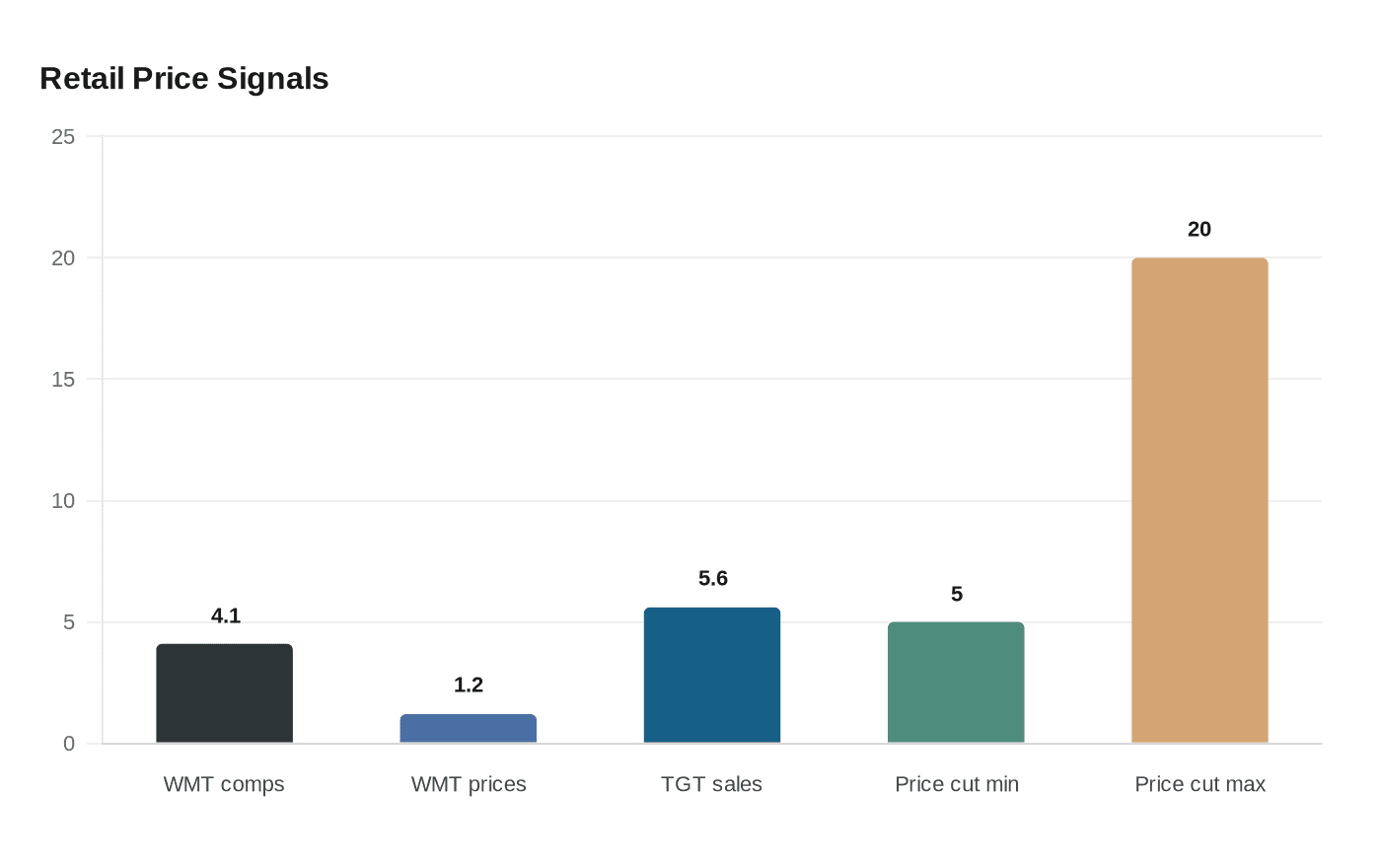
That backdrop makes Walmart’s warning more than a competitor headline. Target said in May that same-store sales rose 5.6%, its first increase in the metric in five quarters, and it raised its full-year sales outlook. Even so, the next stretch could be defined by tighter baskets, more promotion chasing and more guests walking out after price checks or substitutions. For Target store leaders, the practical read is simple: pricing clarity, clean signage and quick, consistent answers at the front end will matter more if fuel-driven inflation keeps pushing shoppers to the edge of the purchase.
This article was produced by Prism’s automated news system from verified source data, official records, and press releases, then run through automated quality and moderation checks before publishing. The system is built and supervised by the people who set the standards it runs under. Read our full AI policy.
Did this article answer your question?