Good On You's Weekly Deals Spotlight Verified Sustainable Fashion Discounts
Good On You's curated weekly deals filter out the greenwash: only brands rated 'Good' or 'Great' make the cut, making sustainable fashion genuinely affordable this Earth Month.
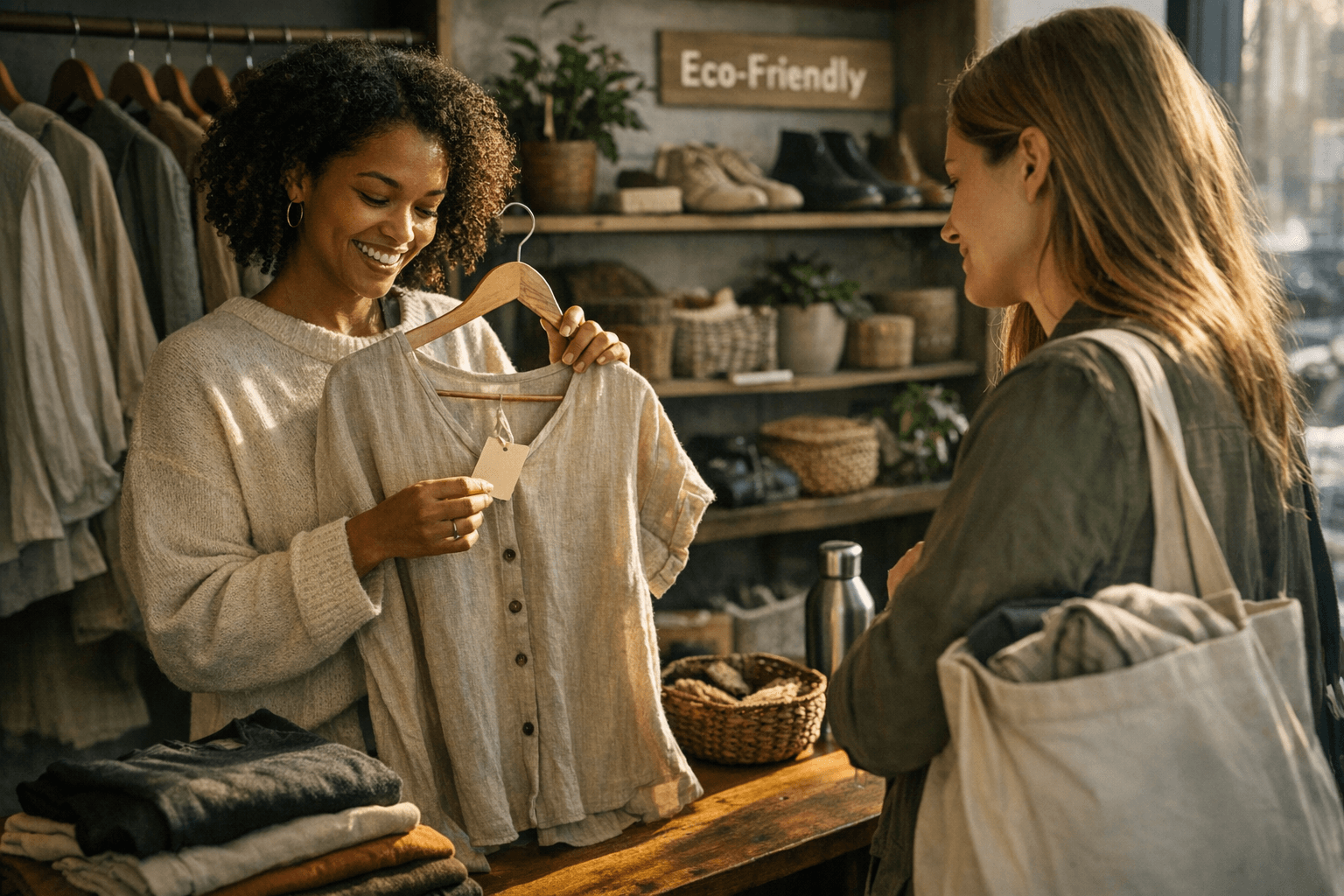
Every April, the sustainable fashion conversation gets loud and vague fast. Brands slap "eco-friendly" on anything with a recycled hangtag, and the deals sections fill up with discounts on clothing that never should have been made in the first place. Good On You's weekly offers roundup cuts through that noise in a way that almost no other platform does: every brand that appears on its deals list has already been independently assessed against the platform's methodology covering impact on people, the planet, and animals, and only those scoring "Good" or "Great" qualify for the curated page.
The March 26 edition of that roundup is worth treating as a master class in Earth Month shopping. It is practical, verified, and built around a simple premise: if you are going to buy something new, here are the brands where your money does something beyond filling a landfill.
Why the Rating Filter Is the Whole Point
Good On You rates thousands of brands across five performance tiers: We Avoid, Not Good Enough, It's a Start, Good, and Great. Only the top two tiers feed into the offers roundup, which means every brand featured has cleared a bar that most of fashion cannot reach. The platform's top-rated brands for 2026 include Etiko, MUD Jeans, Armedangels, No Nasties, Triarchy, Citizen Wolf, LA Relaxed, and Mila.Vert, all carrying a "Great" designation. That is not a marketing label; it reflects documented supply chain transparency, lower-impact materials sourcing, and demonstrated care for the workers making the clothes.
The commission-based model is also worth naming openly: Good On You earns a cut when readers use its codes and links, which funds the editorial and research work behind those ratings. That is a legitimate and disclosed funding structure, and it is a more honest arrangement than most affiliate-driven fashion content.
No Nasties: Fairtrade Organic Cotton Done Right
No Nasties is one of the standout "Great"-rated brands appearing in Good On You's offers rotation, and it earns that tier. The India-based label makes clothing from Fairtrade-certified organic cotton, with sizing that runs from 2XS to 3XL. The Fairtrade certification is doing real structural work here: it means farmers receive a price floor that protects against commodity market volatility, and a social premium that funds community investment.
On a cost-per-wear basis, a No Nasties organic cotton t-shirt worn twice a week for two years comes out to pennies per wear. Factor in a 10% promotional code, and the entry price drops further. Organic cotton lasts longer than conventional counterparts processed with synthetic finishes, which matters when you are doing the math on cost-per-wear rather than just sticker price.
Plant Faced Clothing: Vegan Streetwear With Receipts
Plant Faced Clothing describes itself as British, 100% vegan, and cruelty-free, and it backs those claims with product that looks like it belongs in a streetwear lineup rather than a niche ethics shop. The brand runs sizes XS to 2XL and leans into slogan graphics and crop silhouettes. What separates it from the greenwash tier is that its cruelty-free status covers the entire supply chain, not just the fiber content. No animal-derived inputs, no wool, no leather, no silk.
For streetwear pieces, cost-per-wear calculus is straightforward: a graphic tee that holds its shape and message through dozens of washes will always beat a cheaper, faster alternative that fades by month three.
Armedangels: The "Great"-Rated German Label Worth the Investment
Armedangels carries a "Great" rating and consistently appears across Good On You's curated edits. The German brand builds its collections around lower-impact materials and a supply chain it publishes with unusual transparency. Its Alberta T-Shirt, for instance, is a clean, heavyweight organic cotton piece that demonstrates how a basic can justify a higher upfront price when the fabric construction and ethical production guarantee a longer lifespan.
Buying an Armedangels piece during a sale window is one of the more rational sustainable purchases available: the discount closes the gap with fast fashion pricing while the garment's longevity widens the cost-per-wear advantage over time.
MUD Jeans: The Lease-and-Return Circular Model
MUD Jeans holds a "Great" rating and operates one of the most genuinely circular business models in fashion. The Dutch denim brand uses organic cotton and recycled denim in its production and offers a lease program that takes jeans back at end-of-life for recycling into new product. When MUD Jeans pieces appear in Good On You's offers wrap at a discount, the value proposition is compounded: you are buying into a system that accounts for what happens to the garment after you are done with it, which is a cost that conventional denim brands externalize entirely.
Denim is also a category where cost-per-wear math is particularly favorable. A pair of jeans worn three times a week for three years, purchased at even $150, works out to under $0.20 per wear.
SeamsFriendly: Custom Fit, Organic Materials, Zero Sizing Tax
SeamsFriendly uses organic cotton and linen and allows shoppers to customize fit across an unusually wide sizing range: for womenswear, bust sizes run from 26 to 70 inches; for menswear, chest sizing goes from 34 to 76 inches and above, with free custom sizing available. A kids' range is also offered. The brand's made-to-measure model eliminates the overproduction problem that generates the industry's most significant waste: nothing is cut and sewn speculatively.
Custom-fit clothing also holds its cost-per-wear advantage longer because it fits correctly from day one, reducing the tailoring costs and premature discarding that come with off-the-rack garments that never quite work.
Harvest & Mill: American-Grown, Undyed, Traceable
Harvest & Mill operates an unusually short and verifiable supply chain: every piece is grown, milled, and sewn exclusively in the United States, supporting organic cotton farmers and local sewing communities. The brand avoids dyeing and bleaching its cotton entirely, which cuts water consumption and chemical runoff at the processing stage. By cultivating multiple cotton varieties, it also actively supports biodiversity. Sizes run S to XL, which is the brand's primary limitation; it is otherwise a rare example of full domestic traceability in basics.
The no-dye, no-bleach approach also has a practical longevity benefit: undyed cotton does not fade the way treated fibers do, which directly extends the garment's useful life.
Yes Friends: The Radical Transparency in Pricing
Yes Friends publishes its production costs openly. Its t-shirts cost less than £4 to make, and the brand charges £7.99. That radical price transparency is an anti-greenwashing tool: it demonstrates that affordable pricing and ethical production are not mutually exclusive, and it puts the margin question that sustainable fashion perpetually dodges directly on the table.
Citizen Wolf and Etiko: "Great" Ratings Worth Knowing
Citizen Wolf, an Australian made-to-order brand, and Etiko, an Australian label producing Fairtrade certified, organic cotton, and vegan footwear and apparel, both carry "Great" ratings from Good On You. Etiko's supply chain is certified from fiber to finished product, which places it in a category of perhaps a dozen globally credible brands. When either label runs a promotion through Good On You's offers roundup, the discount is functioning as an access point to verified quality rather than a clearance signal.
How to Use the Roundup Without Getting Burned
Good On You refreshes its offers page regularly, which means the March 26 lineup will cycle. The practical approach for Earth Month:
- Filter only for brands rated "Good" or "Great" using the Good On You brand directory before clicking any deal link
- Check whether the discount applies to full-price items or only to already-reduced stock, since sustainable brands rarely use sales to move ethical inventory the way fast fashion does
- Calculate cost-per-wear before buying: divide the post-discount price by the realistic number of times you will wear the piece in two years
- Prioritize certifications over claims: Fairtrade, GOTS (Global Organic Textile Standard), and B Corp status are independently audited; "sustainable" without a certification is a marketing word
The fundamental promise of Good On You's weekly offers is not that sustainable fashion is cheap. It is that the brands you find there have already done the harder work of proving they belong in your wardrobe. The discount is just the reason to act on what you already know is right.
This article was produced by Prism’s automated news system from verified source data, official records, and press releases, then run through automated quality and moderation checks before publishing. The system is built and supervised by the people who set the standards it runs under. Read our full AI policy.
Did this article answer your question?


