Ireland launches circular textiles roadmap, targets fashion waste by 2028
Ireland’s new textile roadmap puts brands on the hook by April 2028, as households still bin 64,000 tonnes of clothes and linens a year.
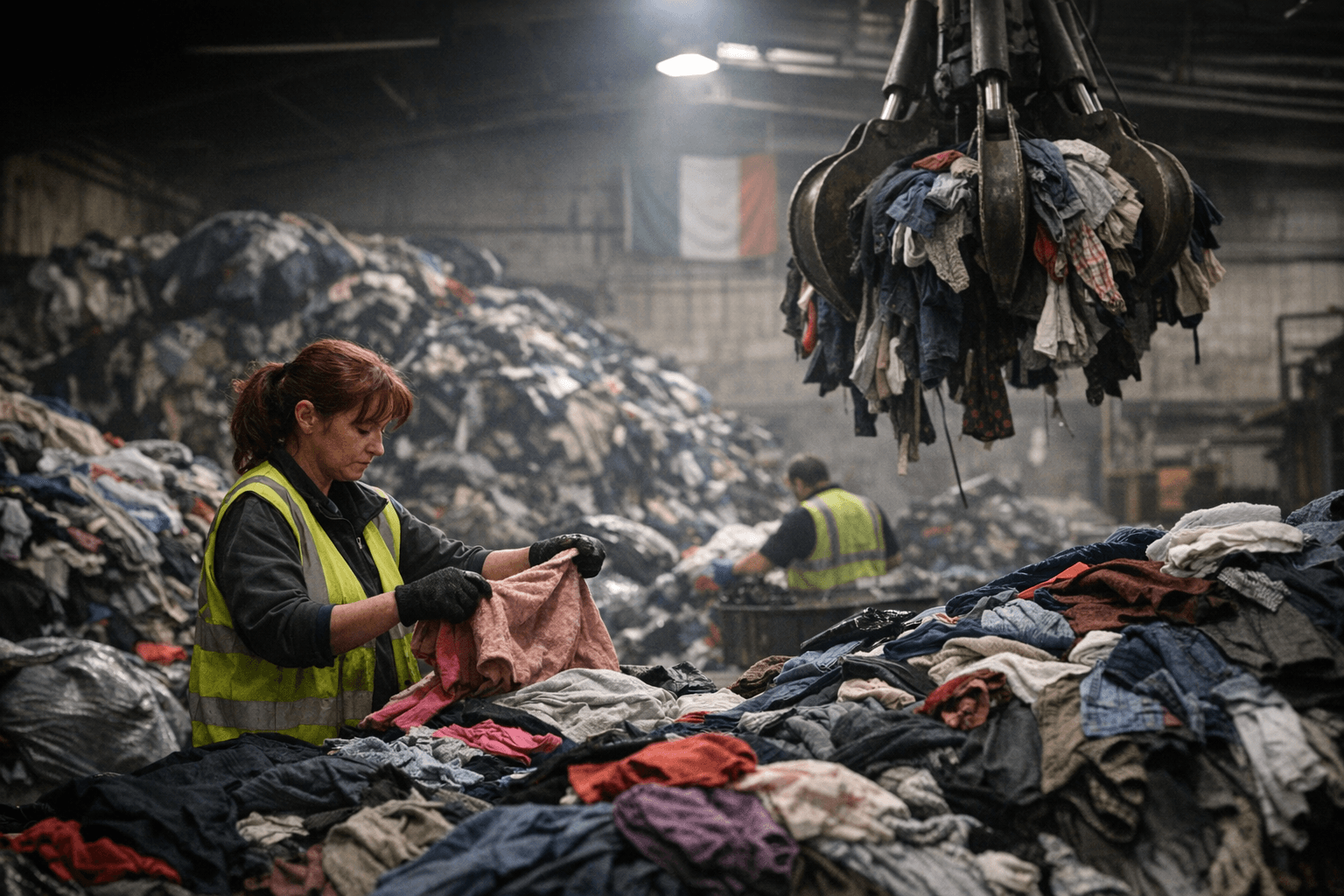
Ireland has stopped treating fashion waste as a soft-edged aspiration and turned it into a deadline. Alan Dillon launched the country’s first National Policy Statement and Roadmap on Circular Textiles on 2 April, setting out a 2026-2028 plan that makes producers or retailers pay for the collection and management of used clothing and other textiles by April 2028, while promising far more responsible donation and disposal options by 2030. The scale is startling: Ireland discards more than 110,000 tonnes of textiles a year, and about 64,000 tonnes go out through household bins alone.
The fashion implication is clearer than in most sustainability plans. Ireland’s broader Circular Economy Strategy, published on 24 February, puts circularity at the center of competitiveness, environmental sustainability and social wellbeing, with a target of raising the circular material use rate by two percentage points a year to 12% by 2030. For brands, that means design pressure will shift upstream: garments that last longer, repair more easily and re-enter circulation more cleanly will be favored over the kind of flimsy, one-season stock that too often ends up in a black bin bag.
The policy also lands in lockstep with Brussels. The European Union’s revised Waste Framework Directive entered into force on 16 October 2025 and requires every member state to establish textile extended producer responsibility schemes under common rules, with producer fees funding collection and management of the waste stream. Eco-modulation should push fees higher for harder-to-recycle product and lower for better-designed pieces, which is exactly the sort of market signal fashion has been resisting for years.
For consumers, the change will show up in the mundane places that matter most: charity shops, textile banks, civic amenity sites and MyWaste.ie, where the government has launched a national awareness campaign telling people to return items clean, dry, folded and bagged. The message is simple but transformative. A sweater is no longer just a purchase; it is a tracked material with a second life, a collection point and, eventually, a disposal route that is meant to be visible instead of mysterious.
Community Resources Network Ireland called the roadmap an important milestone, and the EPA’s textile research supplied the data backbone for the policy. That is what makes this more than another glossy framework: Ireland has tied the circular-textiles conversation to waste volumes, public collection points and producer funding, then pinned it to dates. Whether other markets can copy it will depend on whether they are willing to do the hard part too, and enforce the bill.
This article was produced by Prism’s automated news system from verified source data, official records, and press releases, then run through automated quality and moderation checks before publishing. The system is built and supervised by the people who set the standards it runs under. Read our full AI policy.
Did this article answer your question?


