Prusa patent adds three-stage nozzle cleaning for cleaner starts
Prusa’s new patent could turn nozzle cleanup into a built-in start-up routine, using a shearer, brush and parking surface before the first layer ever begins.
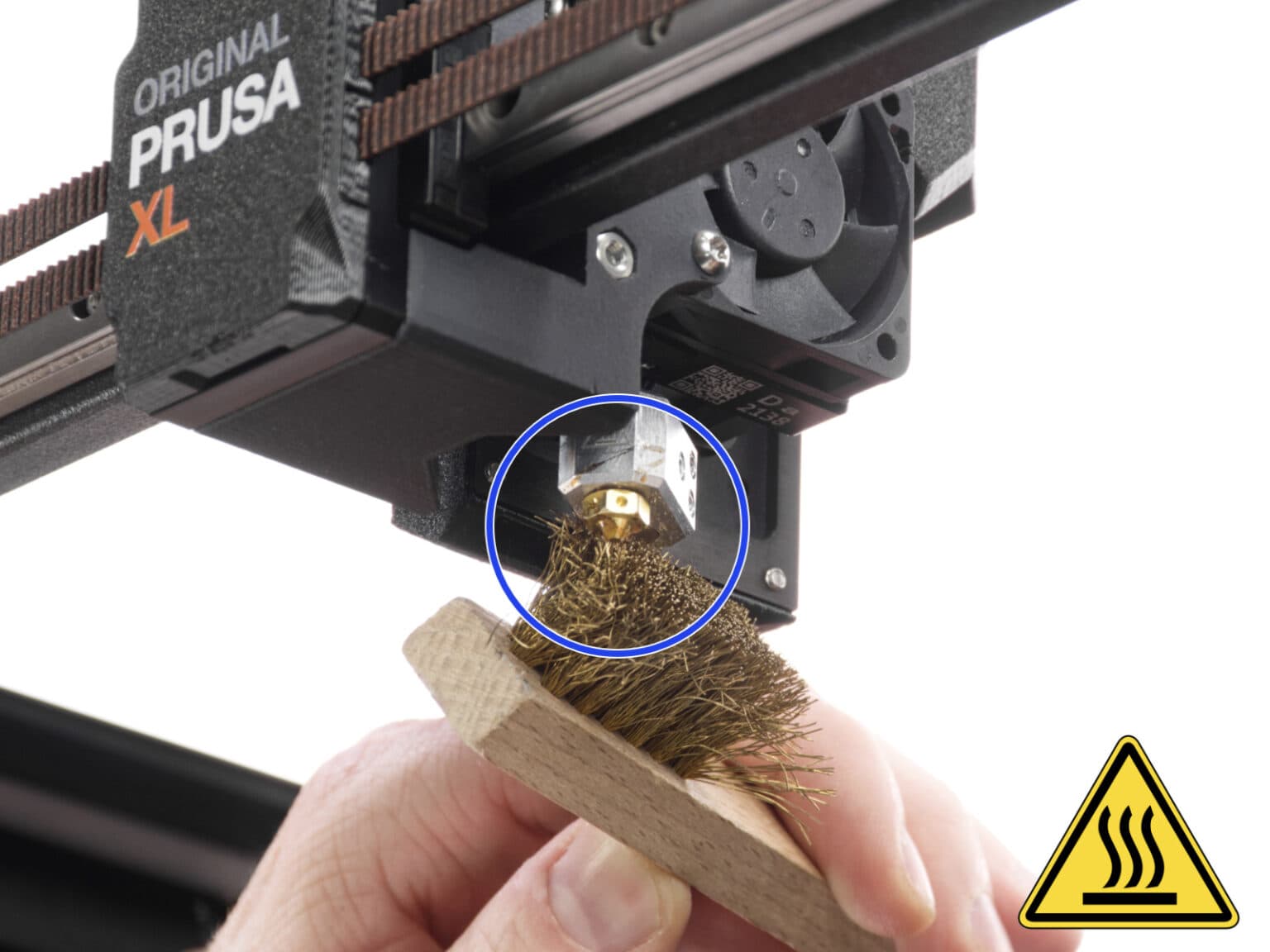
The first layer still decides whether a print becomes a part or a pile of wasted filament, and Prusa Development just sketched a more mechanical way to protect it. Its Czech patent application, CZ-2025134-A3, describes a nozzle-cleaning system that sends the hotend through three stages before printing starts: a shearer to strip off bigger remnants, a brush to clear finer residue, and a parking surface to finish the routine.
That idea lands in familiar territory for anyone who has watched a print start badly. Right now, the usual fixes are purge lines, wipe brushes, manual nozzle cleaning, or a mix of all three, especially on multicolor jobs, soluble supports, abrasive materials, and unattended queues. Those workarounds help, but they also add clutter to the bed, waste time and material, and still leave room for a stray blob to ruin the opening pass.
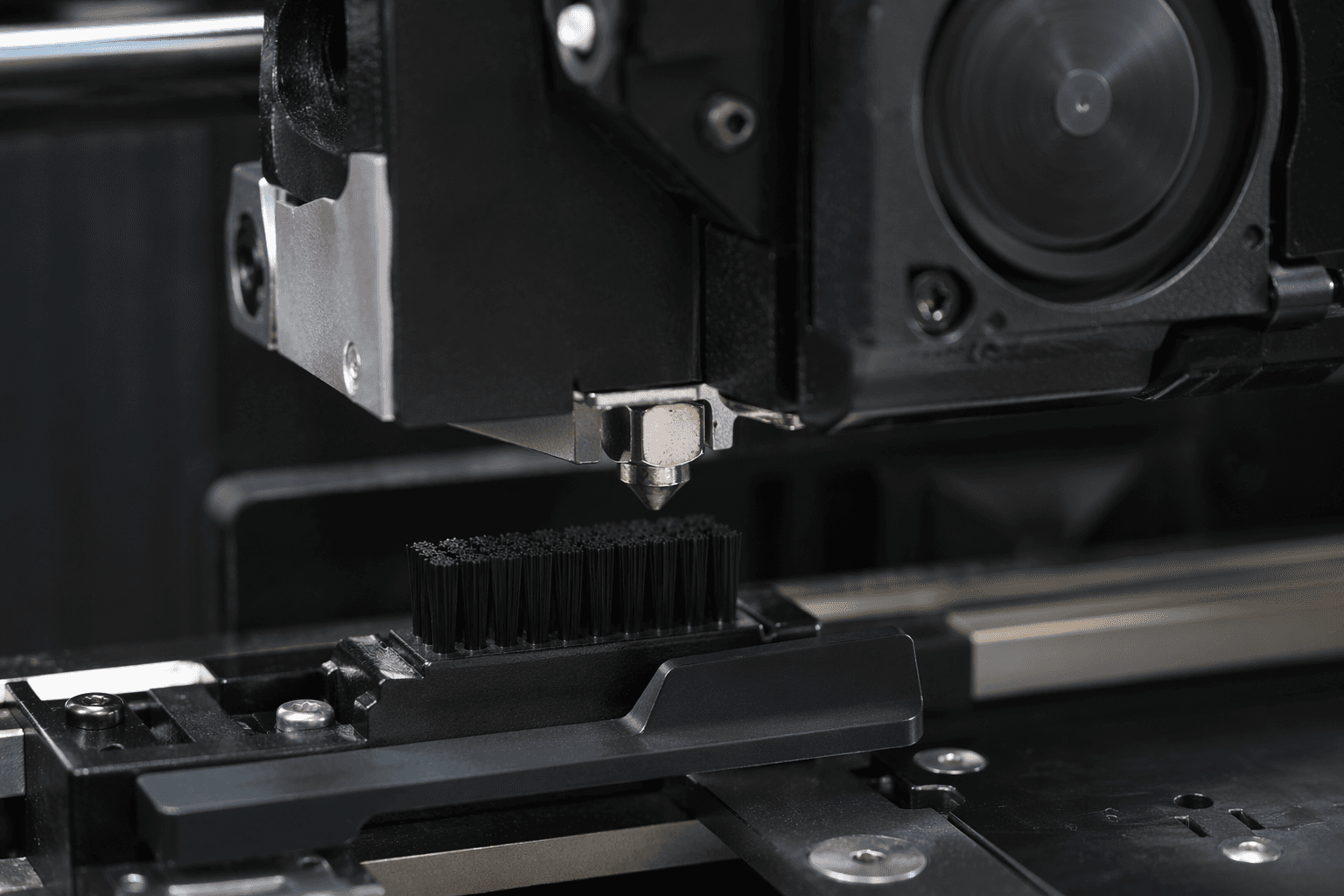
Prusa’s own maintenance guidance explains why the company seems to care so much about this. The Prusa Knowledge Base says it is fundamental for the hotend to be clean, and warns that debris on the nozzle or heaterblock can cause printer failures, including residue falling onto the printed model while a job is running. That is not a cosmetic issue. It is a reliability issue, and on a machine that depends on clean starts, it is often the difference between walking away and babysitting the printer.
The patent also fits the way Prusa has framed the Original Prusa XL. Its calibration and pre-print setup are fully automated, and the machine uses a load cell in the toolhead to probe the surface with the nozzle itself, which makes nozzle cleanliness especially important. If there is buildup on the tip before probing, the first layer can go sideways before the job even gets going. Prusa’s maintenance notes for the XL recommend regular upkeep every roughly 200 to 300 hours of print time, which tells you the company already treats cleanliness as part of normal operation, not an afterthought.
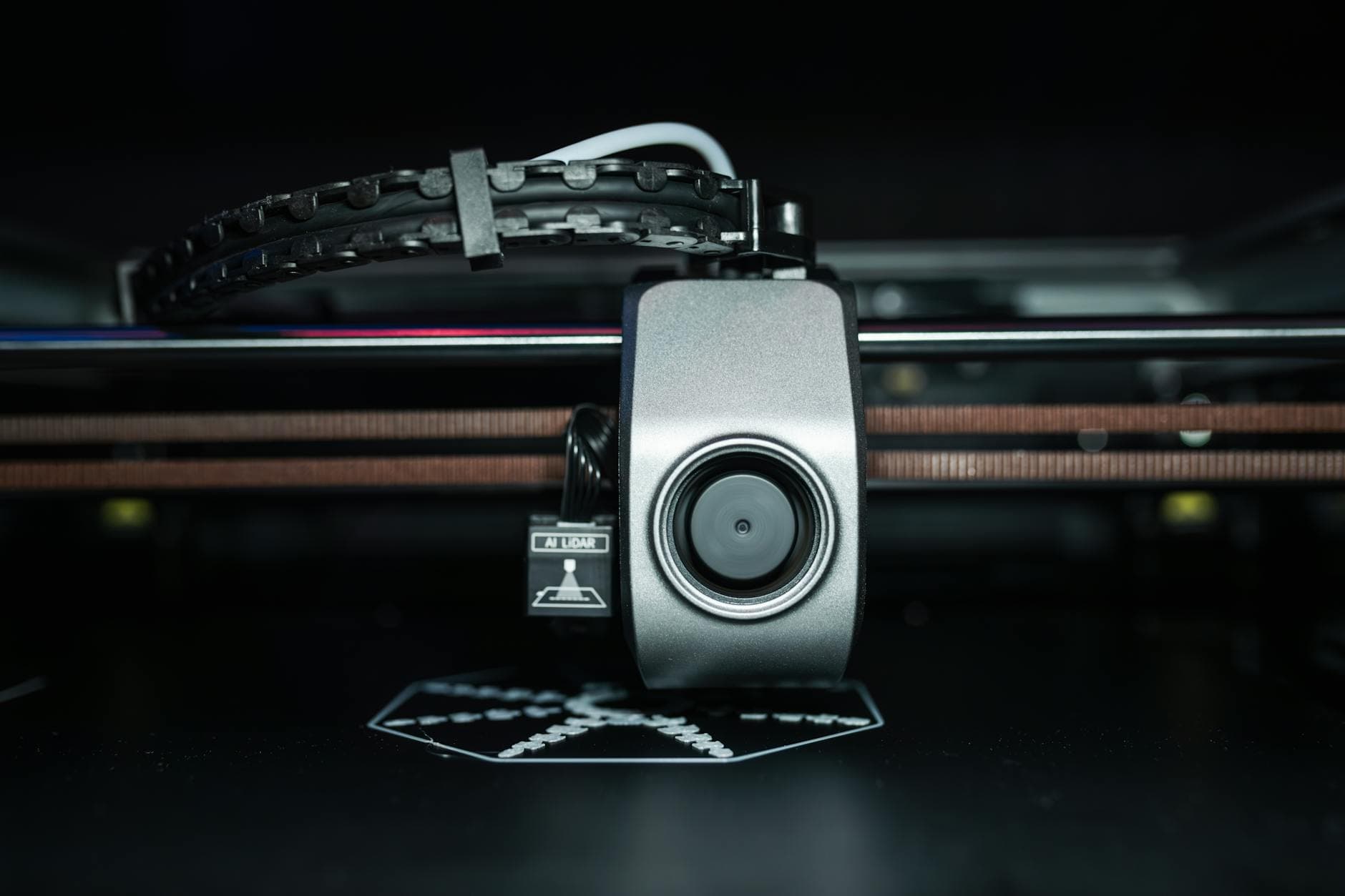
The community has been ahead of the paperwork here. XL owners have already shared external nozzle scrubber and brush accessories on Printables and Thingiverse, along with G-code routines that clean the nozzle before probing and printing. That makes the new patent feel less like a novelty and more like Prusa noticing a real-world annoyance that users have already been hacking around on their own. Whether this exact mechanism ships or not, the direction is clear: the best upgrade may not be faster speed or fancier materials, but simply a cleaner start every single time.
This article was produced by Prism’s automated news system from verified source data, official records, and press releases, then run through automated quality and moderation checks before publishing. The system is built and supervised by the people who set the standards it runs under. Read our full AI policy.
Know something we missed? Have a correction or additional information?
Submit a Tip