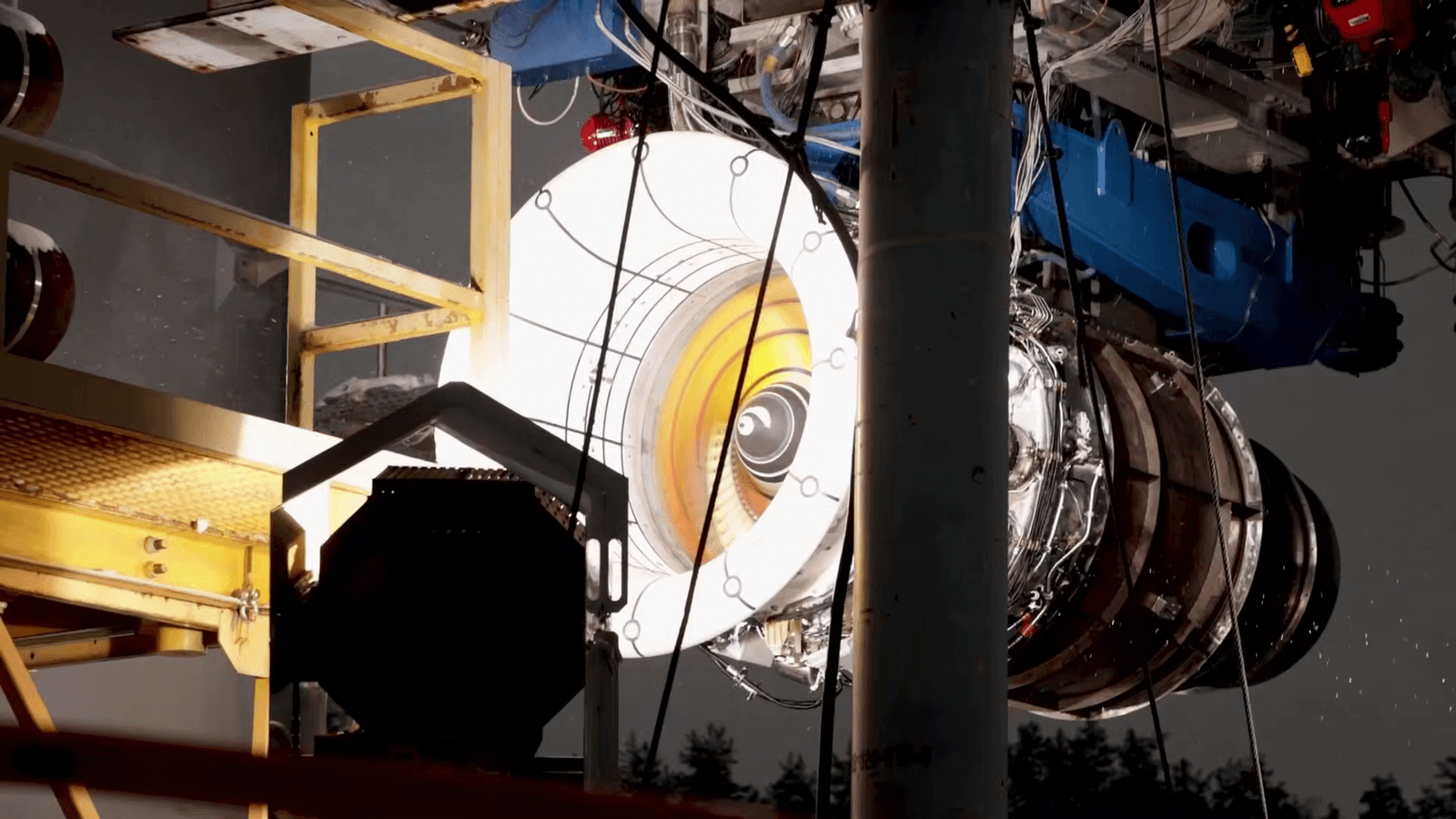
Relativity Space and DEEP Manufacturing scale wire-arc 3D printing services
Wire-arc metal printing is moving past stunt parts and into service businesses, and Relativity Space and DEEP Manufacturing are showing what that maturity looks like.
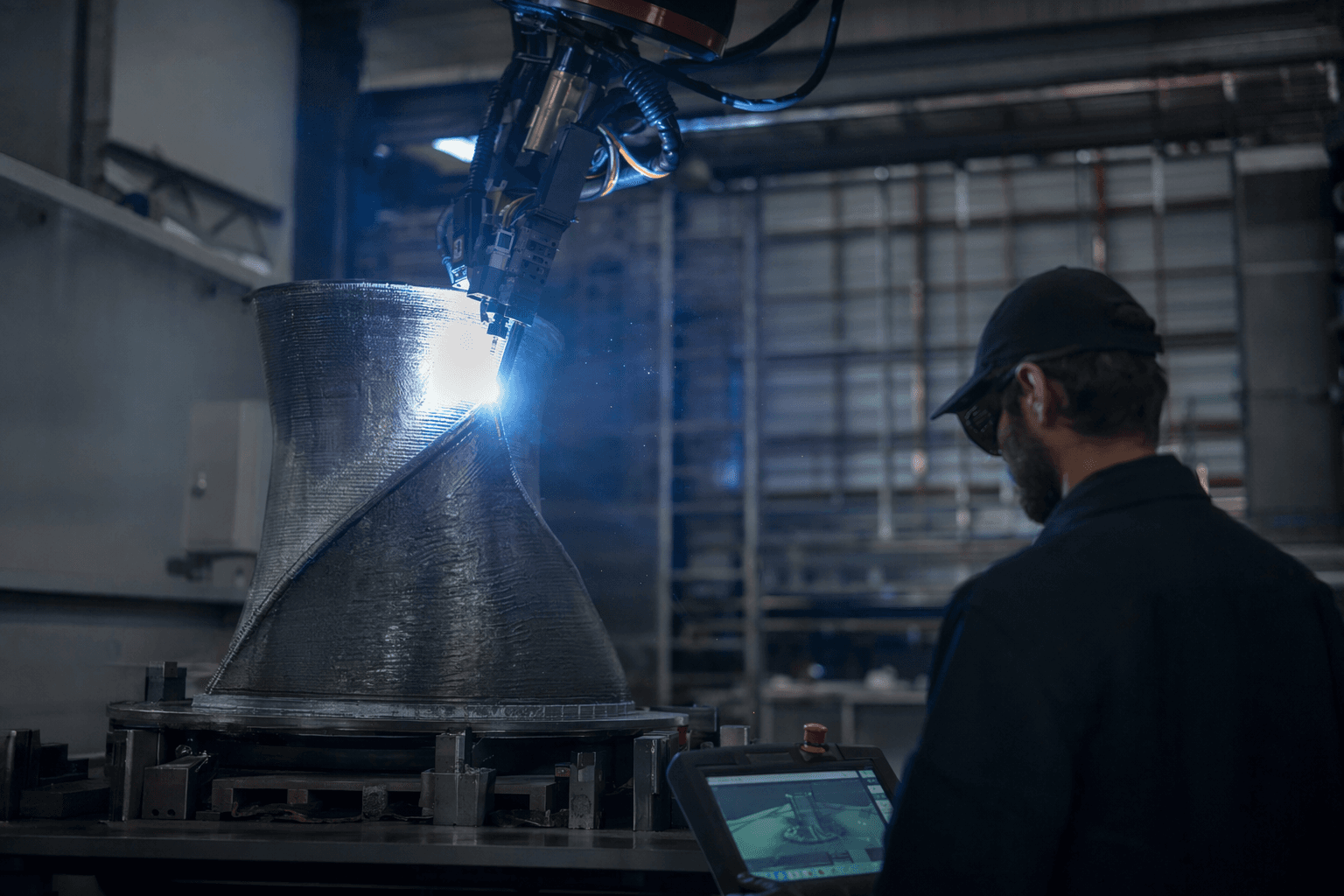
The real milestone in wire-arc printing is not the machine, it is the business model
The biggest change in wire-arc 3D printing is not a new robot cell or a shinier torch. It is the shift from one-off hero builds to repeatable service capacity, where companies can actually take orders, hit delivery windows, and qualify parts for real industrial use. That is why the latest move from Relativity Space and the Houston expansion from DEEP Manufacturing matter so much: both are signals that WAAM is getting past the demo phase and into the part of the market where customers write checks.
This is the pattern worth paying attention to. Once a company proves it can print big metal parts, the next question is whether it can turn that know-how into a business that serves multiple sectors. Aerospace gets the headlines, but the broader prize is much bigger: energy, defense, maritime, subsea, and industrial manufacturing all want large metal parts without the pain of traditional supply chains.
Relativity is turning Horizon into a standalone service arm
Relativity Space is treating Horizon Manufacturing Technologies as a business unit in its own right, not just an internal experiment. That alone says a lot. Horizon operates from a 120,000-square-foot facility called The Portal, and Relativity says the initial focus is large-scale metal castings for energy, aerospace, and defense.
The staffing choice reinforces that this is meant to be operational, not theoretical. VoxelMatters reports that Horizon is led by Quan Lac, who spent eight years building the additive manufacturing business at Siemens Energy. That background matters because a service business in this space is not won by flashy printing alone. It is won by process discipline, customer trust, and the ability to deliver the same part quality again and again.
Relativity’s broader framing is just as important. The company has said Horizon fits into an American reindustrialization effort, one aimed at replacing traditional supply chains while still meeting reliability standards. In plain terms, that means the value proposition is no longer just about printing a rocket part. It is about proving that additive can sit inside real industrial procurement, with the same expectations for repeatability and accountability that buyers already demand from casting, machining, and forging.
DEEP Manufacturing is building the same bridge in Houston
DEEP Manufacturing is making the same move from capability to commercial service, and its Houston expansion is a useful case study in how this market is actually scaling. The company is opening a 50,000-square-foot facility in Houston, with an official launch scheduled for May 6, 2026. VoxelMatters reports the site received its first manufacturing systems in late 2025 and will start with four WAAM platforms.
That location is not random. DEEP says Houston was chosen because it sits inside a major hub for energy, subsea, and industrial engineering. That is exactly where a wire-arc service provider wants to be if it is trying to shorten lead times and stay close to customers that care about qualification, supply-chain resilience, and delivery certainty.
The technical pitch is also more grounded than the usual additive marketing gloss. DEEP says its Houston expansion is meant to bring WAAM capability closer to customers in energy, defense, and maritime sectors, and that its offering includes end-to-end aerospace services, from design optimization to final production. VoxelMatters also reports the launch will produce carbon steel and nickel-based alloy components, which is the kind of practical material mix that signals production intent rather than lab theater.
Why this shift matters outside aerospace
If you only follow rockets, it is easy to treat large-format metal printing as an exotic corner of the industry. That misses the real story. The important breakthrough is that companies are now building the service layer around the hardware: facilities, qualification pathways, production schedules, and customer-facing operations that let WAAM behave like an industrial process instead of a showcase.
AML3D makes that demand easier to see. The company says its Wire Additive Manufacturing process is designed for medium to large-scale and exotic-material parts, and its Navy-linked materials from 2025 projected about 400 additively manufactured components in 2026, rising to about 1,600 by 2030. Those same materials pointed to plans for up to 100 large-format metal 3D printers across the U.S. industrial base. That is not niche behavior; that is what scaling looks like when procurement starts to believe the process can hold up.
Caracol is following a similar path from a different starting point. The company has long been associated with large-format robotic manufacturing for polymers and composites, but it is now moving into metal WAAM with its Vipra AM platform. Put together, these moves show a market that is no longer asking whether wire-based metal printing can work at all. It is asking who can run it at scale, who can qualify it, and who can deliver it as a service customers can actually buy.
The practical takeaway for the wider AM market
This is why the Relativity and DEEP stories matter well beyond aerospace insiders. Service businesses are often the step that makes a technology usable by smaller customers later on. Once industrial additive matures into a supply chain of qualified providers, the pressure flows outward into software, motion control, materials handling, and the pricing expectations for every other printer class around it.
That is the real maturity update here. Wire-arc metal printing is no longer only about spectacle, giant parts, or press-release engineering. It is about operations, lead times, and whether a customer can depend on a supplier to ship a part that works the first time. When a technology starts being organized around service capacity instead of novelty, it stops looking like a promise and starts looking like an industry.
This article was produced by Prism’s automated news system from verified source data, official records, and press releases, then run through automated quality and moderation checks before publishing. The system is built and supervised by the people who set the standards it runs under. Read our full AI policy.
Did this article answer your question?