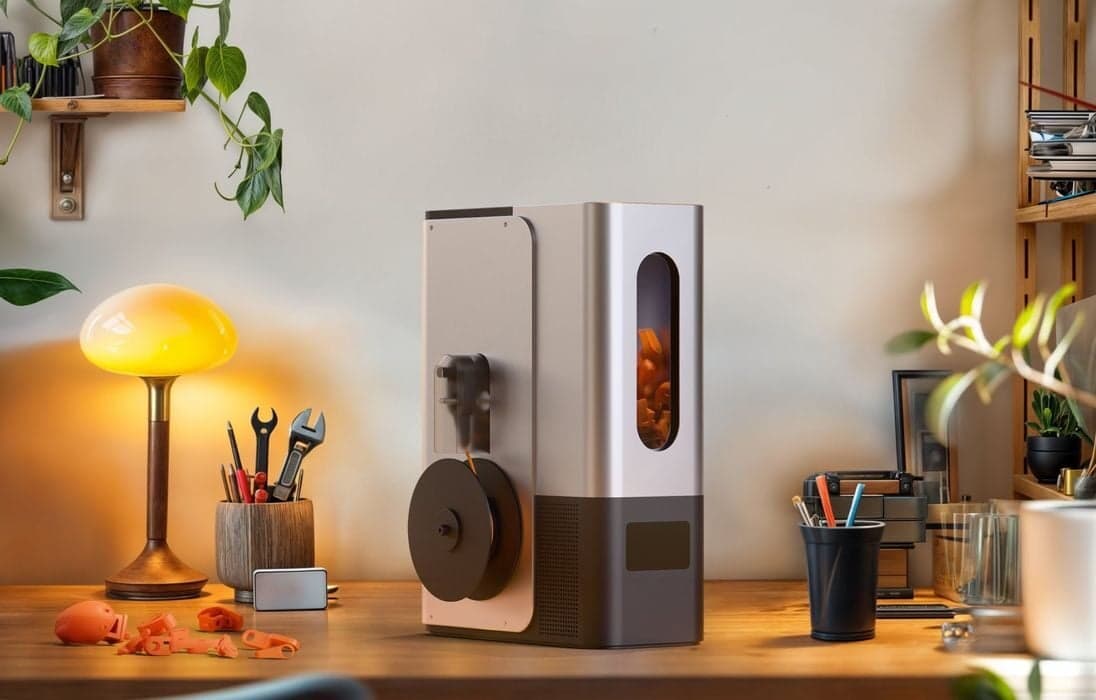
Valparaiso and UC Berkeley Students Explore Faster, Lower-Waste 3D Printing Methods
Valparaiso engineering students, with UC Berkeley partners, are testing alternative 3D-printing methods to cut print time and material waste; Valpo also reports a basketball‑game pilot that diverted 95 percent of waste, leaving eight pounds of trash.

Engineering students at Valparaiso University, working with partner researchers at the University of California, Berkeley, are engaged in "an academic research project exploring alternative 3D‑printing methods aimed at reducing print time and material waste compared with conventional nozzle‑based extrusion." The supplied project description ends abruptly with the characters "Whe", so the timeframe, named student researchers, UC Berkeley contacts, specific methods under study, and any measured results were not provided in the material available for this story.
Valparaiso’s sustainability work runs in parallel. For the third year in a row, Valparaiso University will participate in the Campus Race to Zero Waste program, and the university notes "impressive showings in the 2023 and 2024 contests, including a first‑place win in the Zero Waste Case Study Category." Tyler Kuss ’25, an integrated business and engineering major, put a campus target on the table: "My goal is to get to 35‑percent diversion of waste across campus."
Those targets sit against Valpo’s current baseline numbers: "Right now, we’re at about 20‑percent recycling and six‑percent composting, but the rest is trash." The university lists a "new, potentially cost‑saving composting initiative, 'Green Games' at athletic events, and more" among its tactics to move that needle. During a January basketball game run, the supplied material reports that "the program managed to divert 95‑percent of the waste, leaving only eight pounds of trash by the end of the event." The excerpt does not name which program achieved that 95‑percent diversion; the sentence follows the composting initiative and Green Games in the original text without specifying whether either program, or a combined effort, produced the result.

Valpo’s sustainability lineup also includes "assistance with waste disposal during move‑in and move‑out days, single‑use coffee pod recycling, and plastic film recycling." Those activities, together with a stated ambition to hit 35‑percent diversion, frame the university’s operational goals for campus waste management while the 3D‑printing research remains an academic work in progress.
What’s concrete and what needs follow up are clear. The institutions involved and the project aim for the 3D‑printing work are documented: Valparaiso engineering students and UC Berkeley partner researchers are exploring alternatives to nozzle‑based extrusion to reduce print time and material waste. The sustainability numbers and programs are explicit: third consecutive year in the Campus Race to Zero Waste program, 20‑percent recycling, six‑percent composting, a reported 95‑percent diversion at a January basketball‑game pilot, and Tyler Kuss’s 35‑percent diversion goal. Confirming named researchers, technical methods, quantitative print metrics, and which program delivered the event diversion will determine whether the lab innovation and campus waste programs can be meaningfully linked.
Know something we missed? Have a correction or additional information?
Submit a Tip