AGA 2026 workshop page spotlights nano aquascaping and Wabi Kusa classes
AGA’s workshop block turns nano aquascaping and Wabi Kusa into a fast track for hands-on skill building, with only one class slot to choose from.
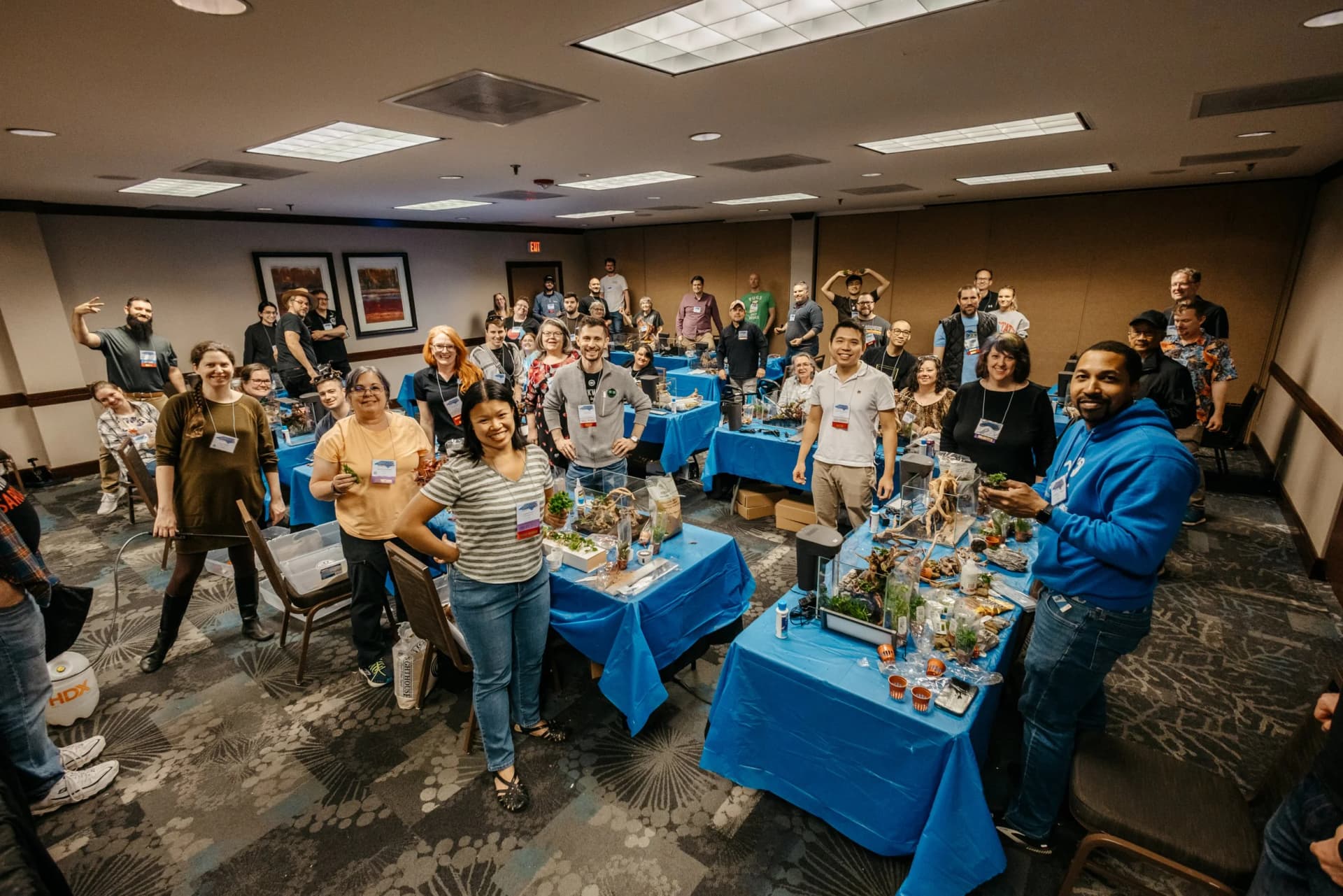
The AGA’s workshop page makes a clear bet: if you want to get better at small-format aquascaping fast, you do it with scissors in hand, not by doomscrolling tutorials. Nano Aquascaping and Wabi Kusa are both framed as hands-on classes for different skill levels, and the split-time schedule forces a real choice. That matters because the details that make or break these layouts, plant handling, composition, maintenance, and troubleshooting, are exactly the things that are easiest to misunderstand until you see them done live.
Why the workshop block matters
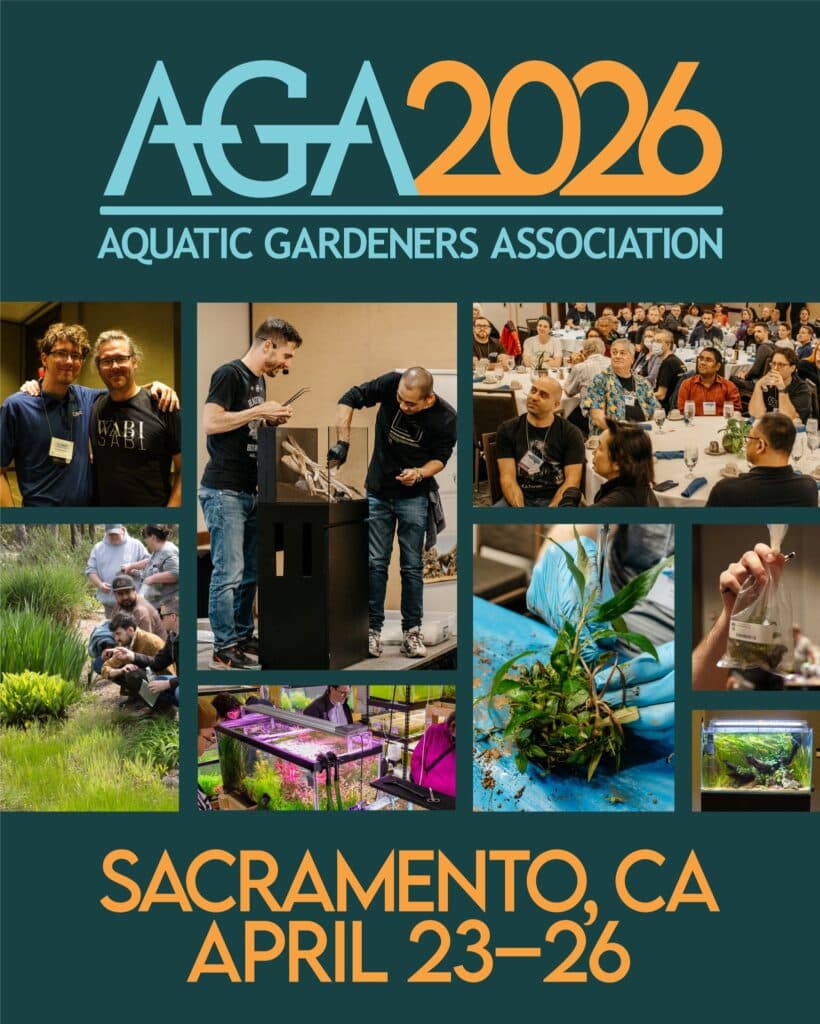
The Aquatic Gardeners Association runs AGA 2026 as a four-day convention, April 23 to 26, 2026, at the Wyndham Sacramento in Sacramento, California. The workshop block lands on Friday, April 24 at 1:30 p.m., with an aquascaping demo later that evening at 7 p.m. That sequence tells you the weekend is built around instruction, not just socializing: the classes sit alongside talks, live demos, vendors, and the kind of structured programming that makes it easier to absorb technique instead of collecting disconnected tips.
AGA describes itself as an international organization of aquatic plant enthusiasts, and that identity shows up in the way it programs this event. The Sacramento Aquarium Society is hosting the convention in place of FIN-DIG, which adds a local club layer to a convention already built around aquascaping culture. For anyone trying to level up, that combination of hands-on classes, demos, and a room full of planted-tank people is a better learning environment than trying to reverse-engineer layouts from short clips and forum posts.
Nano aquascaping teaches precision, not just aesthetics
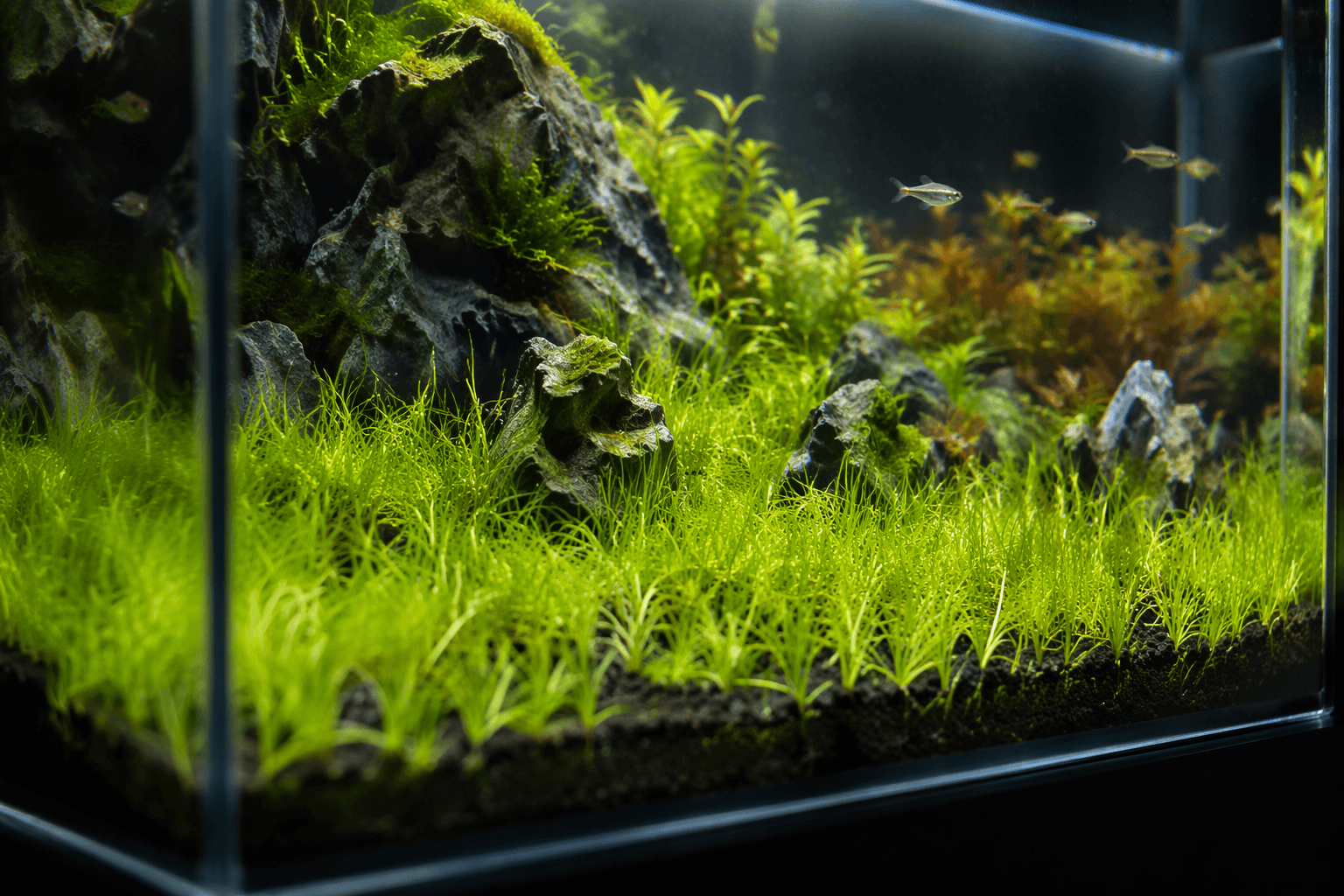
Nano aquascaping is the tighter of the two workshops because the format leaves nowhere to hide. In a small tank, every stone, stem, and line of sight changes the entire read of the layout, so the lesson is not simply how to make a tank look pretty. It is how to place material with intent, how to keep negative space from collapsing, and how to avoid clutter that looks harmless in a big aquascape but feels chaotic in a nano.
That is exactly why an in-person class pays off. You can watch how an experienced aquascaper handles delicate plants without crushing new growth, how hardscape gets adjusted in millimeters rather than inches, and how a layout is checked from multiple viewing angles before it is locked in. Those are the kinds of skills that are hard to absorb from passive viewing because the camera usually hides the awkward part, which is the part you actually need to see.
The workshop page’s framing of nano aquascaping as expert-led and suited to small tanks also signals that this is about discipline, not trend-chasing. A good nano layout is basically a study in restraint. You learn which elements deserve to stay and which ones need to be cut, lifted, moved, or removed before they wreck the composition.

Wabi Kusa widens the aquascaping vocabulary
Wabi Kusa is the more openly artistic track, and the page leans into that by describing it as Japanese moss-ball planting. Aqua Design Amano’s own material says wabi-kusa can be enjoyed both terrestrially and underwater, which is part of why the style has such range. You can use it as a desk display or as a planted accent, so the workshop is not only about tank building, but about understanding how plant form can stand on its own.
That makes the in-person format especially valuable. Wabi Kusa depends on plant handling at a very fine level: how wet the plant mass should be, how roots are arranged, how moss and stems are anchored, and how the piece is kept stable after the initial build. Those are tactile decisions, and they are much easier to understand when you can see the instructor’s hands, the moisture level of the materials, and the way the finished composition holds together at arm’s length.
Wabi Kusa also broadens what counts as aquascaping skill. Instead of only thinking in terms of tank volume and filtration, you start thinking about line, texture, mass, and how a planted piece reads in open air. That is a useful shift for anyone who wants a stronger eye for composition, because it carries back into every other layout you build.
The schedule makes the choice real
Both workshops happen at the same time, so attendees can take only one. That is a small logistical detail with a big practical meaning: AGA is not treating these as side attractions to wander through if you have a spare hour. It is treating them like serious, capacity-limited instruction that deserves a full block on the schedule.
The page also notes that if participants cannot leave their creation on display through the convention, refunds are available and another participant may take the opportunity. That tells you the workshops are built around live display and shared presentation, not just taking home a finished piece. In other words, part of the value is the communal exchange, seeing what others built, and letting the room become part classroom, part gallery.
AGA has been building this kind of instruction for years
The workshop page does not stand alone. AGA says its aquascaping contest is a friendly way for hobbyists to share work and learn better techniques through the display and evaluation of those efforts, and the contest guidelines list Wabi-Kusa as one of the official categories alongside Aquatic Garden, Dutch Aquascape, Biotope Aquascape, Paludarium, and Riparium. That matters because it puts wabi-kusa squarely inside AGA’s formal aquascaping language, not off to the side as a novelty.
AGA also calls its contest the longest-running aquascaping contest, and its archive covers more than 23 years of entries. The association’s archive page says members can stream presentations from past conventions from 2000 through 2024, and the convention archives specifically point to Wabi-Kusa demo and workshop highlights and nano aquascaping workshop highlights. This is not a one-off experiment. It is a teaching tradition that has been compounded year after year.
That continuity is what makes the 2026 workshop page worth paying attention to. If you are trying to accelerate your skills, a convention that preserves past talks, remembers past workshop formats, and folds those lessons back into the current program gives you a much cleaner path than piecing together advice from scattered clips, reposted photos, and contradictory forum threads.
The bigger names behind the weekend
The rest of the convention program reinforces the same point. Dave Chow, whom AGA describes as a world-renowned aquascaper and the Saturday keynote speaker, is also scheduled for a live aquascaping demo. Chow won the ADA International Aquatic Plants Layout Contest Grand Prize in 2007, becoming the first Hong Kong aquarist to receive that honor. That kind of résumé gives the demo real weight, because it ties the weekend’s teaching not just to theory, but to a practitioner with a proven international track record.
The same historical thread runs back to Takashi Amano, who founded Aqua Design Amano in 1982 and helped establish the Nature Aquarium style. Once you put that lineage next to AGA’s own contest structure and its archive of workshop highlights, the 2026 convention reads less like a schedule and more like a living pipeline for aquascaping knowledge. The point of the workshop block is not to watch someone else build a tank. It is to compress years of trial and error into a single afternoon, then carry that judgment back to your own layout.
This article was produced by Prism’s automated news system from verified source data, official records, and press releases, then run through automated quality and moderation checks before publishing. The system is built and supervised by the people who set the standards it runs under. Read our full AI policy.
Did this article answer your question?