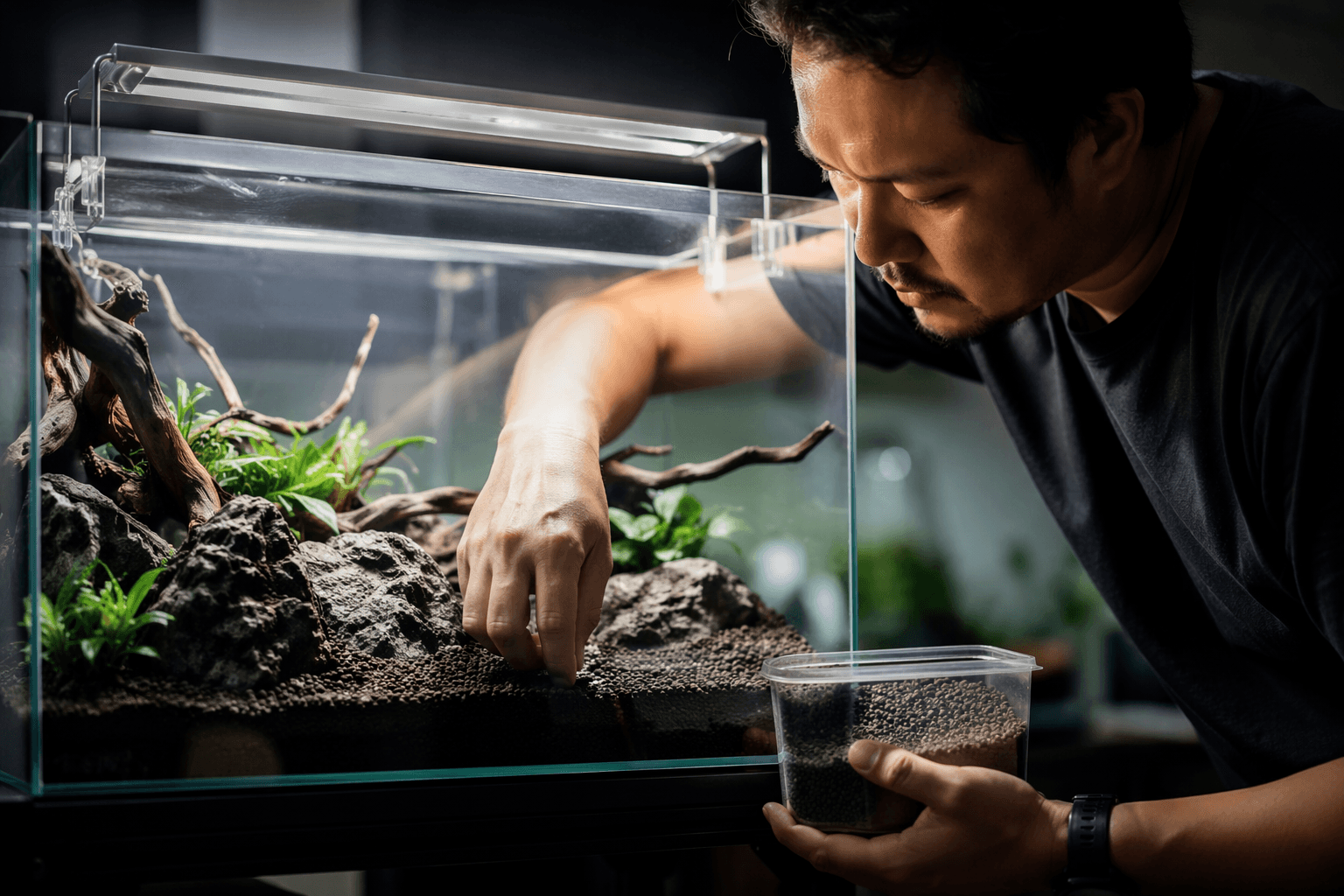
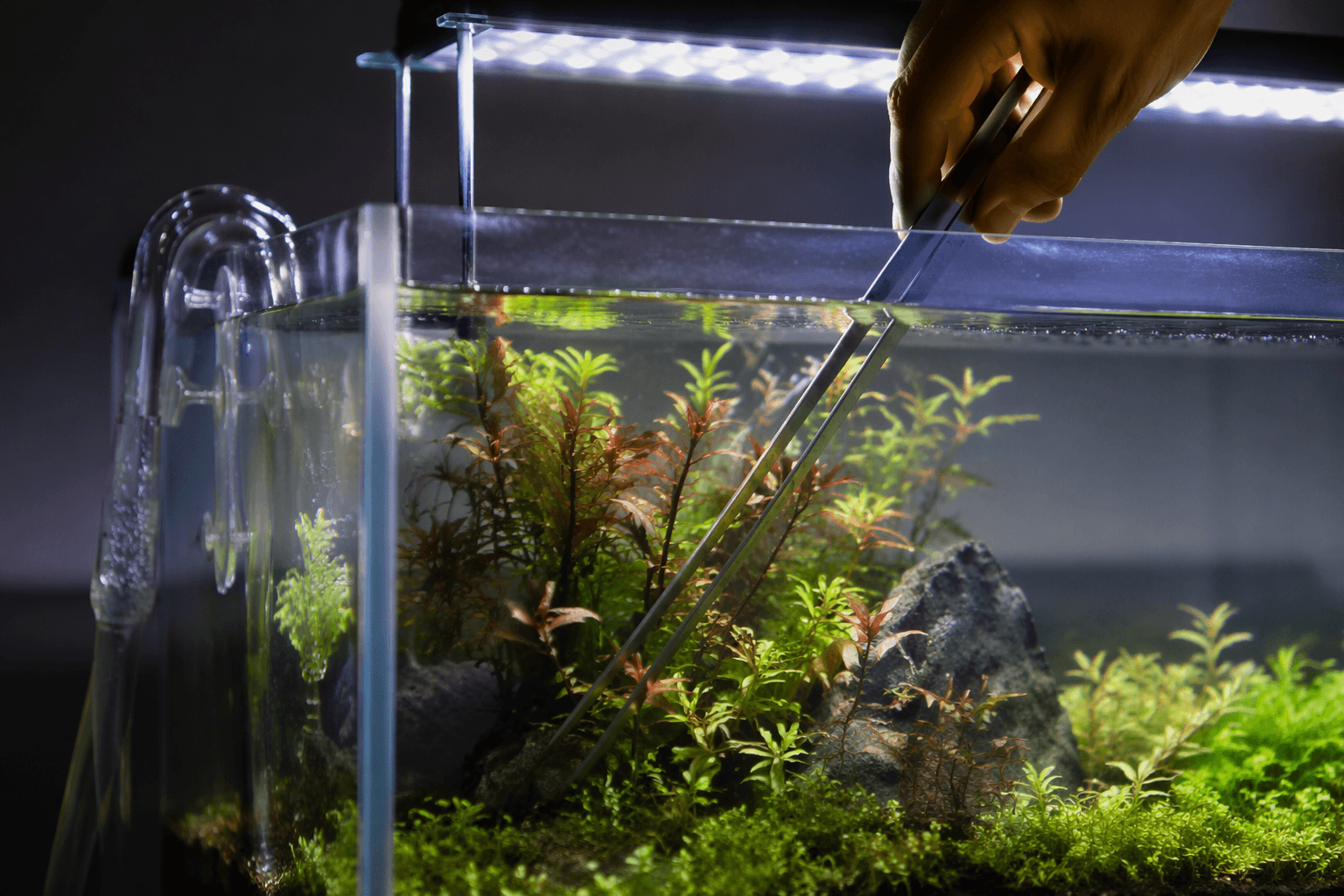
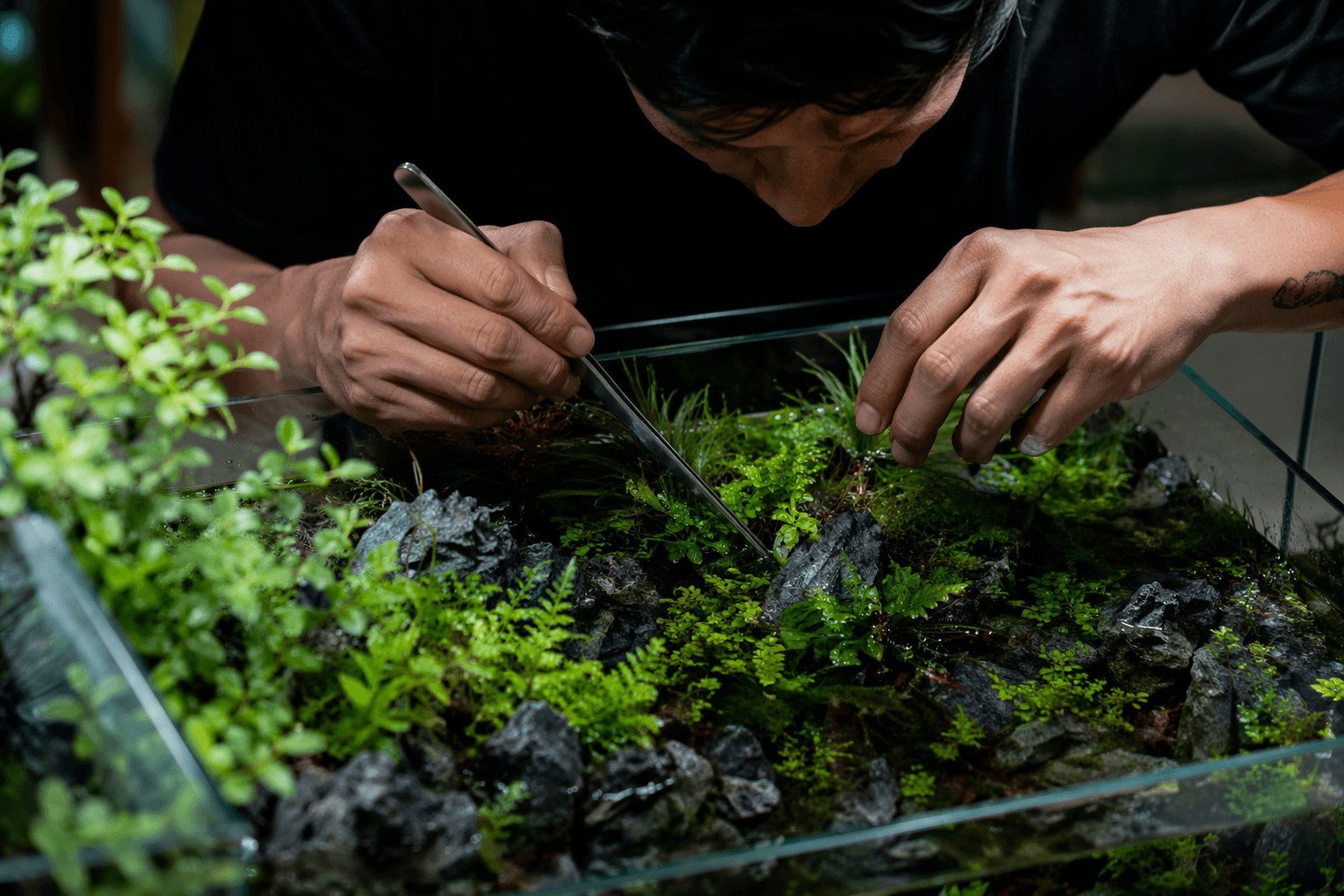
Aquascaping communities help hobbyists refine layouts and solve design problems
A stalled layout is often the easiest one to fix once other aquascapers weigh in. The best community feedback goes beyond praise and gets into balance, scale, and fish-safe choices.
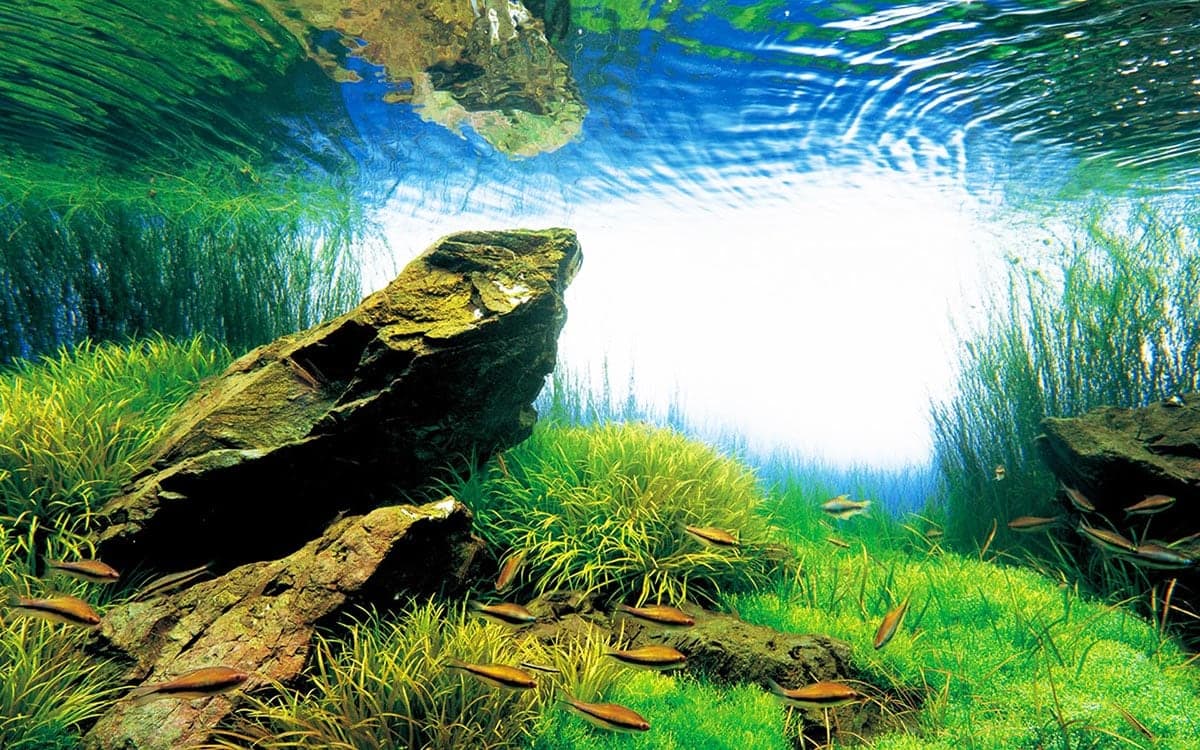
A tank that looks wrong after the third driftwood shuffle usually does not need more staring. It needs another pair of eyes that can spot the crooked focal point, the plant that is fighting the hardscape, or the stone edge that will cause trouble later. That is where aquascaping communities earn their keep: they turn vague inspiration into concrete layout decisions before you spend money on another bundle of stems or a heavier rock.
Why the crowd catches what you miss
Aquascaping has always been social in practice, even when the tank sits alone on a stand. Aqua Design Amano was founded by Takashi Amano in 1982. He built the Nature Aquarium style by bringing ecosystem ideas and other elements from nature into planted layouts. That design language made aquascaping feel like a visual craft with standards, not just a private rearranging exercise, and the hobby’s feedback culture grew up around it.
The strongest community feedback is specific. One aquarist may see an awkward focal point you have gone blind to, while another notices that the right stem plant is overpowering a piece of driftwood that should be the anchor. Good critique also catches practical issues before they become expensive mistakes: a stone edge that looks beautiful but is fish-unsafe, or a substrate choice that makes no sense for the species you want to keep.
What useful feedback actually sounds like
The best comments are rarely “looks great” and leave it there. What helps is the kind of response that points to hardscape balance, scale, and plant compatibility in plain language. If the layout feels top-heavy, someone with experience will tell you the wood needs a wider base or that the stones should be lowered to keep the composition grounded. If the planting looks lush but illogical, another hobbyist may flag that the species you picked will outgrow the space or clash with the tank’s light, depth, or flow.
That kind of feedback also tends to get more granular than beginners expect. In a good critique thread, people will talk about whether the substrate slope supports the perspective you want, whether the focal point lands too close to center, and whether the materials are safe for the fish you plan to keep.
Where the sharpest eyes are hanging out
The old forums still matter because they are built for exactly this sort of exchange. The Planted Tank Forum is an established planted-aquarium discussion community, and Aquatic Plant Central is a forum for aquatic plant owners and enthusiasts. Those spaces are useful because the conversation is not limited to pretty photos. People compare species, techniques, and tank problems in enough detail that you can usually get from “something feels off” to a fix you can actually try.
UK Aquatic Plant Society also plays a role in that same ecosystem. It calls itself one of the world’s best online resources for planted aquariums and aquascaping information. Between those communities, you will see the full range of hobby talk, from CO2 injection systems to driftwood choices for nano tanks. A layout problem rarely exists in isolation. A stem group that looks fine in theory may be wrong once you factor in gas, flow, maintenance access, or the scale of a 20-liter tank.

Why the contest culture shaped the feedback loop
Public critique did not become central to aquascaping by accident. The International Aquatic Plants Layout Contest says its first contest drew 557 entries from 19 countries. By 2024, the contest counted 1,450 entries from 79 countries and areas. IAPLC presents itself as a world-class planted aquarium event and shares results and rankings internationally.
That same open, evaluative spirit also shows up in the Aquatic Gardeners Association’s International Aquascaping Contest. The group says it is the longest-running aquascaping contest and the first online competition of its kind. AGA calls the contest a friendly way for hobbyists to share their aquascaping efforts and learn better techniques through the display and evaluation of those efforts.
How to get better answers from the community
The fastest way to waste a feedback thread is to ask for “thoughts” and post one blurry photo. The better approach is to show enough of the tank that people can judge proportion and placement, then ask about the part that actually feels uncertain. If you are deciding between two hardscape arrangements, post both. If you are unsure whether the plant mass is too heavy on one side, say that directly and let people judge balance instead of the vibe.
- a straight-on photo with the tank lit the way you actually run it
- a note on tank size, because scale changes everything
- the hardscape materials, especially if you are choosing between wood and stone
- the plant list, so people can flag compatibility issues early
- the livestock plan, so safety questions do not get missed
A useful critique post usually gives people enough to evaluate the whole composition:
A piece of stone with sharp edges can be a design mistake even when it photographs well. A substrate that looks rich and dark may still be the wrong call if it undermines the plants or the animals you want to keep.
The real payoff is faster iteration
Aquascaping communities are not just a place to hear that your tank is “nice.” They are where you find out that the wood is too centered, the foreground is too busy, or the planting will not hold its shape once it grows in. They help you move from a vague idea to a layout that fits the tank, the livestock, and the scale of the composition.
This article was produced by Prism’s automated news system from verified source data, official records, and press releases, then run through automated quality and moderation checks before publishing. The system is built and supervised by the people who set the standards it runs under. Read our full AI policy.
Did this article answer your question?