How to build a planted aquascape without substrate
A bare-bottom planted tank is a deliberate aquascaping move when hardscape and epiphytes do the work. The payoff is cleaner maintenance and sharper layouts.
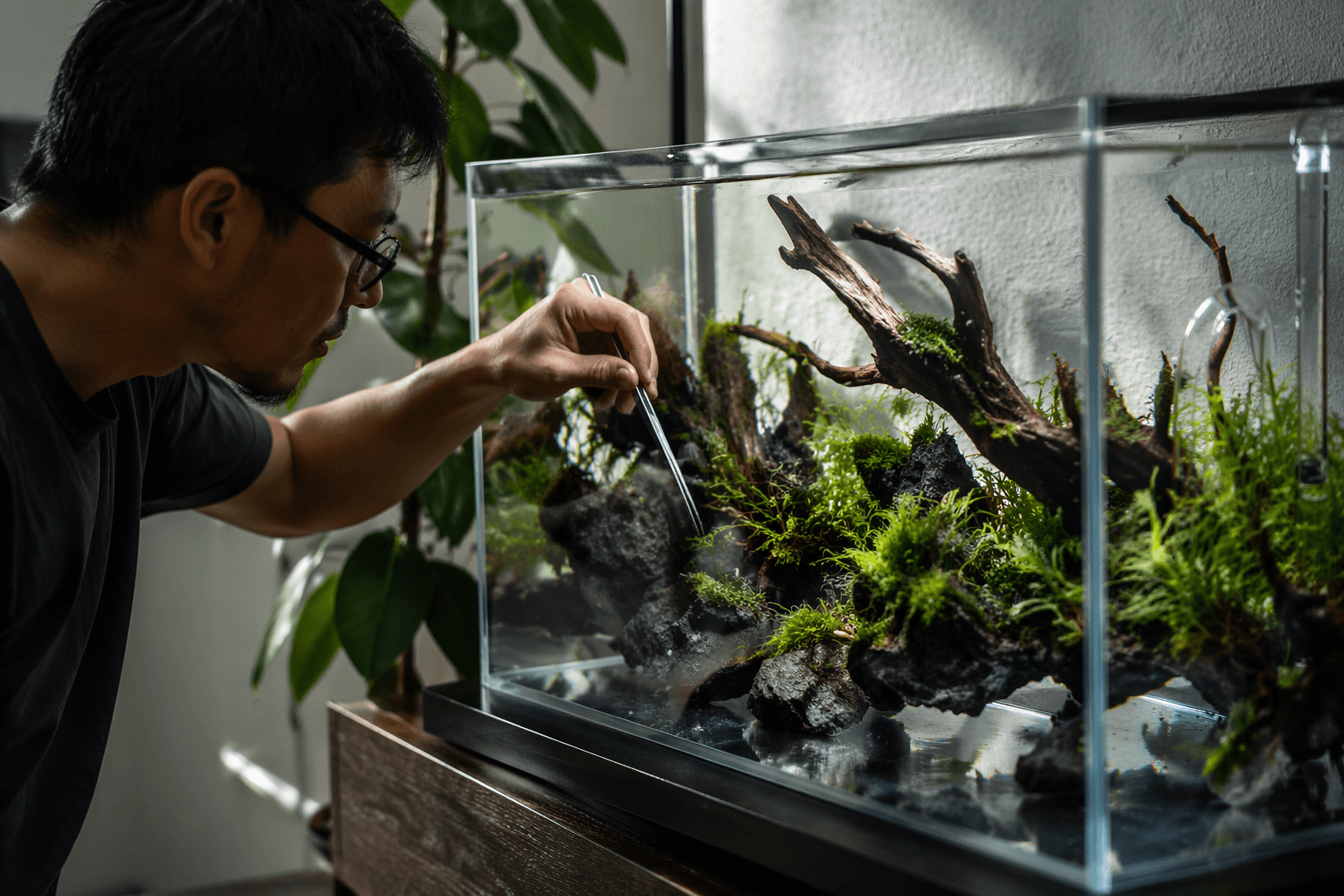
Driftwood, porous rock, and epiphytes can carry a planted aquascape without any substrate. A bare-bottom tank keeps the hardscape in focus, keeps the bottom easy to clean, and limits planting to species that thrive attached to wood, rock, or the water column.
Why bare-bottom works
The practical case is straightforward. With no gravel or soil trapping waste, detritus and leftover food are easier to siphon out, which helps keep ammonia and nitrite spikes from building in the first place. Water stays cleaner because there is less organic muck collecting on the floor, and algae pressure often drops for the same reason: fewer pockets of decaying debris means fewer localized nutrient dumps.
Maintenance is faster too. A bare bottom lets you vacuum directly, instead of digging through a substrate bed and hoping you do not stir up a mess. That makes this style especially useful in tanks where cleanliness matters, in displays built for crisp sightlines, and in layouts that depend on rocks and driftwood rather than a deep planted carpet.
Build the scape around hardscape, not soil
This approach sits comfortably inside the Nature Aquarium tradition that Takashi Amano built after founding the style in Niigata, Japan, in 1954. Nature Aquarium is a design system shaped by natural layouts and hardscape, and Aqua Design Amano’s products and layouts have reflected Amano’s ideas for roughly 25 years. The plants support the scene instead of defining it.
Triangular, convex, and concave layouts are the three basic patterns in ADA’s composition language. Those shapes still work without substrate because they are really about mass, negative space, and line. A triangular layout can rise from one side of a stone group or wood branch. A convex layout can push outward with a central mound of hardscape. A concave layout can open a valley in the middle and make the empty bottom part of the design.
Choose plants that belong on hardscape or in the water column
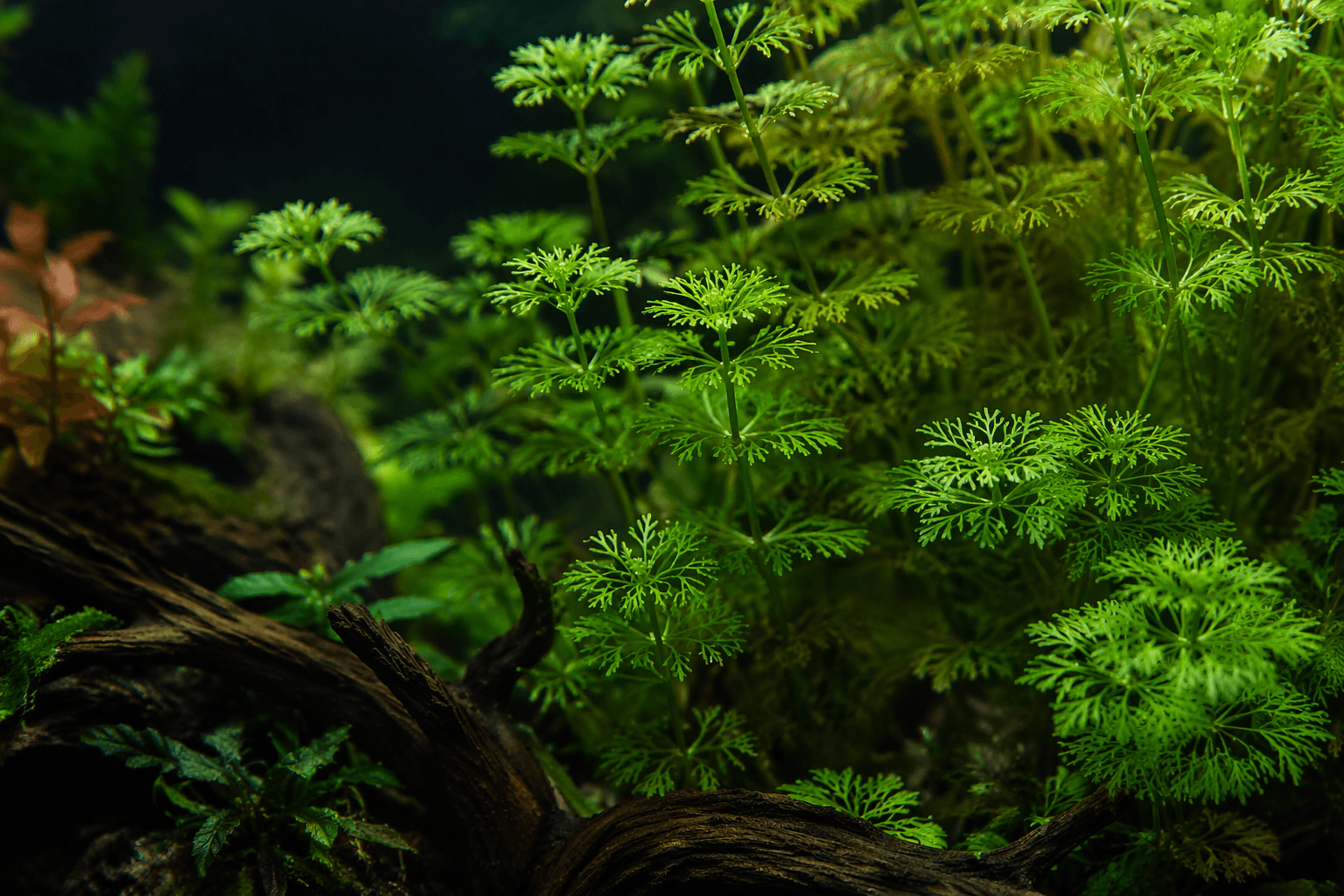
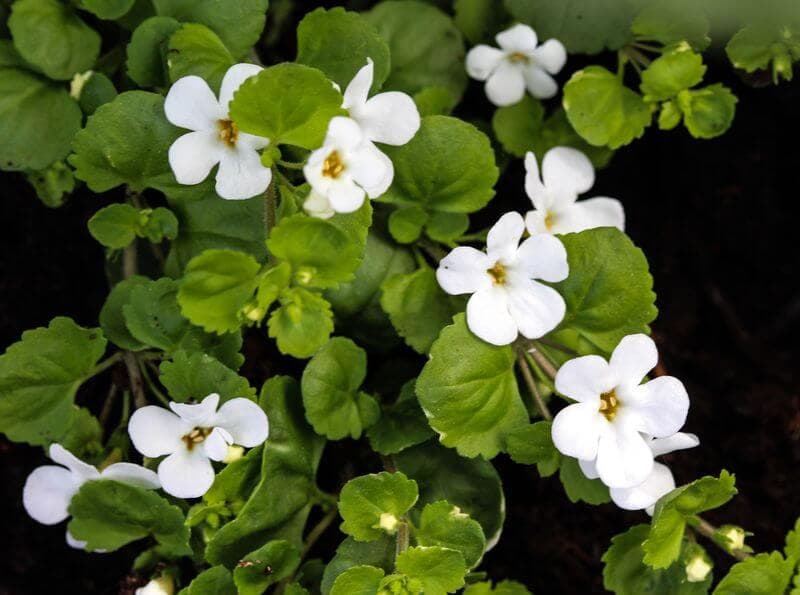
Not every plant can live this way, and that is the first discipline you need to accept. The safest choices are epiphytes and floaters. Anubias, Bucephalandra, Java Fern, and Java Moss are the workhorses here because they attach to hardscape instead of needing to be buried. Hornwort, Amazon Frogbit, and Water Lettuce can fill in the upper layers and pull nutrients from the water column.
In ADA’s Aqua Journal, epiphytes often take a long time to reach maturity in layout scenes. In a substrate-free tank, that slow pace helps them hold shape and respect the composition.
Planting without substrate is really attaching, not burying
The method is simple, but the details matter. Start by placing your rocks and driftwood first, because the hardscape is the skeleton of the tank. Then tie or secure epiphytes directly to the surface with thread, fishing line, or another safe attachment method. Leave rhizomes exposed on Anubias, Java Fern, and Bucephalandra, because burying them can cause rot.
A practical sequence
1. Set the hardscape before you think about planting. The line of a branch or the tilt of a stone determines where the plants will read from across the tank.
2. Attach epiphytes to porous rock or wood. They will usually root onto the surface in about 4 to 8 weeks once tied in place.
3. Keep rhizomes above the surface. If they disappear into gravel or soil, you are asking for rot.
4. Add floaters after the layout is stable. Hornwort, Amazon Frogbit, and Water Lettuce are useful because they work in the upper water column without competing with the hardscape for attention.
Feed through the water, not the substrate
Without soil, nutrient strategy changes fast. Rhizome plants absorb nutrients primarily from the water column, so liquid fertilizer becomes part of the routine instead of an optional extra. Aquarium Co-Op recommends feeding these plants with an all-in-one liquid fertilizer as needed.
Carbon supplementation can help too, especially with slow-growing epiphytes. That does not mean dumping in more and hoping for the best. It means keeping a steady, measured nutrient column so the plants can grow without leaning on buried root zones that are not there.
What you give up
You give up rooted carpets and the lush, soil-fed look that comes with them. If your idea of a planted tank depends on burying stems, piling in root tabs, and building a meadow from the floor up, this is not the same game. The trade-off is visible structure, easier cleaning, and a layout centered on hardscape.
This article was produced by Prism’s automated news system from verified source data, official records, and press releases, then run through automated quality and moderation checks before publishing. The system is built and supervised by the people who set the standards it runs under. Read our full AI policy.
Did this article answer your question?