Why low-tech planted aquariums can thrive without CO2
Low-tech planted tanks are not a compromise. For many aquascapers, they are the steadier, cleaner way to build a lush scape that stays beautiful with less gear and less fuss.
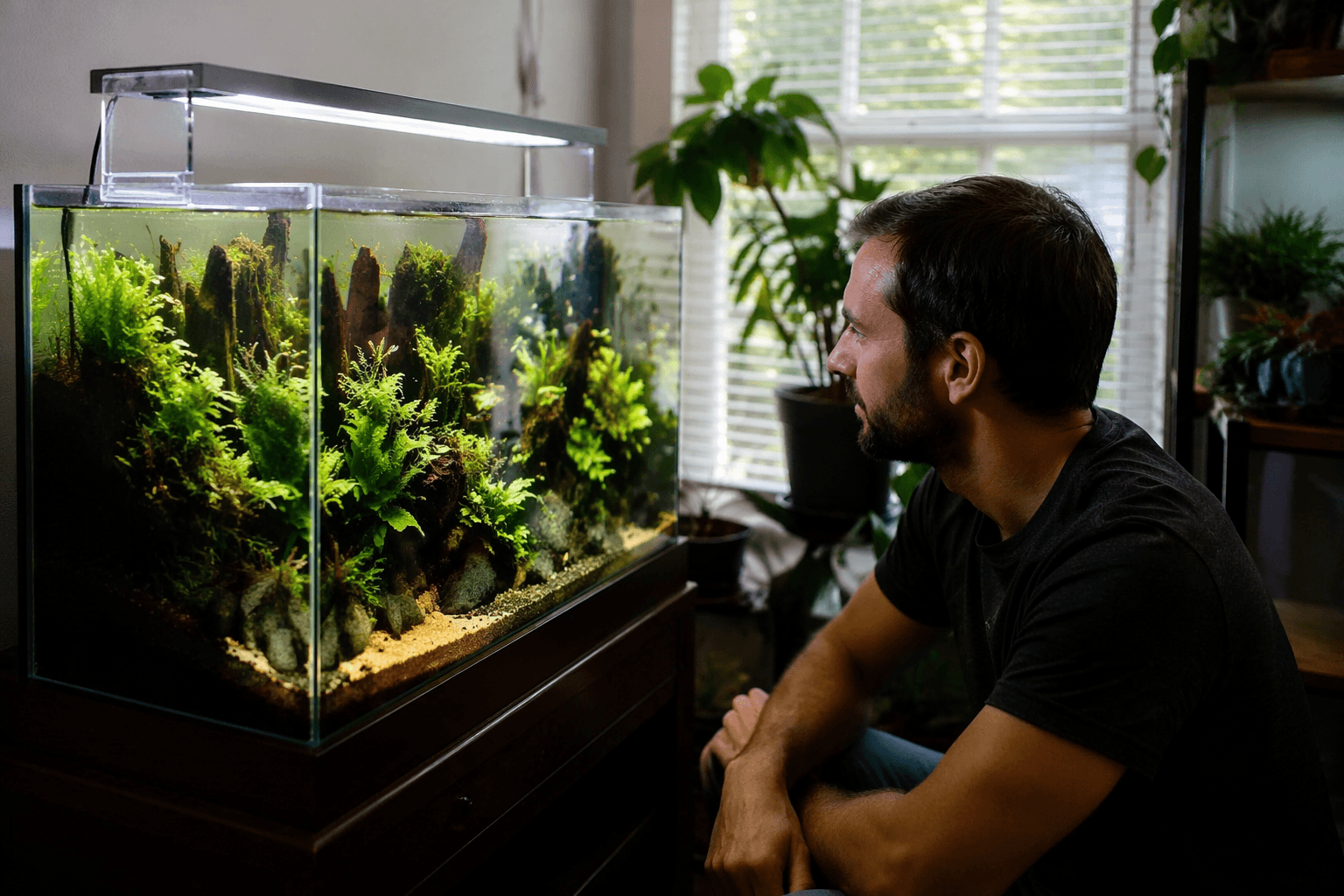
A low-tech planted aquarium runs without injected carbon dioxide. The strongest low-tech tanks trade frantic growth for steadier water, lighter maintenance, and a look that ages well instead of demanding constant correction.
What low-tech really means
In planted-tank circles, “low tech” has never meant crude or unfinished. It does not describe tanks that lack modern equipment altogether. The point is not to build a stripped-down system, but to build one with fewer moving parts and less volatility.
Thriving planted aquariums without CO2 injection are well within the capabilities of most people in the hobby, which is why low-tech is best understood as a valid style of aquascaping rather than a beginner shortcut.
Why the no-CO2 tank is often the calmer tank
The biggest advantage is stability. Once you remove pressurized CO2, regulators, diffusers, solenoids, and the daily tuning that comes with them, you also remove one of the most common sources of swings in a planted aquarium. pH and KH tend to move less in a no-CO2 setup, and that can make life easier on fish and on the person maintaining the tank.
The second advantage is cost. Fluval classifies low-tech aquariums as less expensive and high-tech aquariums as more expensive. That difference is not only about the first purchase. Skip the CO2 cylinder and you also skip refill expenses, and that adds up over time.
The third advantage is maintenance. Fluval groups low- to medium-light plants as needing less maintenance, lighting, and nutrient input than high-light plants. Slower growth means less pruning, less replanting, and fewer weekends spent trimming a jungle back into shape.
Who actually benefits most from low-tech aquascaping
The no-CO2 route makes the most sense if you want a planted tank that looks good without turning into a technical project. It suits aquarists who want a relaxed routine, a tank that is less sensitive to small mistakes, and a setup that stays visually strong even when life gets busy.
Aquarium Co-Op advises beginners to start with easy, slow-growing plants that need low lighting and an all-in-one fertilizer.
What has to change in your aesthetic expectations
Low-tech tanks do not usually deliver the manicured, fast-cut look of a high-light, CO2-injected scape. If you expect explosive growth, vivid pearling every day, and constant vertical climb, you will be disappointed. The better frame is slower texture, stronger plant health, and a composition that settles in rather than racing forward.
That slower pace is part of the visual identity. A low-tech aquarium often looks more natural because plants, fish, and microorganisms have time to establish a steady balance. Aquifarm’s June 28 guide frames the goal as a stable aquatic ecosystem that is less prone to sudden algae outbreaks or plant melt, not a miniature factory for growth.
The plant list that makes low-tech work
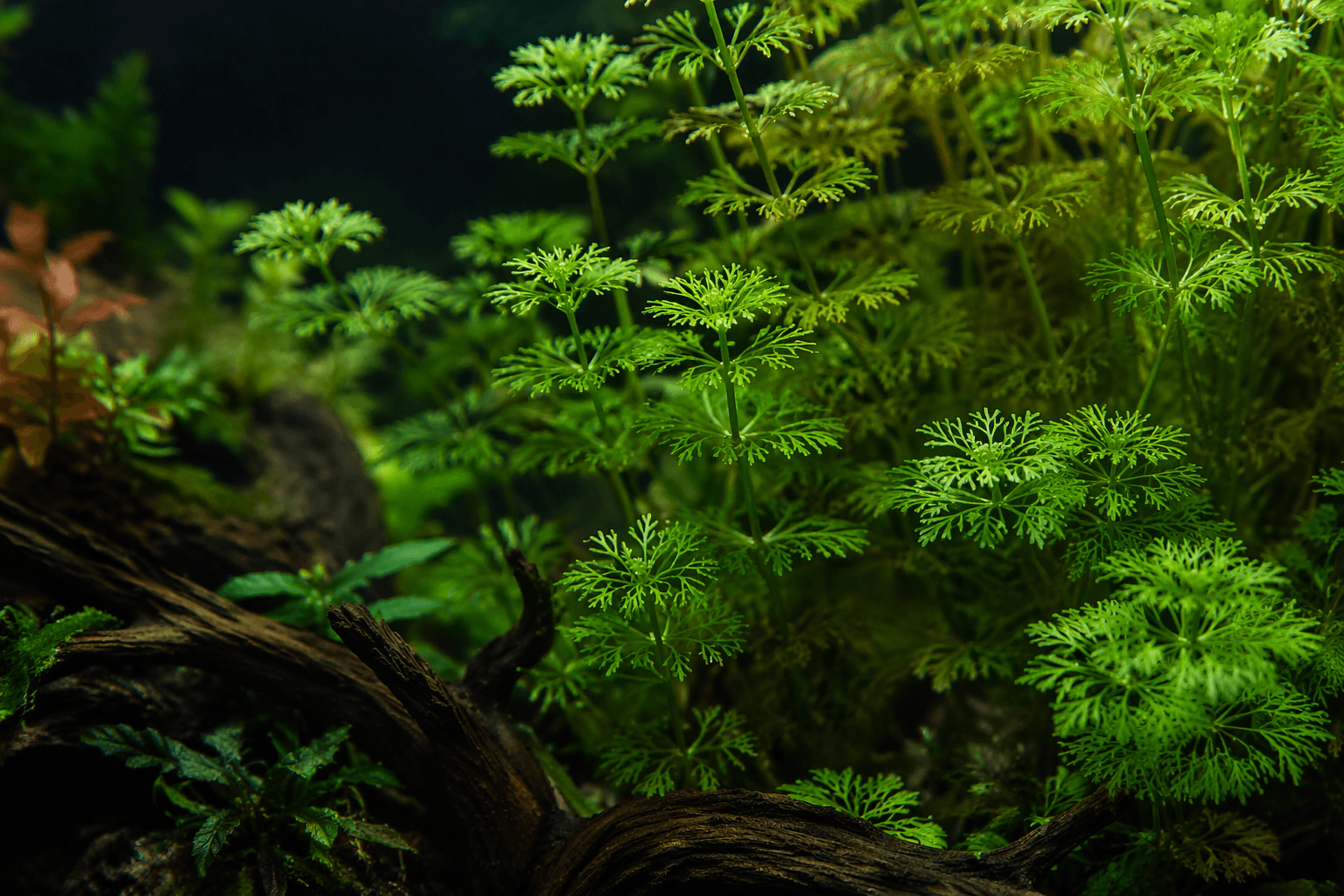
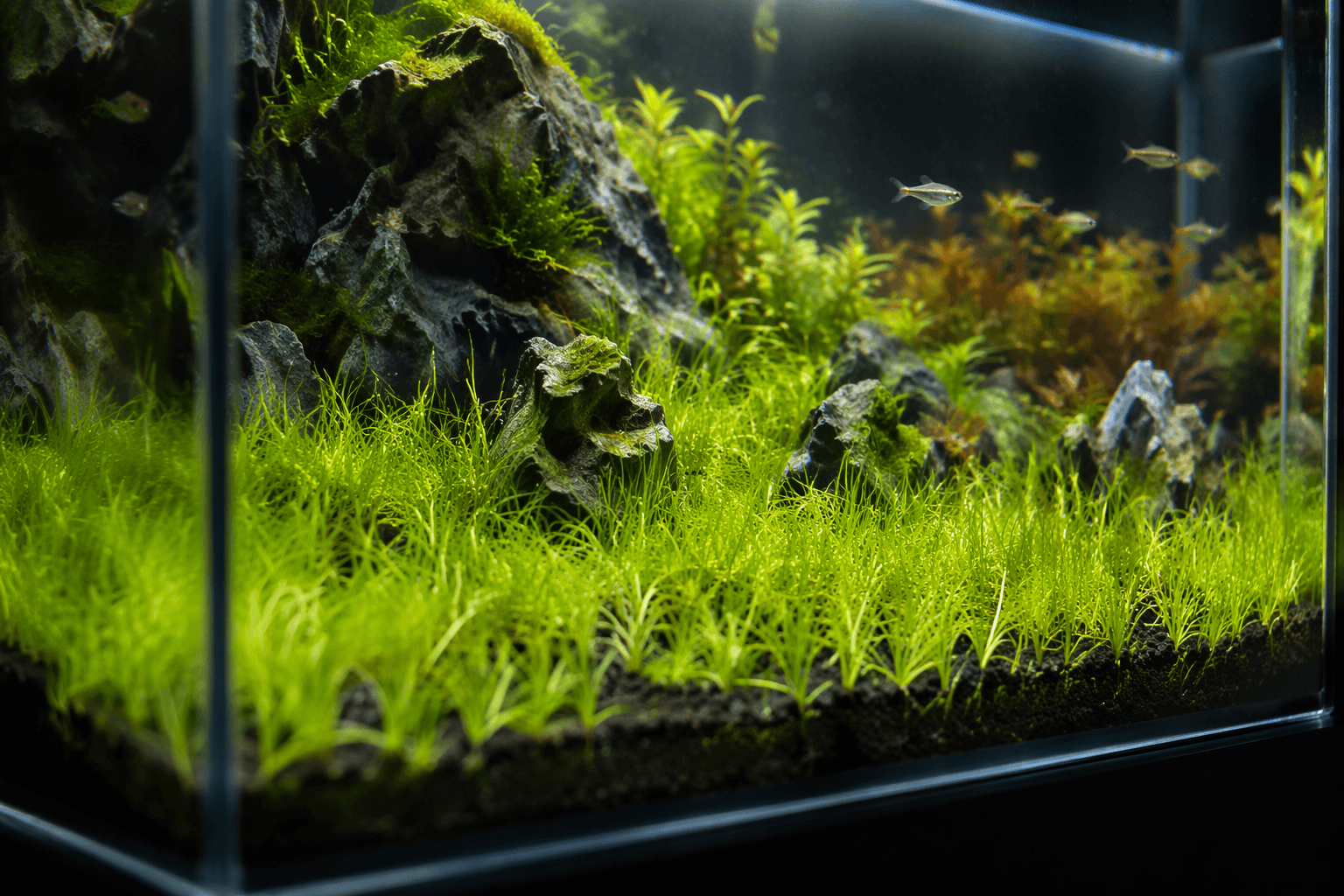
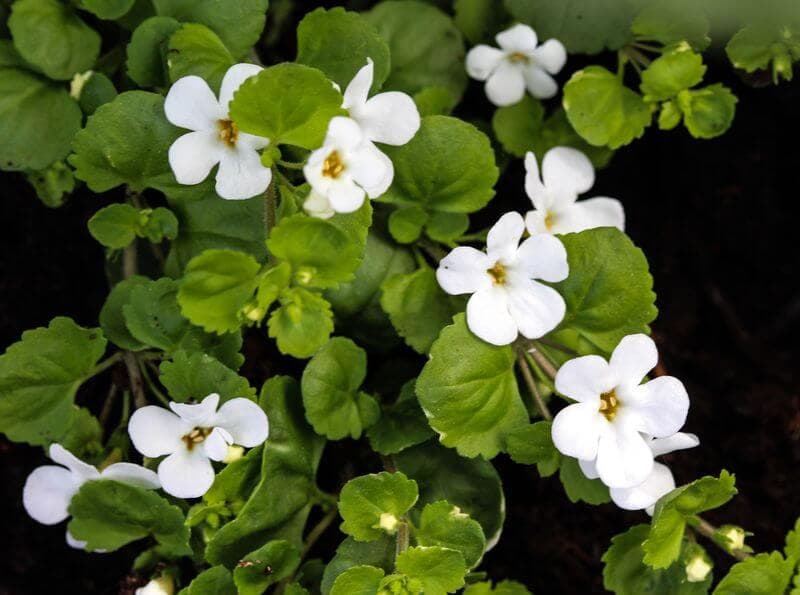
Species choice does most of the heavy lifting here. The 2Hr Aquarist low-CO2 list includes Java fern, Anubias, water wisteria, dwarf sagittaria, Vallisneria, Ludwigia repens, Java moss, Marsilea, Rotala rotundifolia, pearlweed, sword plants, red and green lotus, and water sprite. Crypts are especially tolerant of low CO2, which is one reason they show up so often in low-tech layouts.
Aquarium Co-Op classifies demanding types such as dwarf baby tears and dwarf hairgrass as plants that generally need CO2 for the best chances of success.
Lighting, fertilizer, and balance still matter
Going without CO2 does not mean ignoring the other parts of the system. Aquarium Co-Op treats CO2 as only one of the three main components, alongside lighting and fertilizer. If you push light too hard without matching plant mass and nutrients, algae can still take over.
That is why lower light is so often recommended in low-tech aquascaping. Less intense lighting reduces the pressure on the system and makes algae control less forgiving only in the good direction, by limiting the engine that drives explosive growth.
The setup that gives low-tech its best chance
The 2Hr Aquarist recommends shallow tanks, medium light, and soil-based substrates for low-tech success. A shallower tank makes it easier to get usable light to the plants. Medium light gives you enough energy for growth without pushing the tank into constant maintenance. Soil-based substrates add a long-term nutrient store and help bacterial colonization, which can stabilize the aquarium environment.
That substrate choice also fits the broader low-tech logic. The organic decomposition of soil releases carbon that can support plant growth, while the bacterial life in the substrate helps the tank mature into a more stable system.
How this became a real aquascaping philosophy
The low-tech argument makes more sense once you place it in the history of planted tanks. Takashi Amano’s Nature Aquarium style emerged in the 1990s and helped turn aquarium gardening into a global visual language. His three-volume Nature Aquarium World series sparked widespread interest in that style.
Aquasabi dates a key technical marker to 1987, when Aqua Design Amano commercialized the world’s first CO2 small cartridge for aquarium use. Amano was experimenting with CO2 supply methods decades ago, at a time when many people still doubted whether injection into aquariums really worked. He died on August 4, 2015, at age 61.
This article was produced by Prism’s automated news system from verified source data, official records, and press releases, then run through automated quality and moderation checks before publishing. The system is built and supervised by the people who set the standards it runs under. Read our full AI policy.
Did this article answer your question?