Don Pettit captures Milky Way over Earth lights from the ISS
Don Pettit turned a Nikon Z9 and a homemade sidereal tracker into Milky Way frames from orbit, even with Earth’s city lights burning below.

Don Pettit made the Milky Way look close enough to touch from the International Space Station, but the real story is the problem-solving behind the frame: a Nikon Z9, a homemade sidereal tracker and a view that had to compete with bright city lights below. His orbiting images turn the ISS into a working astrophotography rig, not just a postcard window.
NASA identified one of Pettit’s standout frames as a Jan. 29, 2025 Milky Way image taken while the station was orbiting about 265 miles above the Pacific Ocean off the coast of Chile, just before sunrise. That timing matters. Shooting from orbit meant balancing long exposures against the glow of Earth, the station’s motion and the narrow window before dawn washed out the sky. Pettit’s long-exposure city-lights frames and atmospheric glow shots show the same constraint from a different angle: the subject was always changing, and the lighting was never clean.
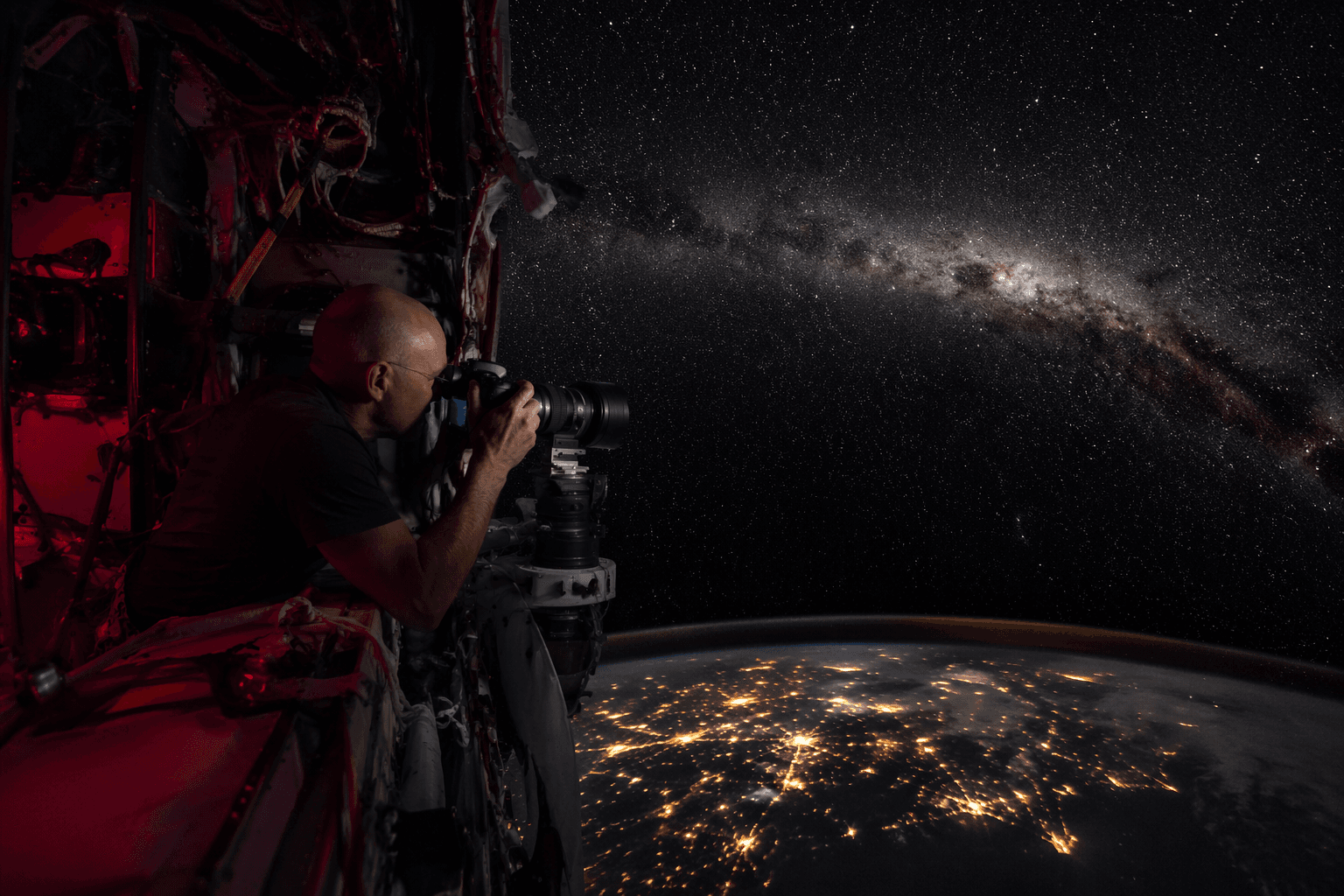
Royal Museums Greenwich said Pettit’s star-field time exposures during Expedition 72 were captured between October 2024 and March 2025 using a homemade sidereal star tracker. That detail is the one terrestrial shooters should linger on. Pettit did not wait for perfect hardware to appear in orbit. He adapted the gear he had, built what he needed and used it to hold stars steady against the ISS’s ever-shifting vantage point. For astrophotographers used to fighting field rotation and tracking drift on the ground, that kind of improvisation hits home. The tool matters, but the workaround matters more.
NASA’s ISS photo coverage says the cupola is the station’s premier Earth-observation location and the ideal place for photography, and Pettit often set up cameras there. He was in the midst of a seven-month mission on Expedition 72 when NASA said he was scheduled to return home in mid-April 2025. Pettit and his crewmates, Suni Williams, Alexey Ovchinin and Ivan Vagner, landed in Kazakhstan on April 19, 2025, after 220 days in space across Expeditions 71 and 72. NASA said the crew dedicated more than 1,000 combined hours to scientific research and technology demonstrations while Pettit treated his camera work as part of his “science of opportunity” approach.
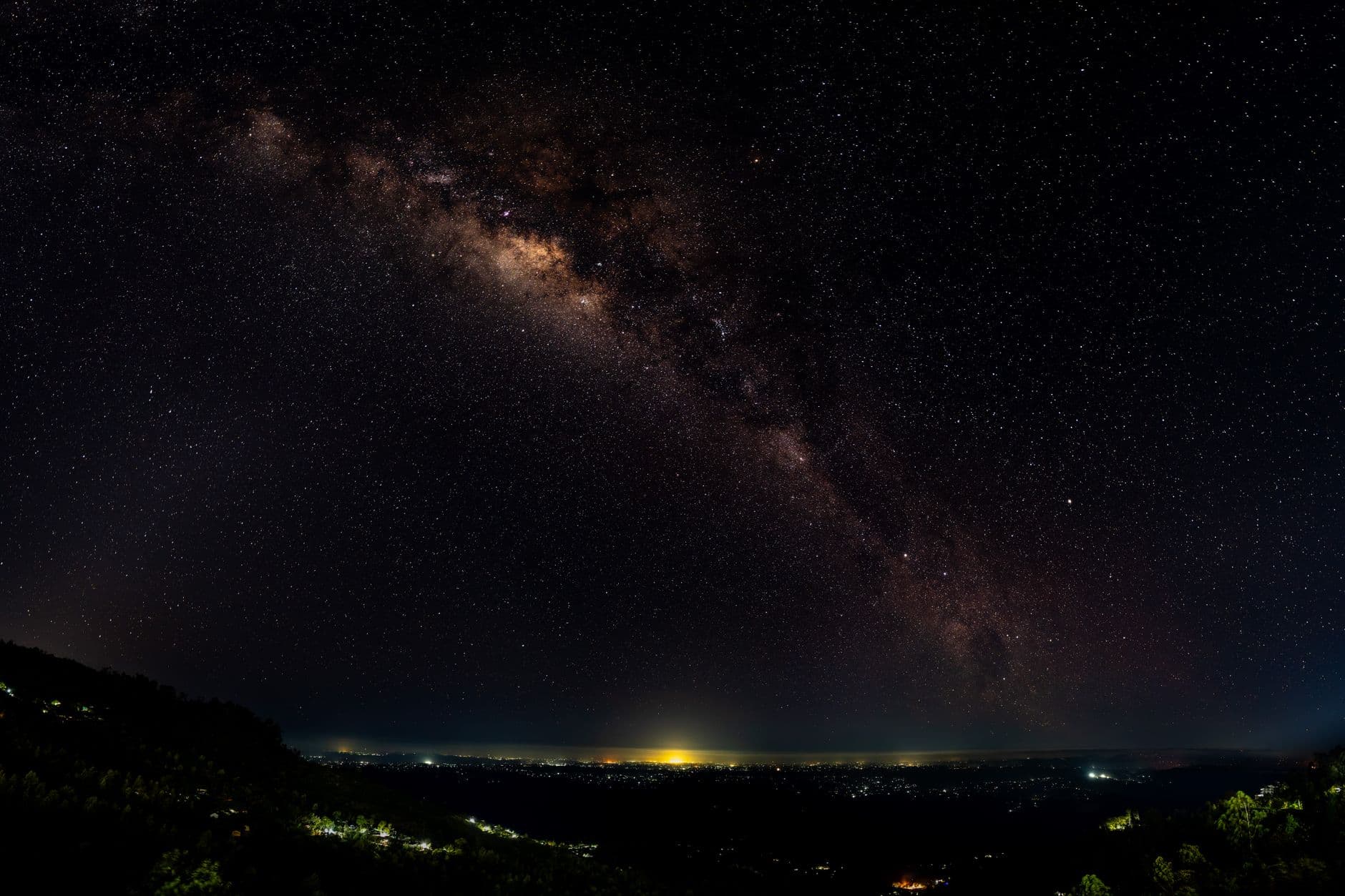
That approach has made his orbit images feel less like lucky snapshots and more like field-tested astronomy work. NASA hosted an in-flight interview with Pettit about photography on Dec. 9, 2024, and later highlighted him again alongside Matt Dominick in a podcast on astronaut photography. The lesson in all of it is simple: when the Milky Way is framed by Earth’s city lights from the ISS, the winning move is not more gear. It is building a tracker, choosing the right window and making the shot work anyway.
This article was produced by Prism’s automated news system from verified source data, official records, and press releases, then run through automated quality and moderation checks before publishing. The system is built and supervised by the people who set the standards it runs under. Read our full AI policy.
Did this article answer your question?