Backyard chicken costs add up before the first chick arrives
The cheap-egg dream gets pricey fast. A real flock budget starts with the coop, fencing, and gear, then keeps going with feed, bedding, and health costs.
The fantasy is simple: a few hens in the yard, fresh eggs in the basket, maybe a little table scrap nostalgia along the way. The reality is more stubborn. Before the first chick ever peeps in your brooder, you are already making a budgeting decision about housing, feed, protection, and the gear that keeps the whole setup from becoming a mess.
Startup costs come first
The first mistake is pricing only the birds. Chicks or started pullets are just the beginning; the real startup bill is the structure around them. University extension budgeting guides treat the coop as a fixed cost you use year after year, while feed is variable and keeps changing with every bag you buy. That is the right way to think about it, because the coop does not go away after one season, but the feed bill absolutely does.
A sensible flock budget has to include the birds themselves, the coop, feeders, waterers, feed storage bins, bedding, and egg-collection containers. That list sounds basic until you start adding it up. Once you include predator-proofing and perimeter protection, the cheap backyard chicken dream starts looking a lot more like a small livestock project, which is exactly what it is.
Build the coop like it matters
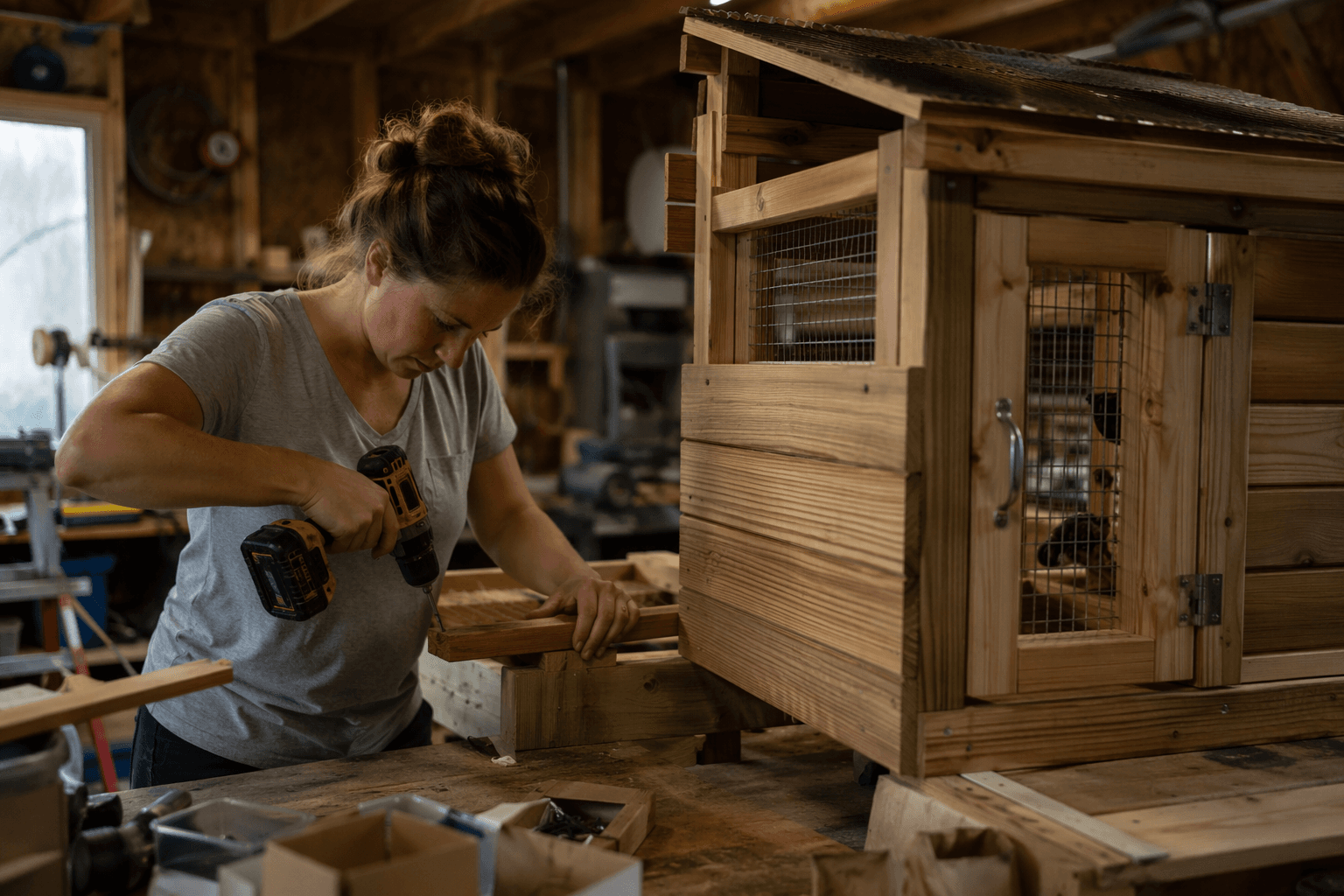
If you get the coop wrong, everything else gets harder. Oregon State University Extension says the first thing to do is build the coop, and it recommends about one foot of roost space per bird, with roofline ventilation to help control heat and humidity. Tennessee State University Extension puts the adult space requirement at about 4 to 5 square feet per bird, which is a good reminder that cramped housing is not a bargain.
That square footage matters because chickens need more than a dry box to sleep in. They need room to roost, move, and stay healthier through heat, moisture, and weather swings. When you undersize the coop, you usually pay for it later in repairs, mess, stress, and birds that do not thrive as well as they should.
The bills do not stop after the first bag of feed
Oklahoma State University Extension makes the cleanest distinction here: feed is a variable cost, and the coop is a fixed one. Penn State Extension adds to that variable list with bedding, repairs, packaging, interest, and labor. That is the part many first-time keepers underestimate, because it is easy to focus on the one-time purchases and ignore the expenses that keep showing up every week or every month.
Feed is the big one. Oklahoma State Extension says grain prices have skyrocketed, and the cost of feeding chicks has gone up along with the cost of food and eggs in the grocery store. That is not a small detail. If you are buying feed in today’s market, the operating cost of a flock is not some background number, it is the engine of the whole budget.
Bedding is another hidden drain. It seems minor when you buy one bale or one bag, but bedding gets used, changed, and replaced. Add in repairs, broken hardware, worn latches, and the occasional replacement feeder or waterer, and the ongoing cost of keeping chickens starts to look a lot less tidy than the “eggs are free” pitch you hear online.
Predator-proofing is part of the budget, not an optional upgrade
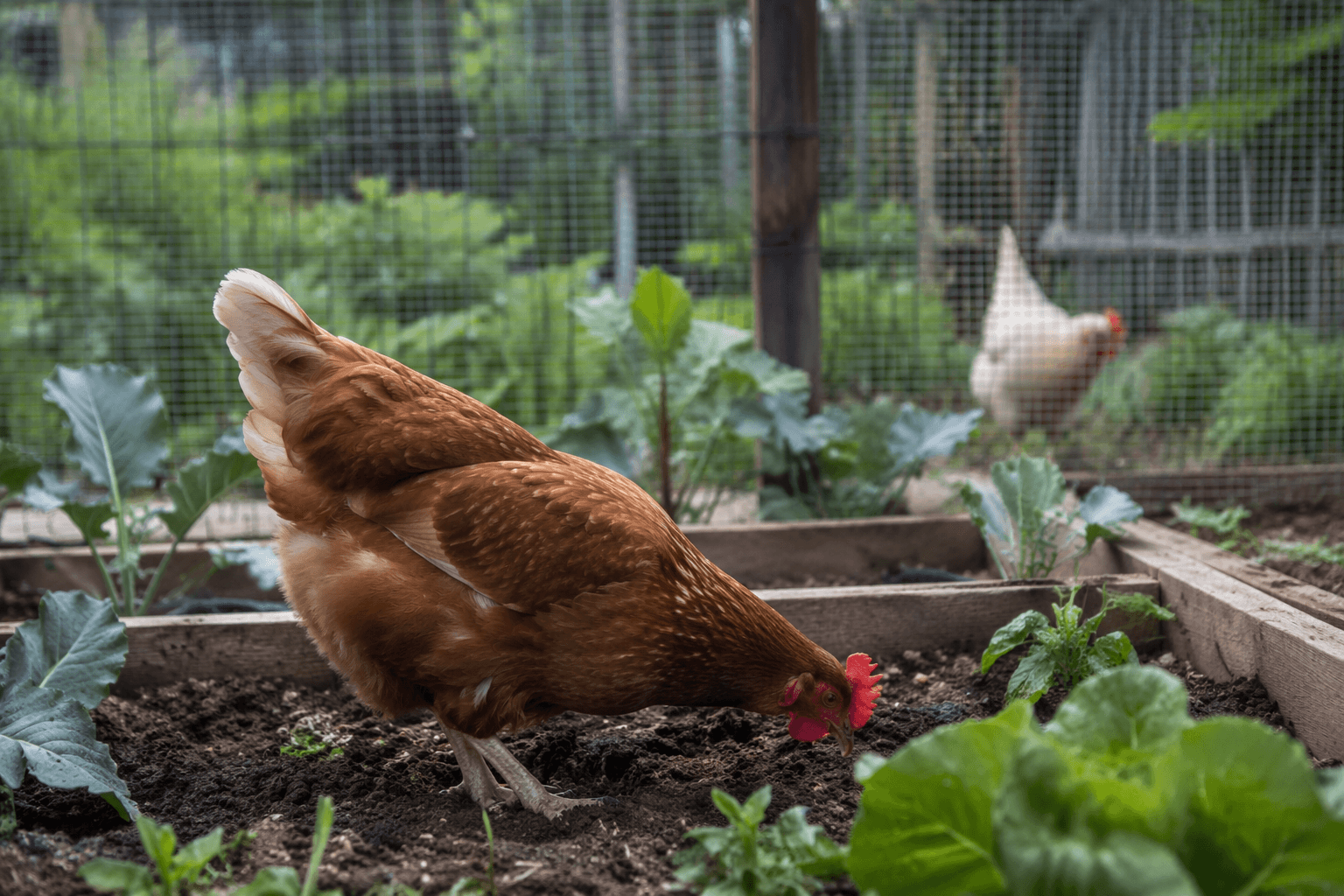
A flock that is easy to reach is a flock that is easy to lose. Oklahoma State notes that many backyard chickens live much longer than three years if predation is avoided, which is a blunt way of saying your setup matters as much as your breed choice. Fencing, secure coop doors, sturdy wire, and locked nighttime housing are not luxury features. They are part of the real cost of ownership.
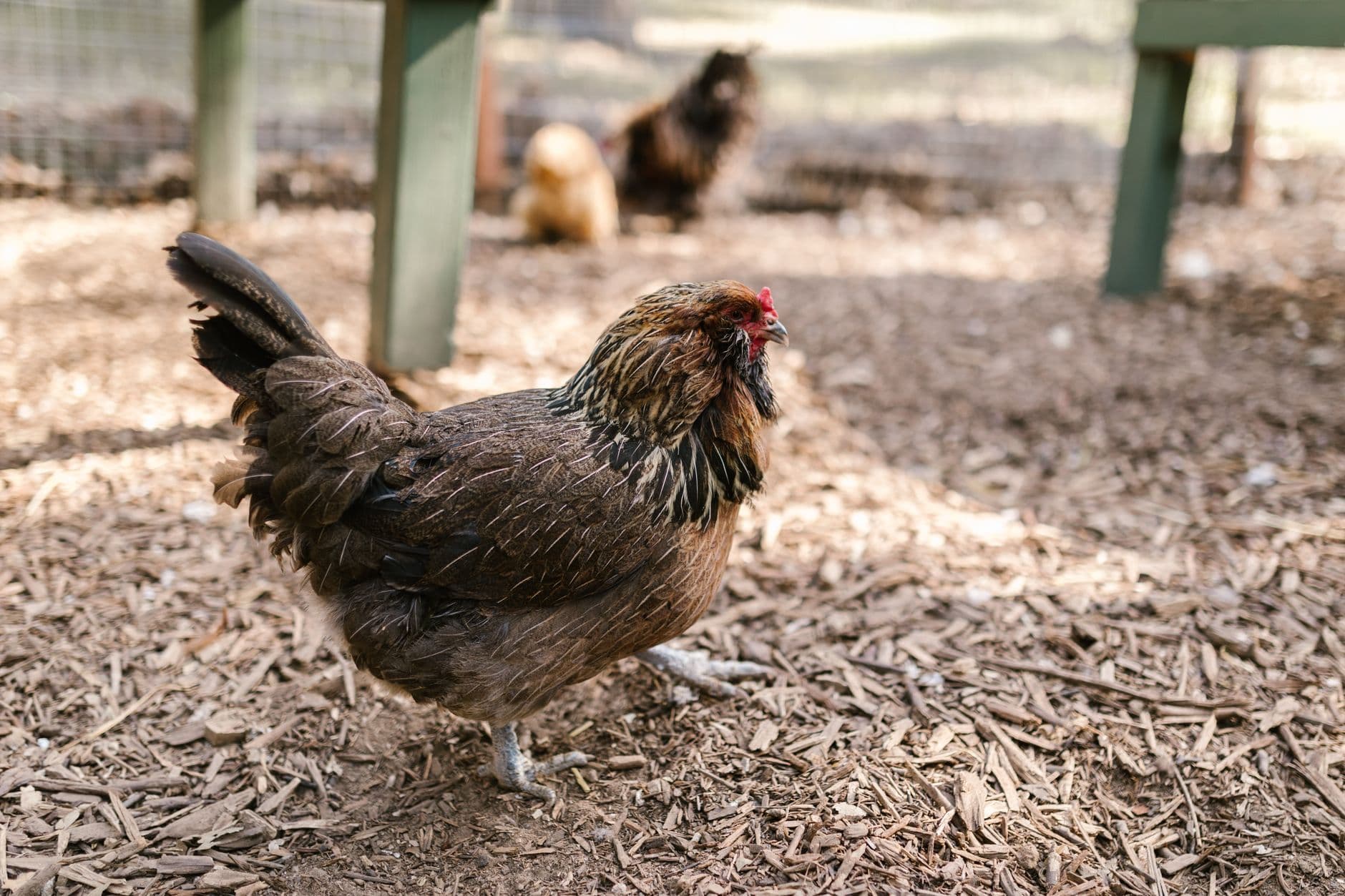
This is where the budget separates serious keepers from dreamers. If you skimp on protection, you may save money on the front end and pay it back in birds, repairs, and stress. A “good enough” fence is rarely good enough for long.
Biosecurity is now part of flock economics
Disease prevention is not just a health issue. USDA APHIS says America’s poultry continues to be at risk from highly pathogenic avian influenza, and its Defend the Flock program offers free biosecurity tools and resources for poultry owners and handlers. That free guidance does not erase the cost of doing biosecurity right, because safe setups still take labor, planning, separation from wild birds, and often extra fencing or cleaning supplies.
CDC research published in 2026 found that education about avian influenza can help backyard flock owners better protect their flocks and families. That matters financially, too. A smarter biosecurity routine can help you avoid losses that are much more expensive than a bottle of disinfectant or a better way to store feed.
Know what the eggs are really buying you
This is the part that keeps people honest. A 2025 explainer on backyard chicken economics says a family of four eats about 1,100 eggs a year, and feed for a small four-hen flock may run about $180 to $200 annually. That gives you a useful frame: the egg payoff is real, but so is the ongoing feed bill.
If you are keeping chickens purely to beat the grocery store, run the numbers carefully. If you value freshness, self-sufficiency, and the daily rhythm of keeping birds, the economics can make sense in a different way. Alliant Credit Union’s 2025 explainer gets at that balance: the question is not just whether chickens save money, but whether the value you place on fresh eggs and self-reliance is worth the full cost of getting there.
Put your flock budget on paper before you buy birds
The cleanest way to avoid sticker shock is to split your budget into startup and ongoing costs.
- chicks or started pullets
- coop and run materials
- fencing or other perimeter protection
- feeders and waterers
- feed storage
- bedding
- egg-collection containers
- basic tools that make cleaning and care easier
Startup should include:
- feed
- bedding replacement
- repairs
- cleaning supplies
- predator-proofing upkeep
- health and veterinary care when needed
- any extra equipment as the flock grows
Ongoing costs should include:
Once you write those categories down, the picture gets clearer fast. Backyard chickens can be affordable for many families, but they are never free, and they are definitely not a one-time purchase. The smart money goes into the coop, the fence, the feed, and the habits that keep the birds alive long enough for those eggs to feel worth it.
This article was produced by Prism’s automated news system from verified source data, official records, and press releases, then run through automated quality and moderation checks before publishing. The system is built and supervised by the people who set the standards it runs under. Read our full AI policy.
Know something we missed? Have a correction or additional information?
Submit a Tip