Backyard chicken flocks grow despite weak returns, owners want fresh eggs
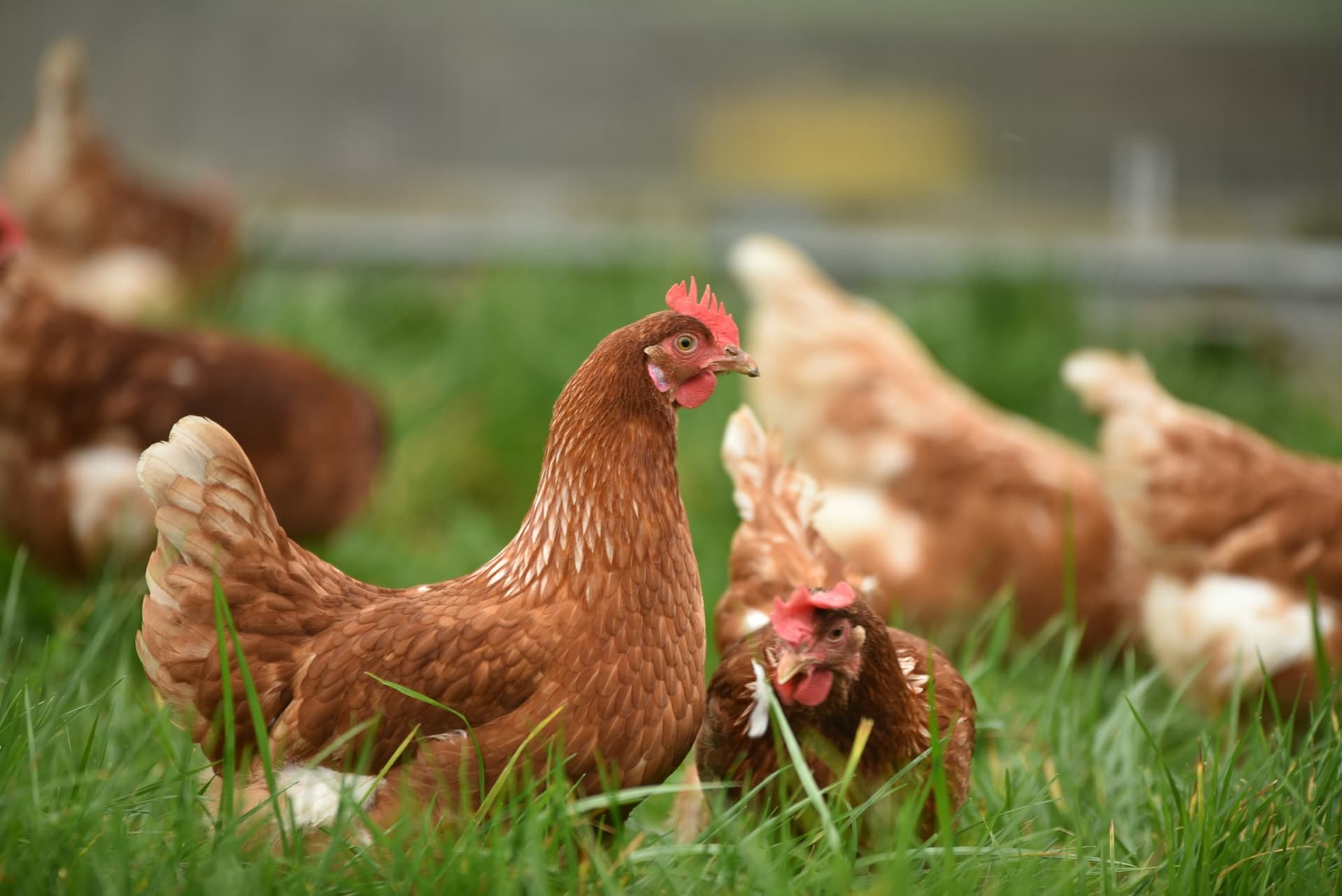
Backyard chickens rarely pay for themselves on eggs alone, but fresh food, family value and the pleasure of keeping a working flock keep demand high.

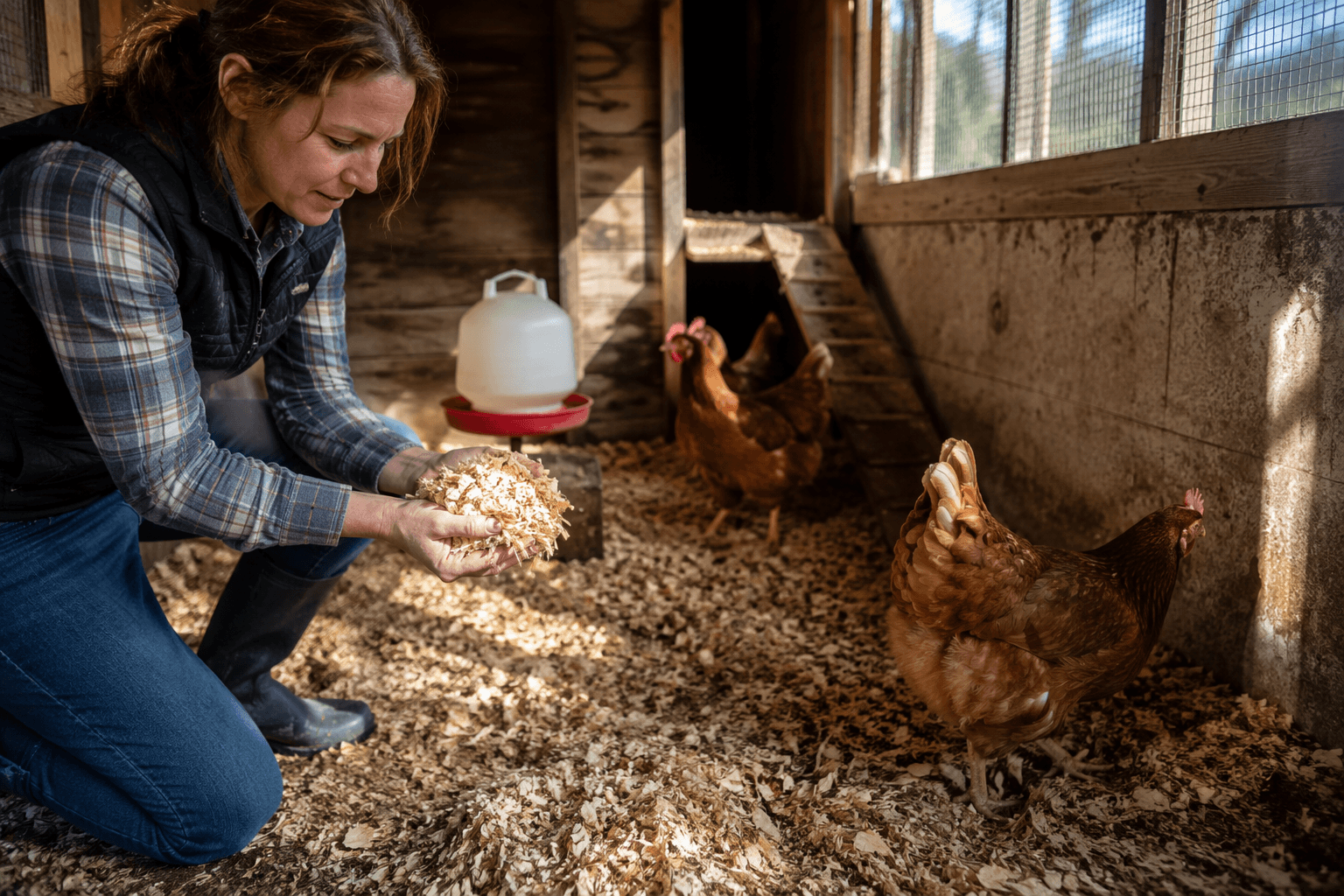
A backyard coop looks cheaper from a distance than it does in a feed bill. The startup math, coop maintenance, bedding, feed and eventual replacement birds usually outrun the value of the eggs, which is why the flock often makes more sense as a household system than as a savings plan. Owners keep expanding anyway.
Why the numbers stay stubborn
The problem starts with visibility. USDA National Agricultural Statistics Service data show flocks with more than 30,000 layers account for over 81 percent of all layers, so the birds in suburban yards barely register in the official egg-production picture. That makes backyard chicken keeping feel bigger on neighborhood streets than it does in national totals, even as interest keeps growing in urban and suburban areas.
USDA Animal and Plant Health Inspection Service has been trying to measure that growth more directly. Its Backyard Animal Keeping 2024 study compared chicken ownership in Denver, Colorado, and Miami, Florida, against 2012 levels after ownership increased during the COVID-19 pandemic. The survey also examined how people’s beliefs about chicken ownership changed between 2012 and 2024.
USDA and APHIS use the National Animal Health Monitoring System to conduct national studies on U.S. livestock and poultry health and management.
What the birds actually give you
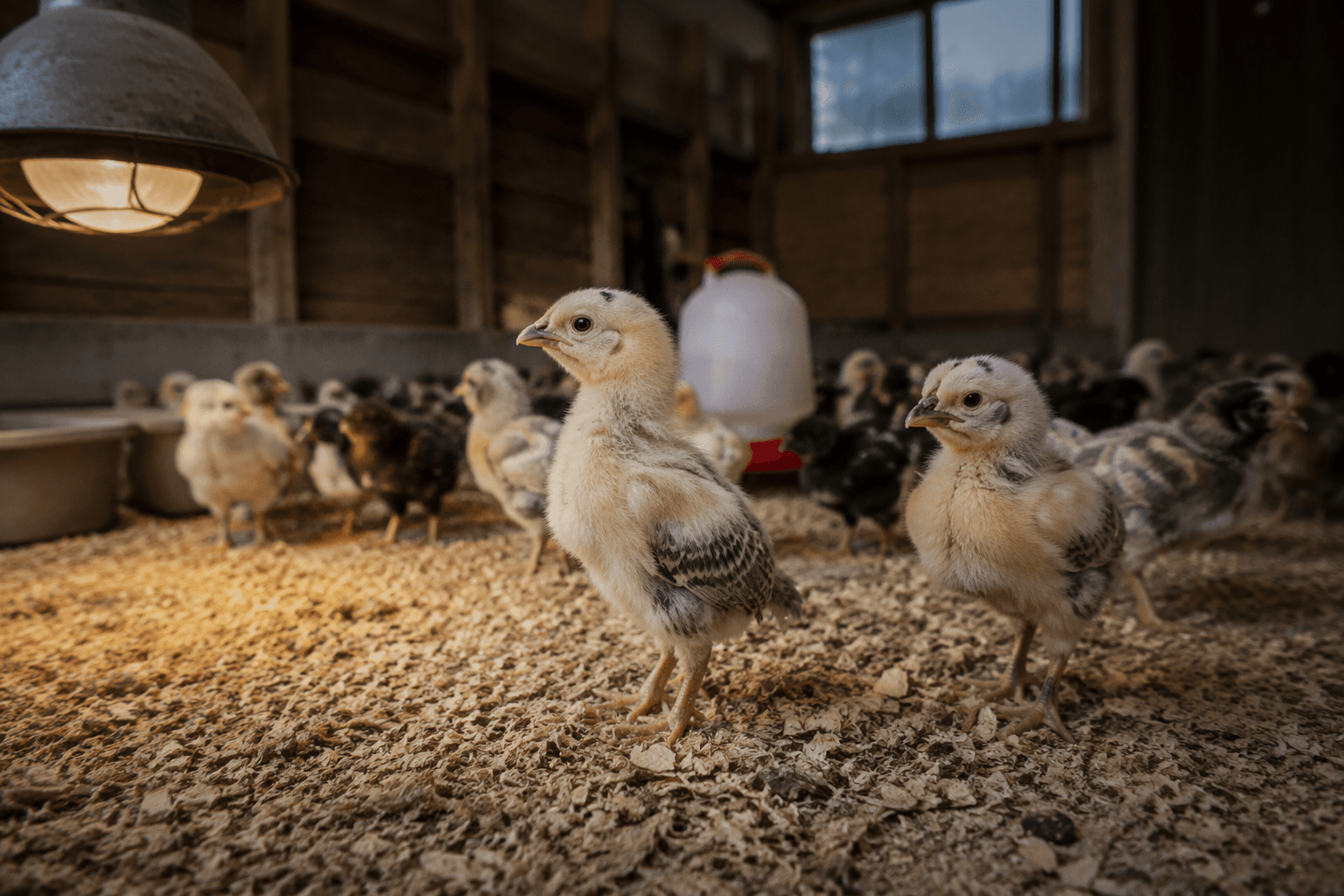
The economics look better when you stop treating eggs like the only payoff. Hens usually begin laying at around six months of age and can keep going for five to 10 years, with peak production in the first two years. The productive window is real, but so is the decline. If you are buying birds with the idea that they will immediately erase the cost of the coop, the feed and the upkeep, the timeline is already working against you.
Small-scale egg production is one of the oldest animal farming enterprises in recorded history. Keeping chickens is not a novelty purchase; it is a direct way to make a household feel a little more connected to how food has been produced for centuries.
In a 2024 study with more than 2,000 questionnaire responses, Jenny Mace, Andrew Knight and Gregory Archer found largely positive attitudes toward chickens and a personal human-chicken relationship.
Raising backyard chickens can be rewarding, and it can teach kids about nature, agriculture and responsibility. A child who learns to refill waterers, collect eggs and notice when a bird is off its feed is learning a set of habits that has nothing to do with selling eggs.
How to decide whether a flock is worth it
The cleanest way to judge backyard chickens is to decide what job you want them to do.
- coop and run construction or purchase
- feed, bedding and regular replacements
- repairs, ventilation fixes and predator-proofing
- veterinary care when a bird gets sick
- replacement birds when production drops or hens age out
If you want egg economics, run the numbers honestly:
Those are the costs that keep showing up, long after the first excitement wears off. Eggs help, but the first two years of peak laying usually do most of the work, and the flock still needs feeding and housing after that.
If you want food security, the value is different. A backyard flock gives you a small, local egg supply that does not depend on the same commercial system that dominates USDA totals. That does not make a coop a guarantee against market swings, but it does make the household less dependent on store shelves for one very specific food.
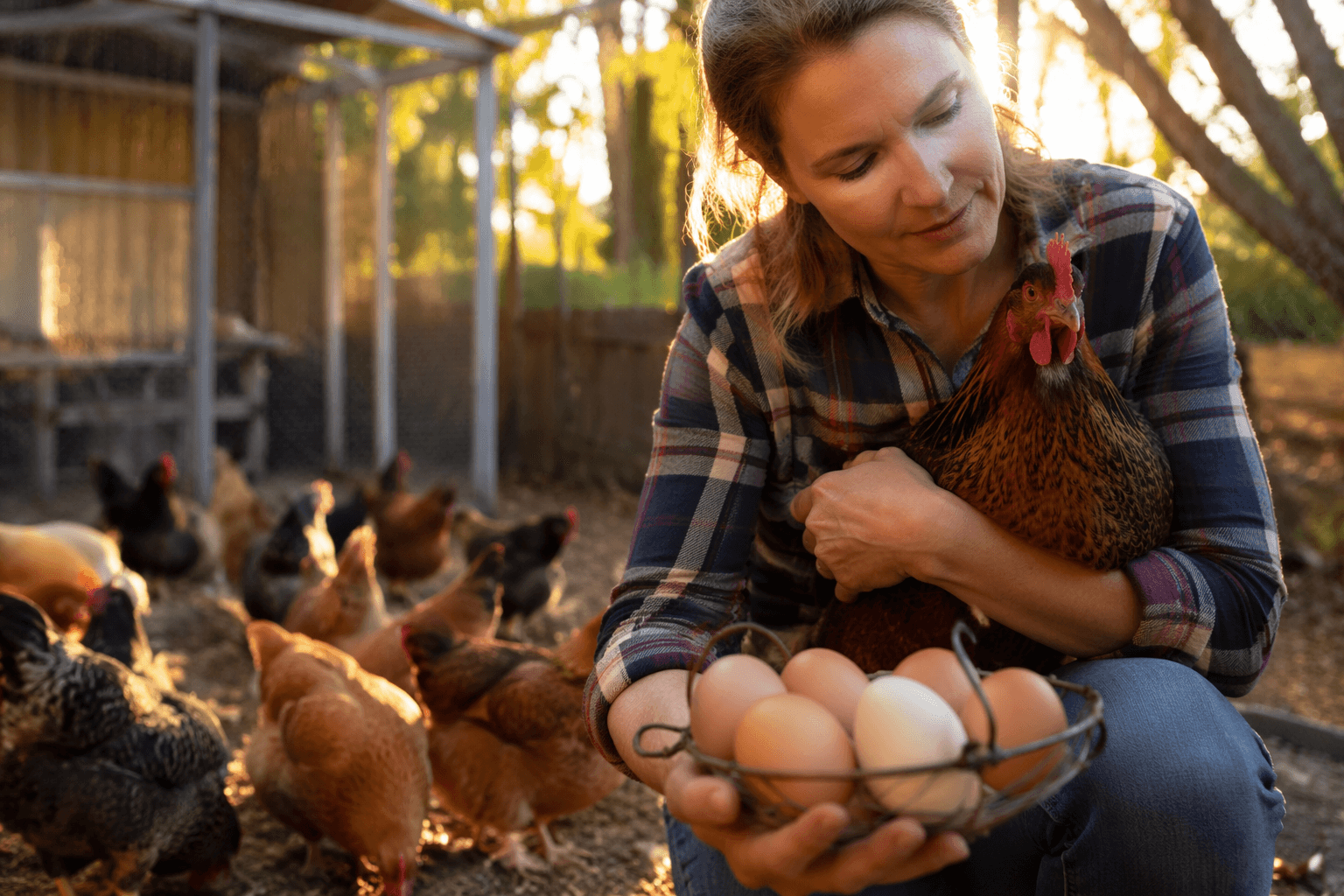
If you want lifestyle value, the question is whether you actually enjoy the work. Backyard chickens are not decorative. They need daily care, and the payoff is tied to routine, not convenience. The owners who stay happiest are usually the ones who like the project itself: the morning check, the scratch in the run, the first warm egg in the box.
If you want enjoyment, the 2024 attitude study matters more than the profit spreadsheet. People are keeping chickens because they like being around them.
The public-health layer is part of the decision too
In an update last month, the Centers for Disease Control and Prevention counted three human influenza A(H5) cases since 2024 among people in the U.S. who own backyard birds. That keeps backyard flock keeping squarely in the public-health conversation, especially for owners who mix birds, family life and close contact in a small space.
This article was produced by Prism’s automated news system from verified source data, official records, and press releases, then run through automated quality and moderation checks before publishing. The system is built and supervised by the people who set the standards it runs under. Read our full AI policy.
Did this article answer your question?