Can ducks and chickens live together peacefully in a mixed flock?
Ducks and chickens can share a yard, but only if you manage space, feed, water, and biosecurity like a hawk.
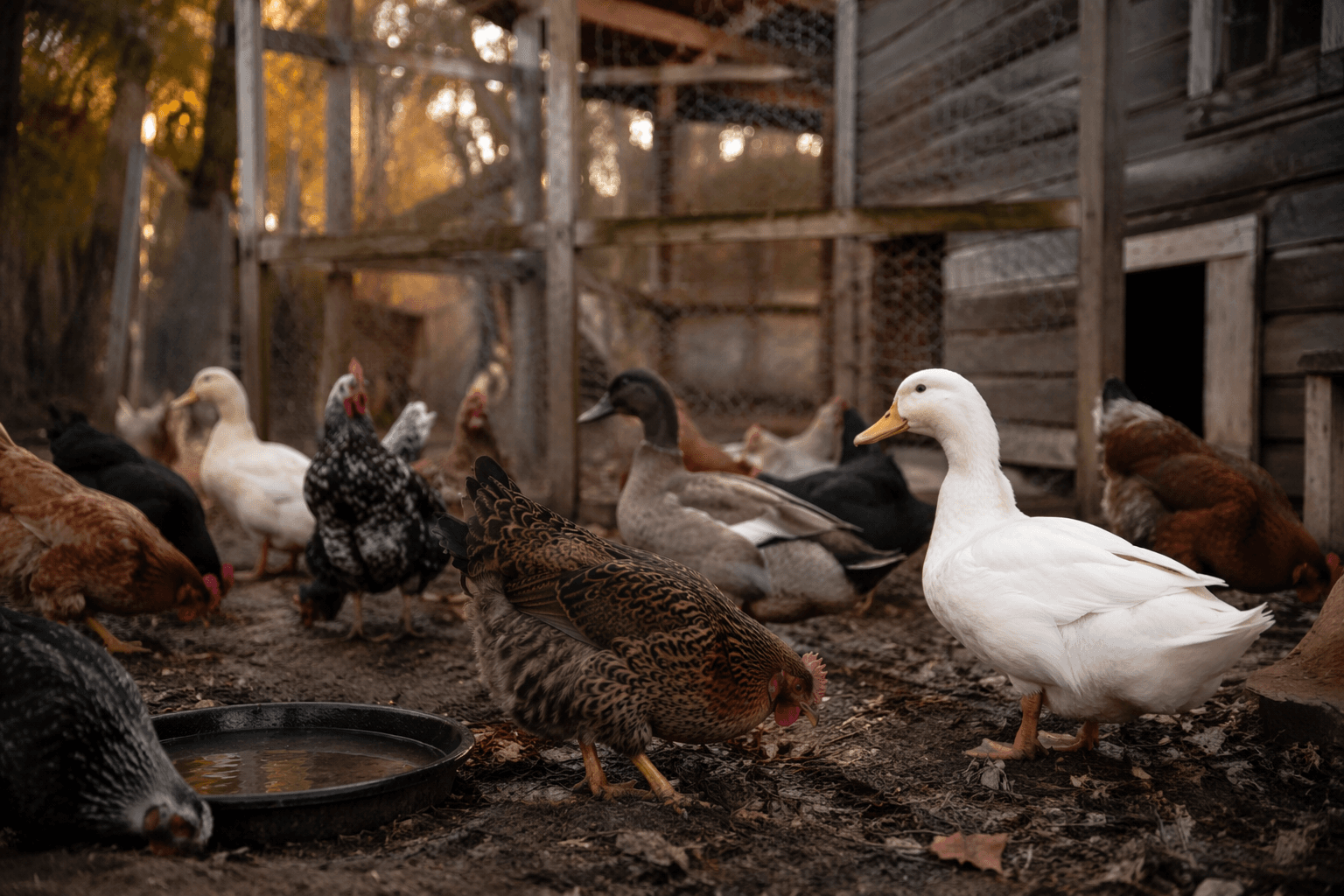
A mixed flock can work, but it works like a system, not a personality test. Ducks and chickens usually share space without constant drama when you give them enough room, enough food, and a setup that keeps wet bedding, mud, and disease pressure under control. The trick is not expecting them to behave alike. Ducks tend to be more easygoing, while chickens are more status-conscious and territorial, so peace comes from management, not wishful thinking.
What peaceful really looks like
If you are imagining ducks and chickens curling up like lifelong buddies, reset that expectation. What usually happens instead is more practical than sentimental: the birds learn to occupy the same yard without turning it into a riot. Chickens spend more time sorting out the pecking order, while ducks are more likely to shrug off tension and waddle away.
That difference is exactly why mixed flocks can be useful. Backyard keepers want variety, different personalities, different eggs, and different foraging styles, and a mixed flock delivers that. But the birds do not need to become close cross-species companions to be successful. They just need to function together without crowding, starving, or exposing one another to unnecessary stress.
Space is the first test
The first thing that decides whether a mixed flock stays calm is space. University of Georgia Extension says minimum space needs vary by bird type and purpose, and that small flock owners need to plan ahead because birds outgrow a sloppy setup fast. That advice matters even more when ducks and chickens are living together, because a tight run magnifies every problem, from feed guarding to wet spots that never dry out.
Housing matters just as much as square footage. Virginia Tech Extension says a good poultry house should protect birds from weather, predators, injury, and possibly disease. It recommends dry, draft-free housing on high, well-drained ground, with secure fencing, buried wire at least 12 inches deep, and covered runs if the pen is not predator-proof. If you lock birds up before dark and keep the run from becoming a predator buffet, you are already ahead of most backyard disasters.
A mixed flock needs that kind of discipline because crowding makes the chickens more territorial and gives the ducks fewer places to move out of the way. The easiest way to keep peace is to build for comfort first and convenience second.
Feed and water are where good intentions go sideways
Feed is where a lot of mixed-flock dreams get sloppy. The practical issue is not just whether the birds like the same menu, but whether you can control access, keep feed clean, and avoid creating a wet, contaminated mess. Penn State Extension draws an important regulatory line here too: chickens and turkeys are FDA "major" food animal species, while ducks and geese are "minor" food animal species. That matters when medications or feed additives enter the picture, because mixed species can change how you think about what is safe and appropriate to use.
Water is the other half of the problem. Ducks are tied to water in a way chickens are not, and that is where mixed flocks often get messy fast. If you do not control splash, spill, and runoff, the run turns muddy, the coop stays damp, and chickens end up living in the kind of wet conditions that make a clean setup impossible to maintain. Covered feed storage, cleaning spills right away, and limiting access to standing water all help keep wild birds from treating your yard like a buffet line.
The practical takeaway is simple: if the ducks get their water where they please, the chickens often pay for it with mud. A mixed flock can share a yard, but it should not share one sloppy wet zone.
Biosecurity is the part you cannot fake
This is where the question stops being cute and starts being serious. USDA says wild birds such as ducks, gulls, and shorebirds can carry and spread avian influenza without showing any signs of illness. It also says the virus can spread directly bird-to-bird and indirectly through contaminated surfaces, materials, manure, equipment, clothing, shoes, and hands. Migratory waterfowl, including wild ducks and geese, are a potential source of introduction to domestic birds, which is exactly why backyard setups near open water or wild-bird traffic deserve extra caution.
CDC says backyard bird flocks can be exposed to wild birds carrying bird flu, and poultry with bird flu can get very sick and usually die from infection. APHIS says the United States confirmed highly pathogenic avian influenza in a commercial flock on February 8, 2022, and the outbreak in U.S. poultry remains ongoing as of 2026. Cornell Extension adds that HPAI can infect domestic ducks, geese, chickens, and other poultry, and can spread rapidly flock to flock.
That is why the best mixed-flock advice sounds less like hobby chat and more like routine discipline: avoid contact with sick birds and contaminated water or litter, wash your hands, keep poultry out of the house, and work with a veterinarian or extension agent if something looks wrong. CDC also reported in May 2026 that since 2024, three human influenza A H5 cases had been reported among people in the United States who own backyard birds. In other words, this is not just a bird problem.
Making the mixed flock work in real life
Mixed flocks make the most sense when the setup is already strong. That means enough room, dry ground, controlled feed, sane watering, and a coop and run that do not fall apart under normal use. It also means accepting that ducks and chickens are different kinds of birds with different habits, different comfort zones, and different risks.
The people who get this right do not chase the fantasy of one perfect feathered family. They build a managed community, the kind where ducks can be calm, chickens can keep their hierarchy to themselves, and the keeper stays ahead of mud, mess, and disease. That is the real secret to peaceful cohabitation: not making the species identical, just making the housing and hygiene strong enough for both of them.
This article was produced by Prism’s automated news system from verified source data, official records, and press releases, then run through automated quality and moderation checks before publishing. The system is built and supervised by the people who set the standards it runs under. Read our full AI policy.
Know something we missed? Have a correction or additional information?
Submit a Tip