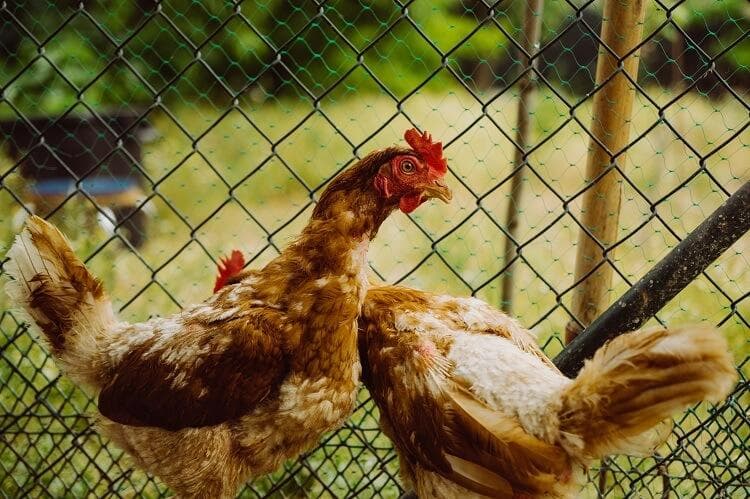
Cary explains backyard chicken rules for R-40 and R-80 homeowners
Cary lets hens in R-40 and R-80 without a permit, but your lot, coop, and subdivision covenants can still make or break the plan.
Backyard chickens in Cary are not a casual yes-or-no hobby question, they are a zoning question first. The Town of Cary’s Backyard Chickens FAQ is built as a planning guide for people who want hens at home, and that is the right way to read it: before you buy birds or build a coop, you need to know whether your property fits the rules.
What Cary allows in R-40 and R-80
The cleanest takeaway is simple. Cary allows backyard chickens in the R-80 and R-40 zoning districts, subject to limited regulations, and no permit is required in those districts. The town’s media alert puts it even more plainly: backyard chickens, along with some other forms of domestic fowl and livestock, are allowed by right in the R-40 and R-80 zoning districts, which allow for animal husbandry.
That matters because it answers the first question every would-be keeper asks: can you legally do this at home? In Cary, the answer is yes if your lot falls in one of those districts, but the town still draws a line around how the birds are kept. The FAQ is not a blanket endorsement of chicken keeping, it is a map of the conditions that come with it.
The rules that shape the flock
Cary code treats chicken keeping as an accessory use, which is exactly the kind of language that tells you this is a land-use issue, not just a backyard pet decision. Search results tied to Cary’s code also indicate that a chicken coop and pen are required, and that coops and enclosures cannot be built inside residential structures or garages.
That is the sort of detail that trips people up if they only hear, “Yes, hens are allowed.” A flock needs a dedicated setup, not a spare corner of the house or a converted garage. If you are planning a coop, the rule set pushes you toward a proper outdoor enclosure from the start, which is the practical difference between legal ownership and a frustrated code violation.

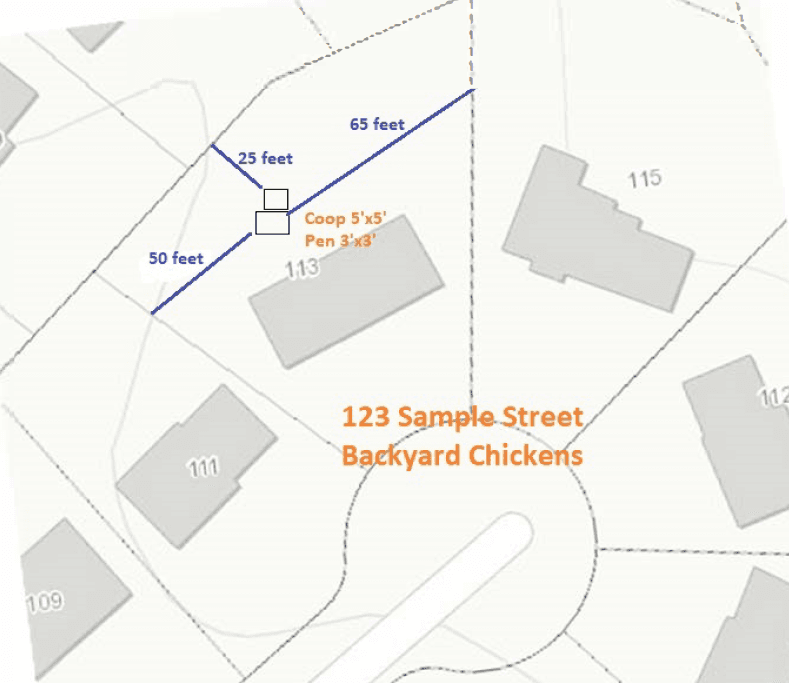
The town’s planning materials also make clear that lot eligibility and placement matter. Even when hens are allowed, you still have to think about where the coop goes, how the run fits on the property, and whether your setup can live alongside neighbors without becoming a nuisance. Odor, waste, predators, and maintenance are the real-world friction points, and Cary’s planning approach reflects that reality instead of pretending chickens are a set-it-and-forget-it feature.
Why the 2012 ordinance still matters
Cary’s current rules make more sense if you look at the policy shift that got them there. On Feb. 7, 2012, WRAL reported that Cary was considering changes to its town code to allow backyard hens, with conditions that included single-family homes only and no roosters. On Sept. 9, 2012, WRAL reported that the town lifted its longtime ban on backyard hens.
The same reporting said the ordinance allowed up to five hens on single-family lots of 6,000 square feet, while also prohibiting roosters, free-range hens, and on-site slaughter. Those are the kinds of limits that show how carefully Cary approached the issue from the start: the town did not just open the gate, it built a fence around what was acceptable.
A Cary real-estate page adds another practical wrinkle that still catches people off guard: residents may have up to five backyard hens, but subdivision covenants can still restrict them. That is the difference between city code and private neighborhood rules. Even if Cary allows hens on your lot, your HOA or subdivision covenant can still say no, and that is a second layer you have to clear before the birds arrive.
The zoning map is not the whole story
The FAQ focuses on R-40 and R-80, but Cary code search results point to a broader framework. Chicken keeping appears as an accessory use in detached, single-unit residential uses in several zoning districts beyond those two, including R-20, R-12, R-8, TR, and TC-MDR. For anyone comparing neighborhoods or wondering why one street can keep hens while another cannot, that zoning detail is the key.
Lot size also stays central in the Cary conversation. The 6,000-square-foot minimum tied to the 2012 ordinance helps explain why some properties qualify and others do not, even inside a city that permits hens. In practice, the size of your lot often decides whether you can fit a legal coop, a run, and enough buffer to keep the setup workable.
Why people keep hens in the first place
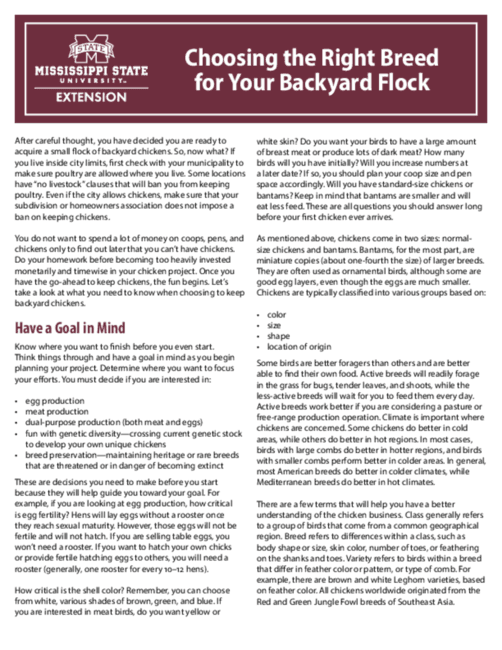
North Carolina State Extension puts the appeal in plain terms: chickens can be a colorful and useful addition to a garden, producing eggs and manure that can be used as organic fertilizer. That is the upside many Cary residents are chasing, whether they want fresh eggs, a little homestead flavor, or birds that contribute something useful to the yard.
But North Carolina does not have a statewide ban on backyard chickens, which means the real rules live locally. That leaves cities like Cary to handle the details through zoning, coop standards, lot size, rooster bans, and private covenants. If you are in Wake County and thinking about hens, the state gives you room to start, but the town and your neighborhood decide whether you can finish the job.
The practical lesson is the same one Cary’s planning page is quietly trying to teach: start with the zoning map, not the feed store. If your property is in R-40 or R-80, your coop is properly built as an accessory use, and your subdivision covenants do not block you, the flock can work. If any one of those pieces fails, the chicken dream becomes a paperwork problem long before it becomes a coop problem.
This article was produced by Prism’s automated news system from verified source data, official records, and press releases, then run through automated quality and moderation checks before publishing. The system is built and supervised by the people who set the standards it runs under. Read our full AI policy.
Did this article answer your question?