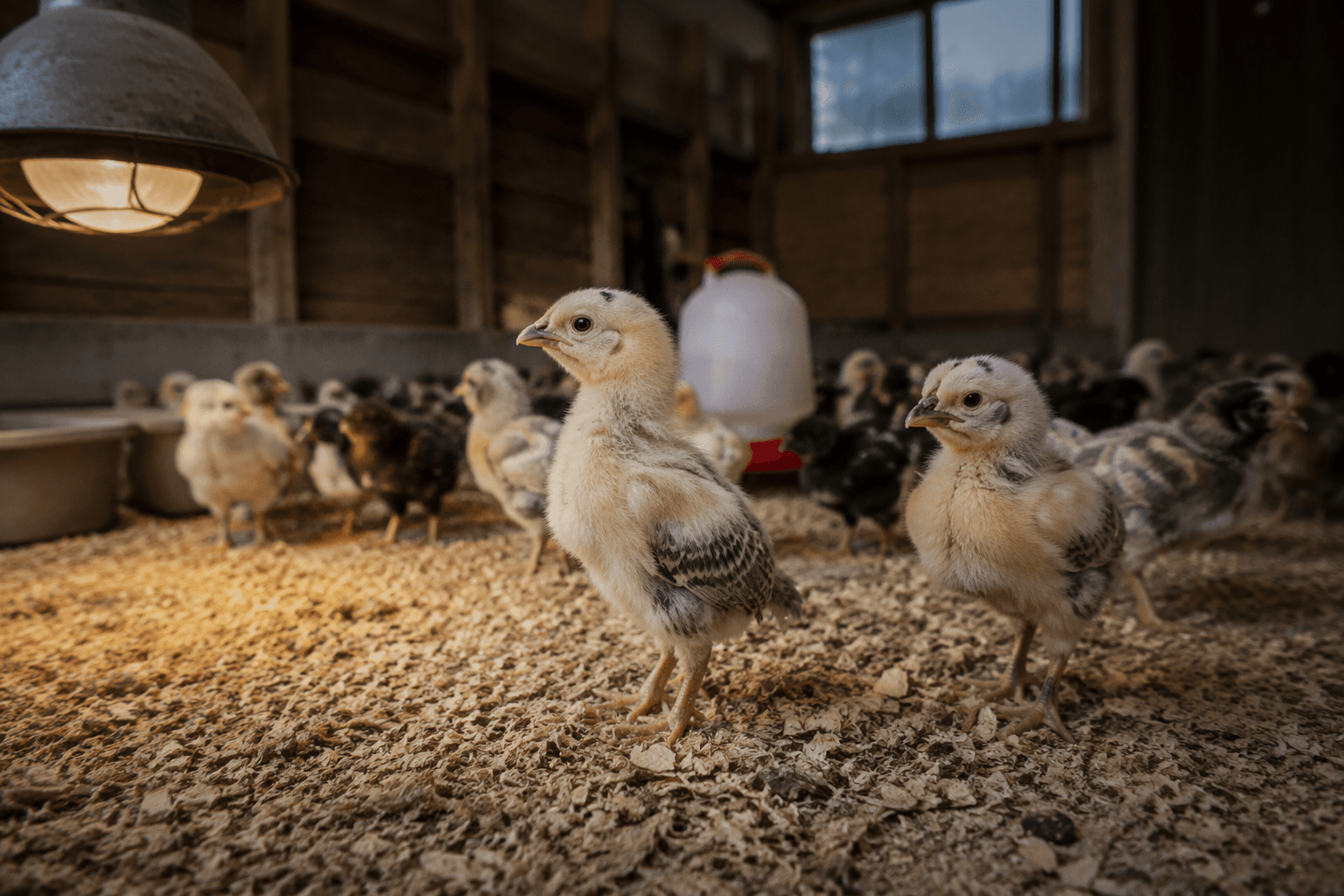
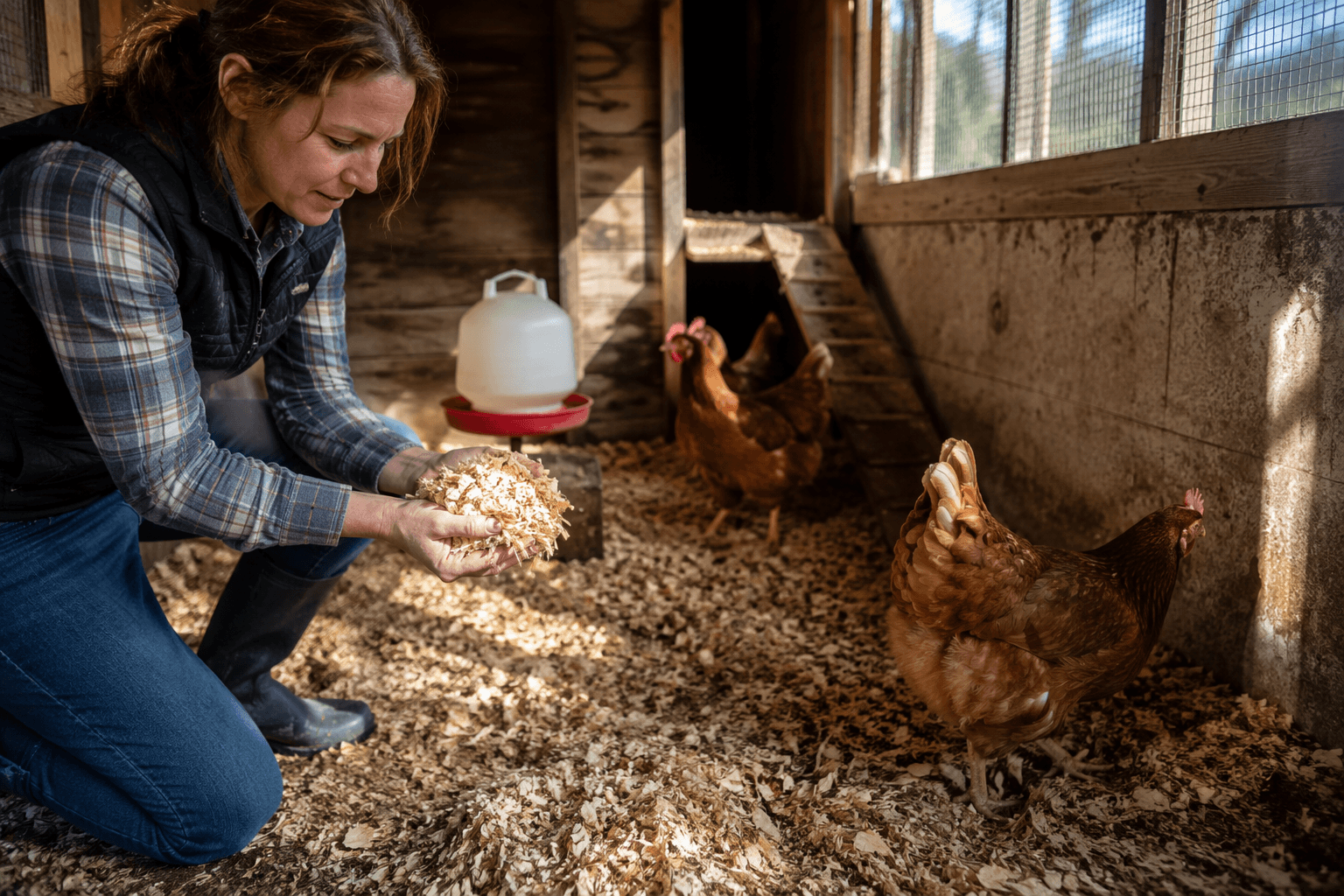
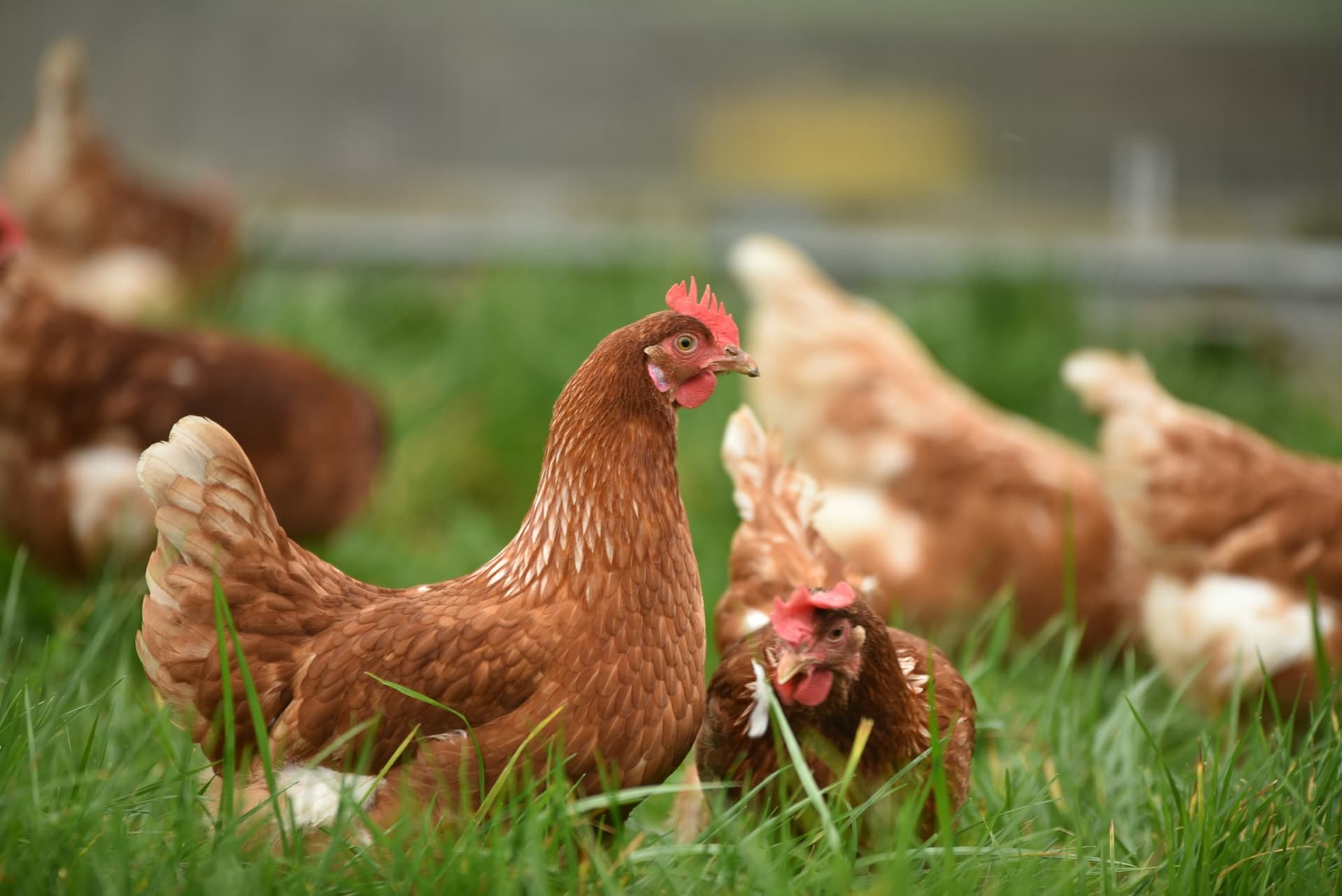
Connor Boyack slams city rules restricting backyard chickens
Connor Boyack blasted permit-heavy chicken rules, as Baltimore County charges $33, Maryland requires registration, and other cities take very different approaches.

Connor Boyack took aim at backyard chicken rules on Substack on July 10, 2026, arguing that residents should not need permission to keep hens at home. “You shouldn’t need anyone’s permission to have chickens in your backyard. Yet many cities prohibit them or require you to get a permit first,” he wrote, putting the fight over hens squarely in the middle of property rights, zoning, and neighborhood politics.
His post landed on a familiar fault line for would-be chicken keepers: some cities treat a flock like a normal backyard use, while others wrap it in permits, setbacks, flock caps, coop standards, or rooster bans. A 2018 University of California, Davis thesis found a growing number of permissive urban animal-agriculture ordinances nationwide, and a Case Western Reserve University School of Law paper, Illegal Fowl: A Survey of Municipal Laws Relating to Backyard Poultry and a Model Ordinance for Regulating City Chickens, reflected how long cities have been sorting out the same basic questions.
Baltimore County shows how quickly those questions turn into paperwork and fees. Its backyard chicken license application sets the license period from July 1 through June 30 and lists a $33 fee, with a 50% penalty after July 31. The application also calls for an engineered scaled site plan and specific setbacks, which means a small flock can come with the kind of documentation many people do not expect before buying hens.
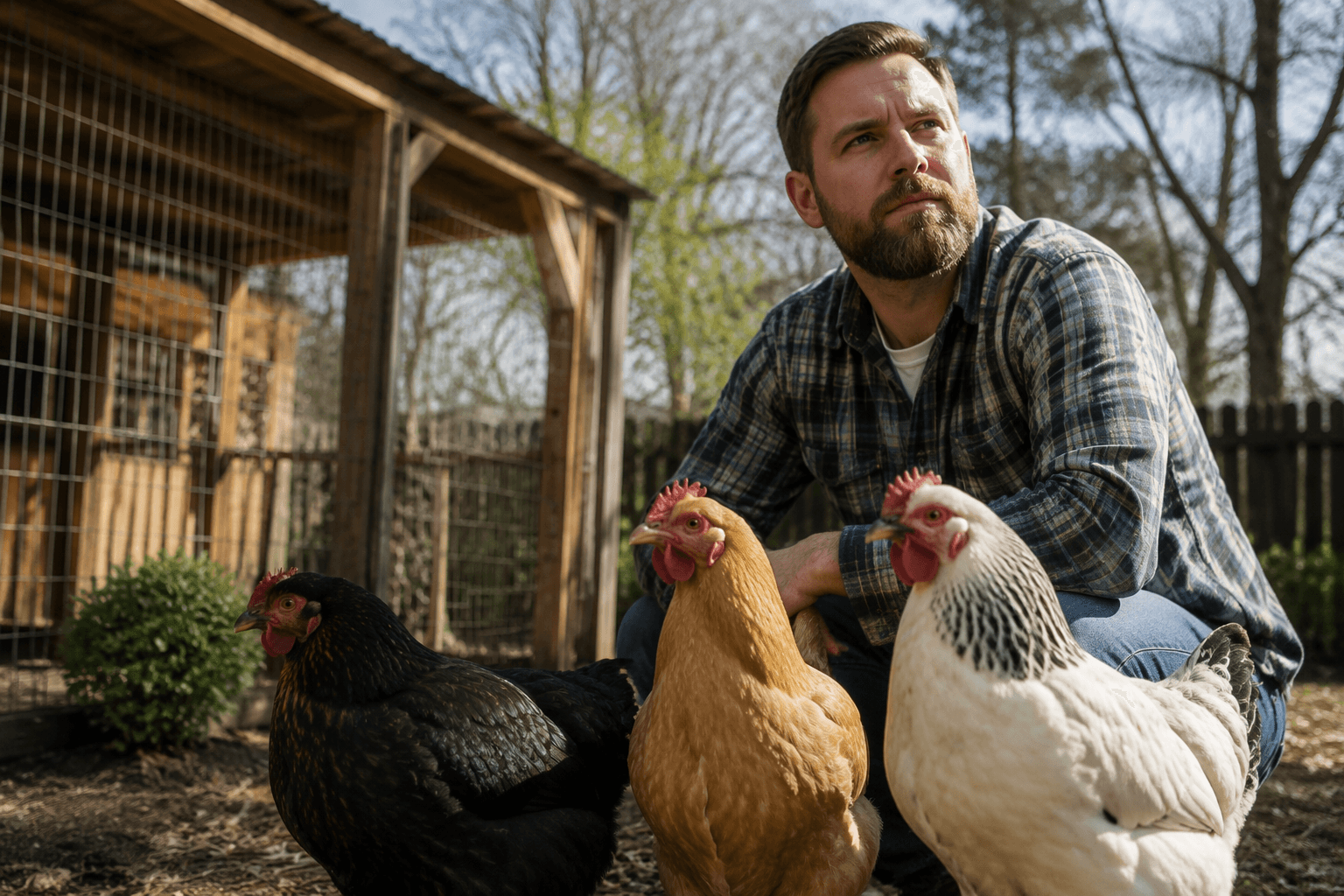
Maryland adds another layer. State law requires anyone who keeps or cares for chickens to register with the Maryland Department of Agriculture, and the registration program is described as a way to help protect the domestic poultry industry from disease. Grand Rapids, Michigan, also posts an official backyard chicken permit application, showing how the rules can shift sharply from one city line to the next.
Other cities frame the issue differently. Nashville’s official city information says the “fresh food,” “buy local,” “know your farmer” movement continues to gain popularity in urban areas, while DeLand, Florida, adopted Ordinance No. 2025-10 creating a new section on “Urban or Backyard Chickens.” DeLand’s ordinance says egg prices increased 40 percent from May 2024 to May 2025, citing the U.S. Bureau of Labor Statistics CPI Price Index.
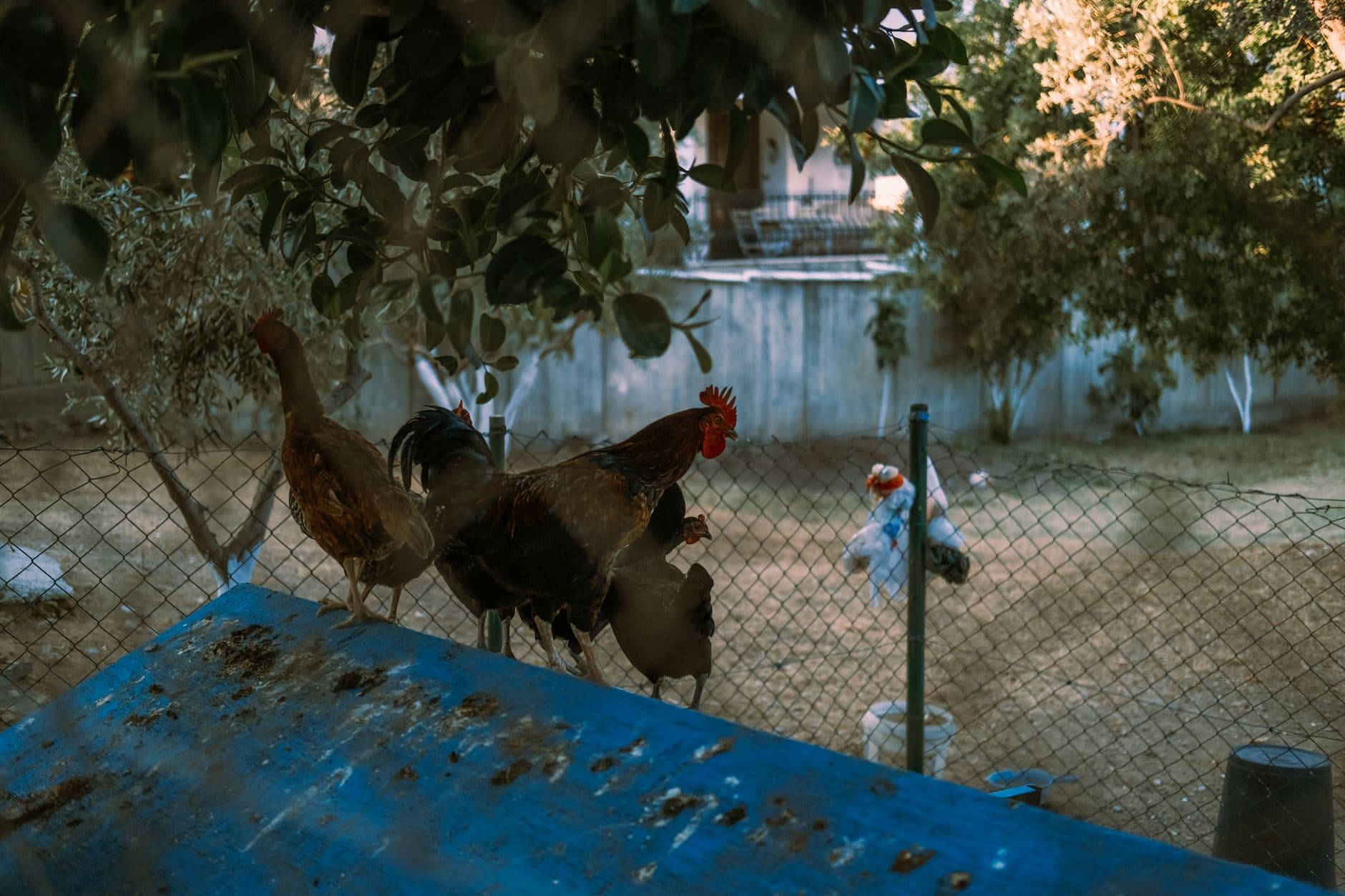
Boyack’s point was simple, but the regulatory map is not. Before anyone buys pullets, the real checklist starts with permits, registration, setbacks, and whether the city code treats a backyard coop like a garden shed or a zoning problem.
This article was produced by Prism’s automated news system from verified source data, official records, and press releases, then run through automated quality and moderation checks before publishing. The system is built and supervised by the people who set the standards it runs under. Read our full AI policy.
Did this article answer your question?