How to compost chicken manure safely for healthier garden soil
Raw chicken manure can burn plants and carry pathogens, but the right bedding mix, heat, and curing turn coop waste into garden-safe compost.
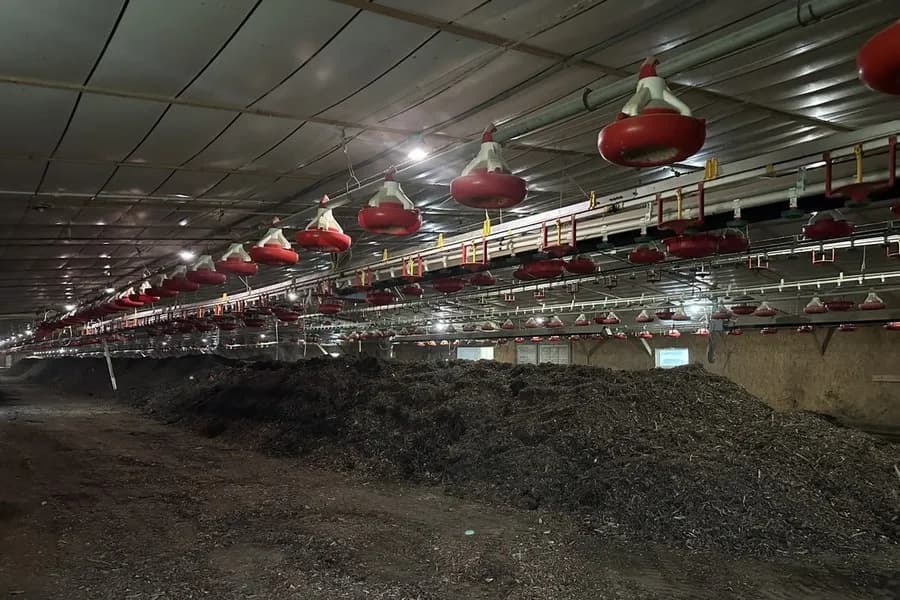
Raw poultry manure is high in nitrogen, can burn plants, and can carry pathogens such as Salmonella. The goal is not to dump it on a bed and hope for the best but to manage it as part of a nutrient system, keep it out of the coop, and turn it into a stable soil amendment before it ever touches your garden.
Start with the right mix
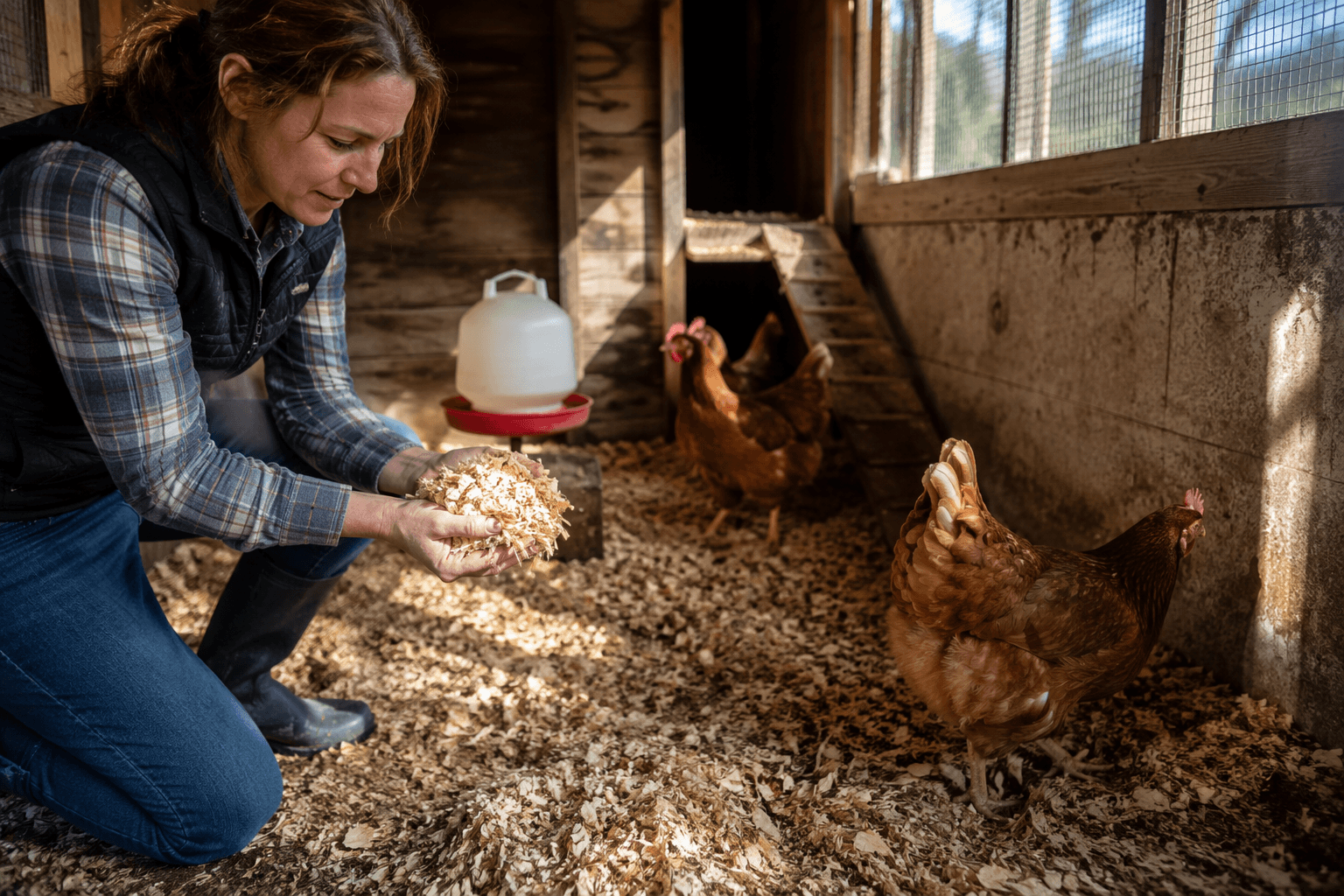
The easiest chicken manure to compost is manure mixed with bedding, not manure by itself. Straw, leaves, and wood shavings give the pile structure and carbon, which helps offset the nitrogen load in fresh droppings and keeps the material from turning into a wet, smelly slab. One hen can produce about 1 cubic foot of manure every six months, and that volume shows up fast once you have more than a couple birds.
If you are cleaning a coop regularly, save the bedding along with the manure and build your pile from that mix. Tilth Alliance and Penn State Extension both treat manure removal as basic coop housekeeping: manure cannot keep collecting in the coop, and buildup can harm chickens.
Let heat do the heavy lifting
Composting works because heat, time, moisture, and turning change fresh manure into something stable. Hot composting temperatures run around 130 to 150 degrees Fahrenheit, and some guidance pushes that to 140 to 160 degrees Fahrenheit for at least three days to help suppress pathogens while the pile breaks down.
You do not need lab gear, but a compost thermometer gives you a real answer instead of a guess. If the center of the pile is not heating, the pile is probably too dry, too small, or too short on carbon-rich material. If it is soggy and smells sour, it is usually too wet and needs more dry bedding, more turning, or both.
- Start with a carbon-rich base of straw, leaves, or wood shavings
- Add manure and bedding in mixed layers rather than a pure manure heap
- Turn or mix the pile so the hottest material moves through the cooler edges
- Keep moisture at the level of a wrung-out sponge, not a puddle
The practical setup is not complicated:
Manure alone is not the same as manure plus bedding. The bedding keeps the pile airy enough to heat.
Watch the clock as well as the thermometer
Some chicken-manure compost can be ready in as little as 3 to 6 weeks under ideal hot-compost conditions, but 3 to 4 months of curing before putting it in the garden is a more cautious timeline. That extra curing time gives the material a chance to finish breaking down and cool into something that is less likely to stress plants.
If you want a clean answer to whether the pile is done, use your senses first. Finished compost should smell earthy, not like fresh manure, and you should no longer see the mix dominated by recognizable droppings or bedding. If the pile still looks like coop cleanup, it is not ready for tender crops, no matter how long it has sat there.
Oregon State University Extension Service recommends using chicken manure compost in raised vegetable beds only when it is fully finished and cured, not merely warmed up once. That is especially important if you are growing anything that will be eaten raw.
Know where it is safe to use
The cleanest place for finished chicken-manure compost is in areas where the soil can absorb nutrients without the crop touching the ground before harvest. Fruit trees, berry patches, and ornamental beds are straightforward uses once the compost is fully cured. For vegetable beds, wait until the compost is stable and finished, then be extra careful around crops eaten raw.
Raw animal manures can contain pathogens, and the risk is highest when manure is used before it has been fully composted and cured. In practical backyard terms, that means no fresh manure in seed-starting mixes, no shortcut applications around leafy greens, and no assumption that a pile that “doesn’t smell bad” is automatically safe.
Penn State Extension treats chicken manure as a significant nutrient source in manure and nutrient management. It needs to be handled with discipline instead of treated like household trash.
Keep the coop from becoming the compost pile
A backyard flock gives you eggs, but it also gives you a steady stream of nitrogen-heavy waste, and that waste has to go somewhere before it becomes a smell, a fly problem, or a plant-killer. Once you set up a carbon-rich pile, keep the bedding moving, keep the heat up, and give the compost time to finish.
This article was produced by Prism’s automated news system from verified source data, official records, and press releases, then run through automated quality and moderation checks before publishing. The system is built and supervised by the people who set the standards it runs under. Read our full AI policy.
Did this article answer your question?