How to size a chicken coop for healthier, safer hens
The best coop is the one that stops crowding, drafts, and predator gaps before they start. Size it for your flock, your winter routine, and your cleaning habits.

The prettiest coop in the catalog is not always the one that keeps hens healthiest. The right build gives each bird enough room, keeps air moving without turning the roost into a wind tunnel, and shuts predators out while making your daily chores less annoying. If you get the size wrong, you usually feel it fast: scratched-up bedding, squabbles at bedtime, damp corners, and a coop you hate cleaning.
Start with the space your flock actually needs
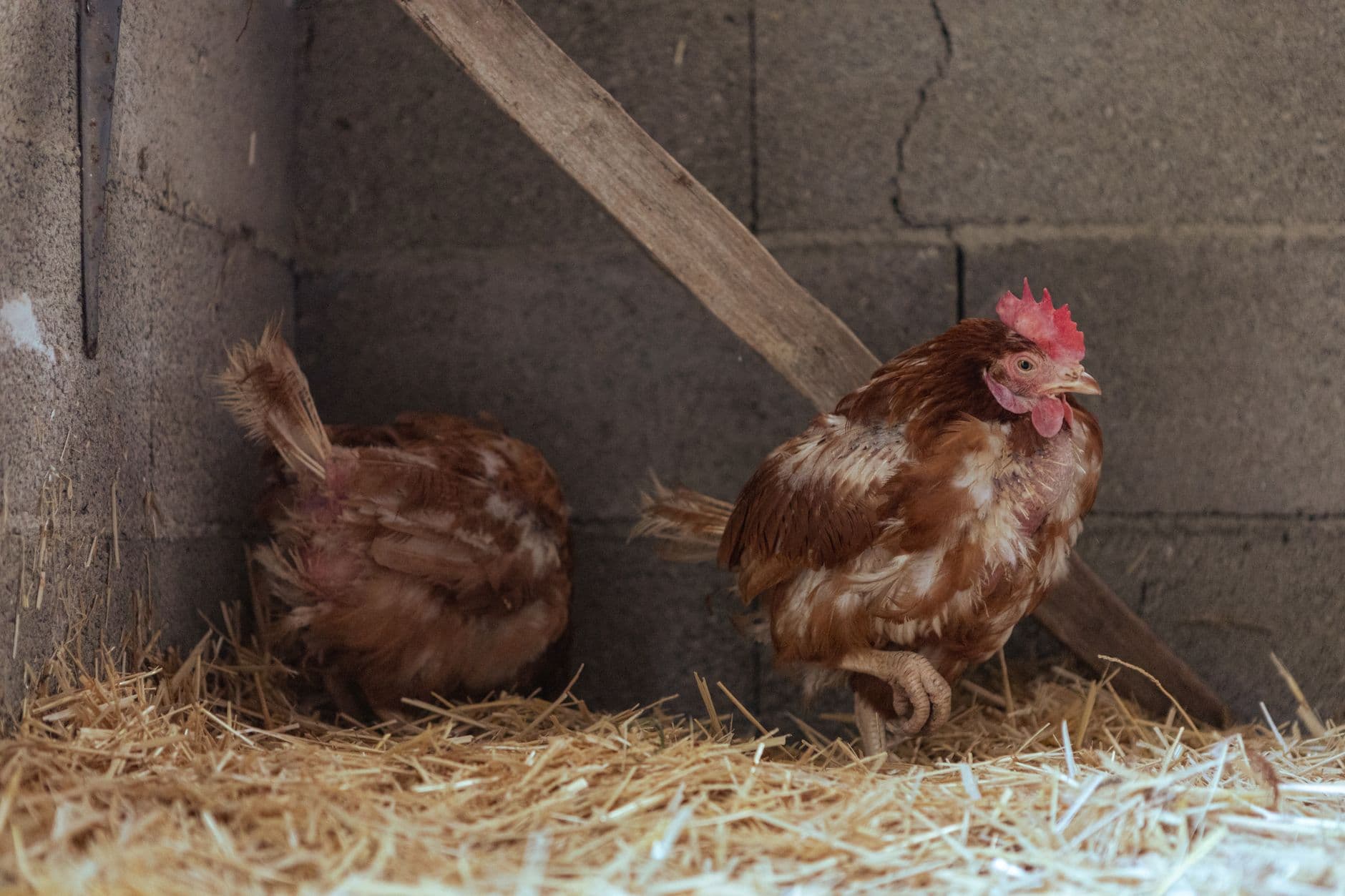
The most useful sizing advice is also the least glamorous. Farmers' Almanac puts the basic indoor target at 3 to 5 square feet per hen, with the higher end making more sense for larger breeds or for birds that spend long stretches inside during cold weather. That is a practical floor, not a luxury number. When birds are squeezed, stress rises, feather-pecking gets worse, and the bedding gets soiled faster than you can keep up.
For the run, University of Delaware recommends 8 to 10 square feet per chicken outdoors, while its indoor guidance lands at 2 to 3 square feet per bird. That spread is a good reminder that climate and routine matter. If your flock can get outside every day, you can usually live closer to the lower end of the indoor range. If winter weather keeps everybody in the coop for weeks, size up now instead of trying to fix crowding later.
Roost space deserves the same attention. Farmers' Almanac says to allow about 8 inches of roosting bar per hen, while North Carolina State Extension recommends 9 to 10 inches per bird and Virginia Tech Extension says 8 to 10 inches of perch space per bird. The exact number shifts a little by source, but the point stays the same: hens need room to settle without piling on top of one another.
Build for calm nights and easier mornings
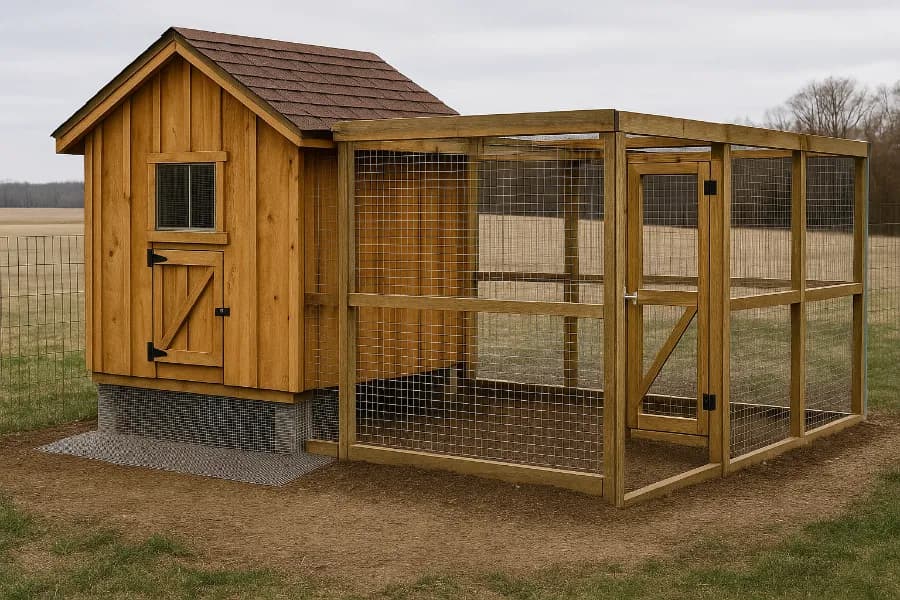
Cornell Cooperative Extension describes a good backyard coop as an enclosed, dry shelter with a fenced outdoor area, and that framing is worth keeping in mind when you shop or build. The coop needs floor space, protection from weather and predators, ventilation without drafts, a place to roost, and nest boxes for laying eggs. If a design misses even one of those basics, you end up making up for it with extra labor.
Cleaning access matters more than most first-time keepers expect. A coop that is hard to reach into or awkward to scrape out will stay dirty longer, and dirty coops invite odor, dampness, and pests. The best layouts make it easy to glance at the bedding, spot a wet corner, and get to the nesting area without crawling through the whole structure.
- Put doors and access panels where you can reach bedding, roosts, and nest boxes without contortions.
- Keep the nesting area easy to collect from, so eggs do not get forgotten or broken.
- Avoid dead-end corners that trap moisture or make droppings hard to remove.
- Make sure air moves through the coop, but not directly across the roost at night.
A few practical habits make a big difference here:
Predator protection is part of sizing, not an add-on
A coop that is roomy but flimsy is still a bad coop. Oregon State University Extension Service recommends raising the coop at least 1 foot off the ground and burying fencing 6 inches to 1 foot underground to deter digging predators such as coyotes, foxes, rodents, and dogs. That is the kind of concrete detail that turns a nice-looking setup into a secure one.
USDA APHIS also stresses that coop design plays a role in disease prevention. Its Defend the Flock program is meant to help poultry keepers reduce the risk of avian influenza and other infectious diseases, and its enclosure guidance warns you to look for places where wild birds can perch, nest, or enter. Roof eaves, rooftop ventilation, torn screens, holes, and broken doors are all the sort of weak points that get overlooked until a problem shows up.
That means predator-proofing is not just about latches. It is about the whole structure: floor height, fencing depth, tight screens, intact doors, and regular checks for wear. If a bird, a raccoon, or a wild sparrow can get in, the coop is not finished yet.
Buying a coop or building one yourself
A lot of backyard keepers start with an existing shed or a prefabricated coop and adapt it to the flock. That can be a smart move, especially if the shell is sturdy and the dimensions are generous enough to meet your flock size. But the math still matters. A cute little shed that looks fine in the yard can become crowded the minute you add standard breed layers and a winter storm.
Before you buy, size the coop around the birds you plan to keep, not the birds you hope to squeeze in. Larger breeds, heavy winter confinement, and a habit of keeping the flock in longer all push you toward the upper end of the space recommendations. You should also check local ordinances before you commit, because setback rules, flock limits, and run placement can shape what fits on your property just as much as the birds do.
Nesting boxes and roosts should match the flock, not fight it
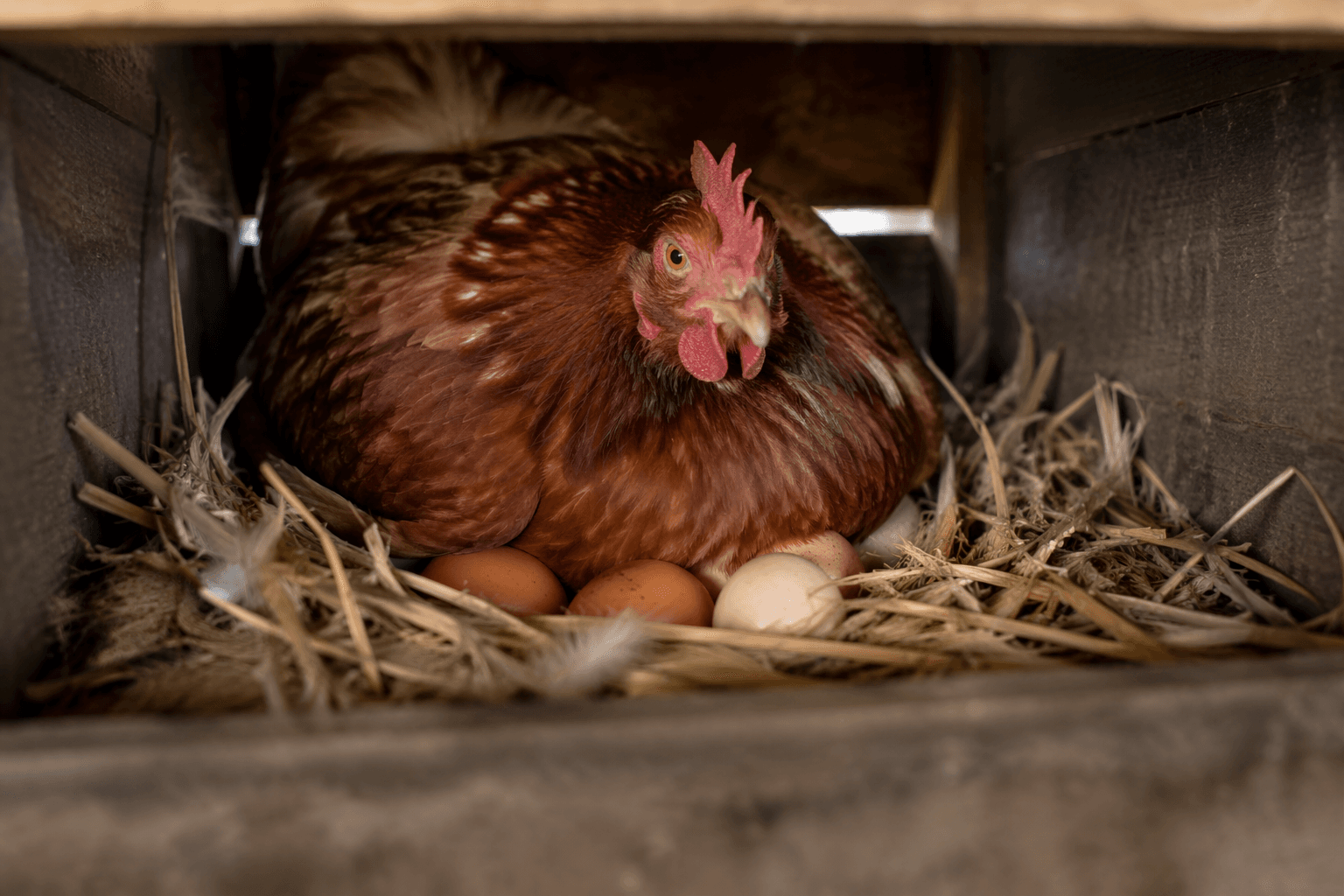
Nest boxes are another place where small design choices save a lot of daily hassle. University of Minnesota Extension recommends one nest box for every 4 to 5 laying hens, and North Carolina State Extension says the boxes should be at least 12 by 14 inches. That is enough room for most layers to do their business without crowding each other out.
If you skimp on nest boxes, hens will often pick the same favorite box and leave the others unused. Then you get broken eggs, squabbling, and birds laying in the wrong places. Roosts work the same way. Chickens like to get up high at night, so the perch has to be long enough for the whole flock to settle comfortably instead of huddling shoulder to shoulder.
Why this advice keeps showing up now
Backyard chickens were once common, then largely faded from American backyards in the first half of the 20th century as poultry production industrialized, according to Cornell University’s Backyard Revival exhibition. A University of California, Davis survey also found that backyard chicken keeping has become increasingly popular in the United States. That revival explains why coop design matters so much now: more people are taking on a flock, but not everyone starts with a coop built for real daily use.
The bigger lesson is simple. The right coop is the one that prevents the mistakes beginners make most often: too little space, poor ventilation, hard-to-clean corners, and weak predator protection. Get those pieces right, and the coop stops being the problem, which is exactly what a good coop is supposed to do.
This article was produced by Prism’s automated news system from verified source data, official records, and press releases, then run through automated quality and moderation checks before publishing. The system is built and supervised by the people who set the standards it runs under. Read our full AI policy.
Did this article answer your question?