How to write a backyard chicken ordinance that works for everyone
A backyard chicken ordinance only works when it protects neighbors and gives cities rules they can actually enforce. The must-haves are clear setbacks, rooster limits, care standards, and a real complaint process.
Backyard chickens are easy to support in theory and surprisingly hard to regulate in practice. The ordinance that works is not the one that simply says “yes” or “no” to hens, but the one that lays out clear boundaries for where birds can go, how they are kept, and what happens when things break down.
The tension is familiar to anyone who has sat through a town debate about a backyard flock. Residents want flexibility. Neighbors want protection from noise, odor, mess, and neglect. City staff want rules they can enforce without turning every coop into a full-time inspection case. A solid ordinance has to meet all three realities at once.
Start with the rule set, not the politics
The first mistake towns make is treating backyard chickens like a symbolic issue instead of a practical one. Once the conversation turns into an all-or-nothing fight, the ordinance usually gets too vague to enforce or too rigid to survive ordinary use. The better approach is to build the code around a few non-negotiables: setbacks, rooster rules, enforcement, animal care, and public education.
That framework matters because backyard chickens are not just a zoning question. They are a neighborhood compatibility issue, an animal-welfare issue, and a basic household management issue. If a city writes rules that ignore any one of those pieces, the ordinance may look tidy on paper and still fail in real life.
Setbacks are the first line of neighbor protection
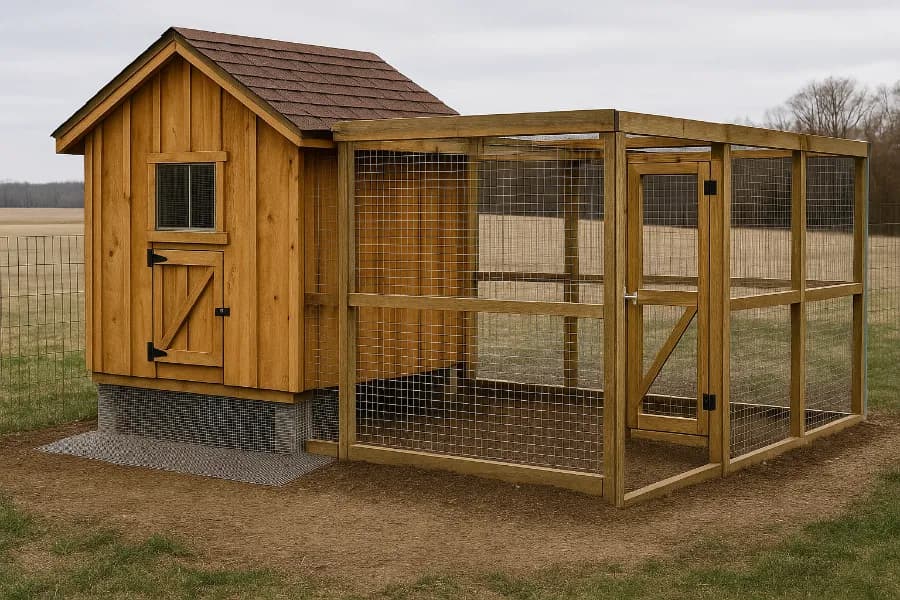
Location is everything in a backyard flock. Even when hens are allowed, municipalities often want minimum distances from property lines, neighboring homes, or public spaces. That is not bureaucratic fussiness. It is the difference between a coop that fits into a yard and a coop that lands too close to a fence line, bedroom window, or shared space.
Good setback language gives everyone something concrete to measure. It reduces the gray area that turns into arguments after the first complaint. If the ordinance wants to be workable, it should say exactly where a coop, run, or related structure can sit, not just that it must be “reasonable” or “appropriate.”
Rooster rules should be blunt, not vague
Rooster restrictions are one of the simplest tools towns have, and for good reason. Many communities are comfortable with egg-laying hens but not with the noise and nuisance that can come from roosters. If the ordinance is trying to balance backyard chicken keeping with neighborhood peace, rooster language needs to be clear enough that nobody has to guess.

This is one area where hedging causes trouble. If the town means to limit roosters, it should say so directly. If it allows them under certain conditions, those conditions need to be spelled out in the code. Loose language just invites disputes once the crowing starts.
Enforcement is where good intentions usually fail
An ordinance that sounds sensible in a council meeting can collapse the moment the first complaint lands on a desk. That is why enforcement cannot be an afterthought. The code needs to identify who handles complaints, what triggers a violation, and how repeated problems are documented.
That matters for both sides. Responsible keepers need a predictable process, and neighbors need a path that does not depend on whether one staff member happens to be available. Without a complaint process and a paper trail for repeat issues, the city ends up with rules that look official but do not change behavior. The result is frustration all around, and usually more calls, not fewer.
A workable enforcement structure should answer these questions in plain language:
- Who receives complaints
- What counts as a violation
- What happens after the first warning
- How repeat offenses are recorded
- What authority the city has if the problem continues
If those pieces are missing, the ordinance is mostly decoration.
Animal care has to sit beside zoning
Backyard chicken laws are often drafted as land-use rules, but the better ones also address welfare and responsible ownership. That means the code should connect the flock to basic care: feeding, shelter, sanitation, and flock health. Those are not optional extras. They are the minimum conditions that keep a backyard flock from becoming a nuisance or an animal-welfare problem.
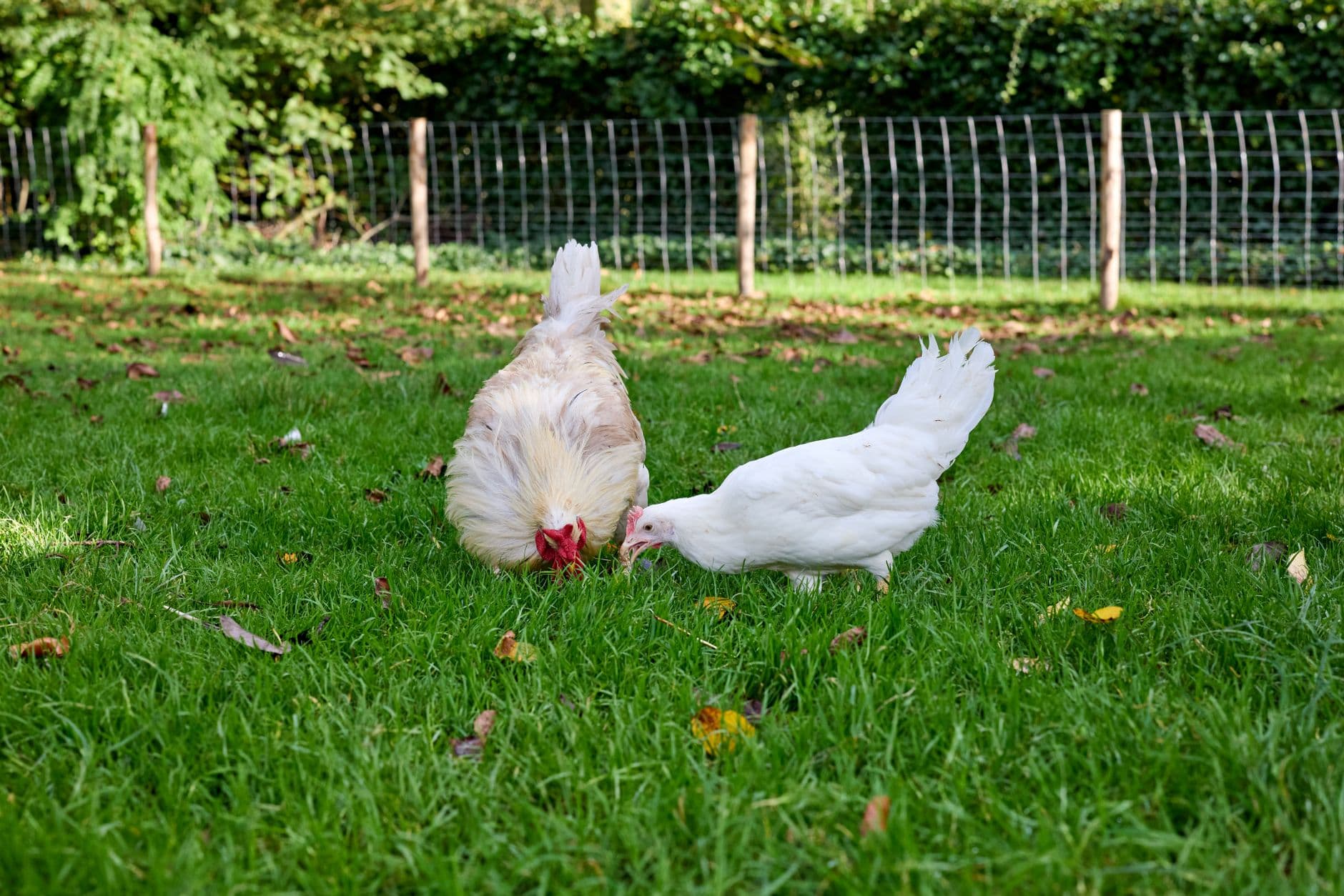
This is also where public education belongs. New keepers need help understanding what chickens actually require, not just whether they are allowed. A good ordinance recognizes that and pairs the legal permission with expectations for daily care. That makes the law easier to follow and easier for the city to defend when problems arise.
Public education is part of compliance, not an afterthought
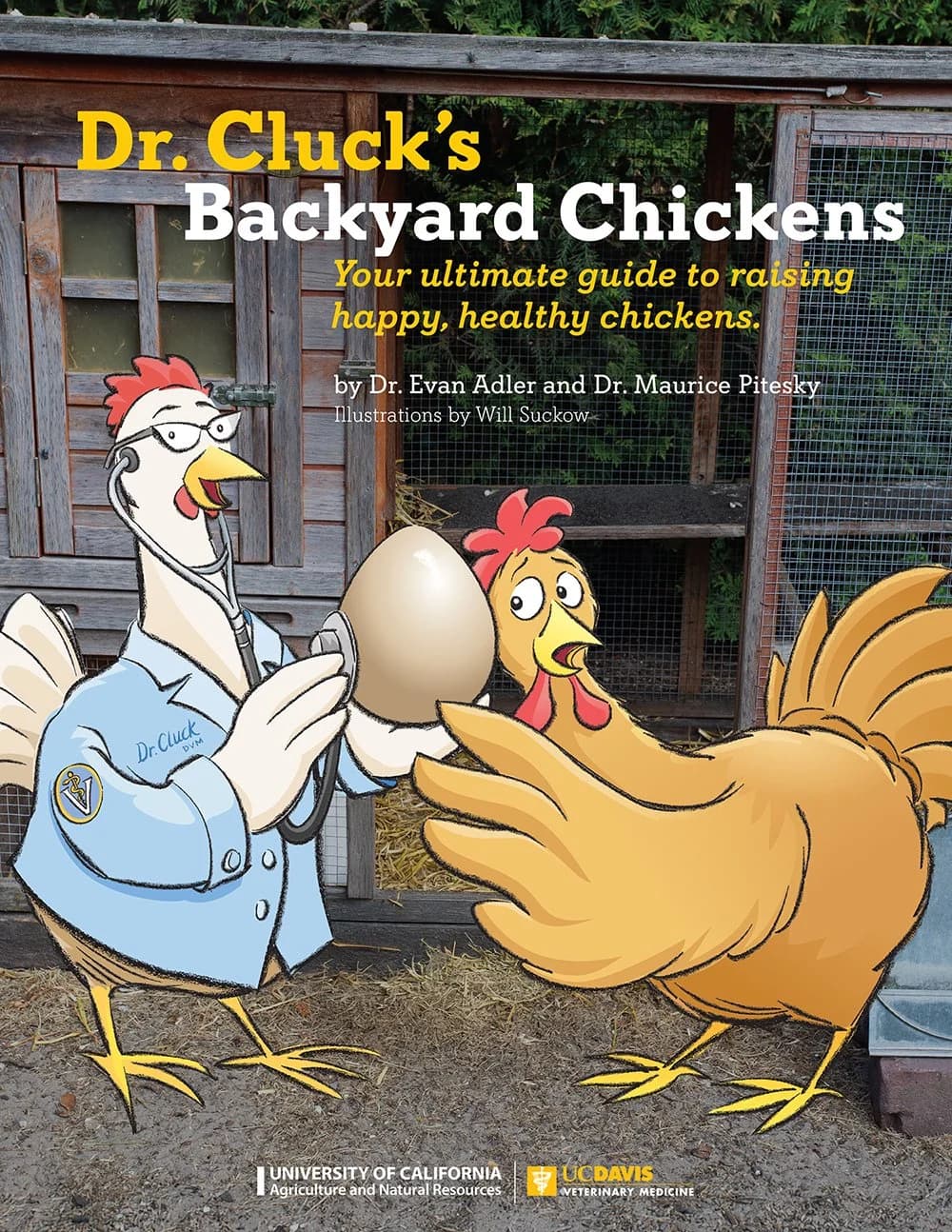
A surprising number of chicken ordinances fail because they assume people already know the basics. They do not. The guide’s strongest point is that public education should live in the same conversation as zoning. That means helping residents understand feeding, shelter, sanitation, and flock health before bad habits turn into complaints.
This is especially useful for cities trying to avoid a heavy inspection burden. If keepers understand the basics up front, the ordinance becomes easier to enforce and less likely to produce repeat violations. Education does not replace enforcement, but it cuts down on the mistakes that create enforcement problems in the first place.
How to read your town’s code like a chicken keeper
If you are trying to evaluate an ordinance, treat it like a checklist rather than a slogan. Does it clearly say where chickens can be kept? Does it set setback distances from property lines, neighboring homes, or public spaces? Does it limit roosters in plain language? Does it explain who handles complaints and what happens after a violation? Does it address care, sanitation, and flock health?
If the answer to any of those questions is fuzzy, the ordinance is not finished yet. The whole point is to make backyard chickens manageable for ordinary households while giving cities something they can actually administer.
A good ordinance does not pretend backyard chickens are effortless, and it does not treat them like a zoning crisis either. It gives hens room to be part of neighborhood life without forcing neighbors to absorb the mess, noise, or neglect that comes with bad rules. That is the balance worth writing toward, because the best backyard chicken code is the one people can live with long after the council vote is over.
This article was produced by Prism’s automated news system from verified source data, official records, and press releases, then run through automated quality and moderation checks before publishing. The system is built and supervised by the people who set the standards it runs under. Read our full AI policy.
Did this article answer your question?