Macon event teaches backyard chicken basics for self-sufficient flocks
Macon’s Chicken Basics turned backyard hens into a practical starter checklist: space, feed costs, biosecurity and local rules came before the first chick.
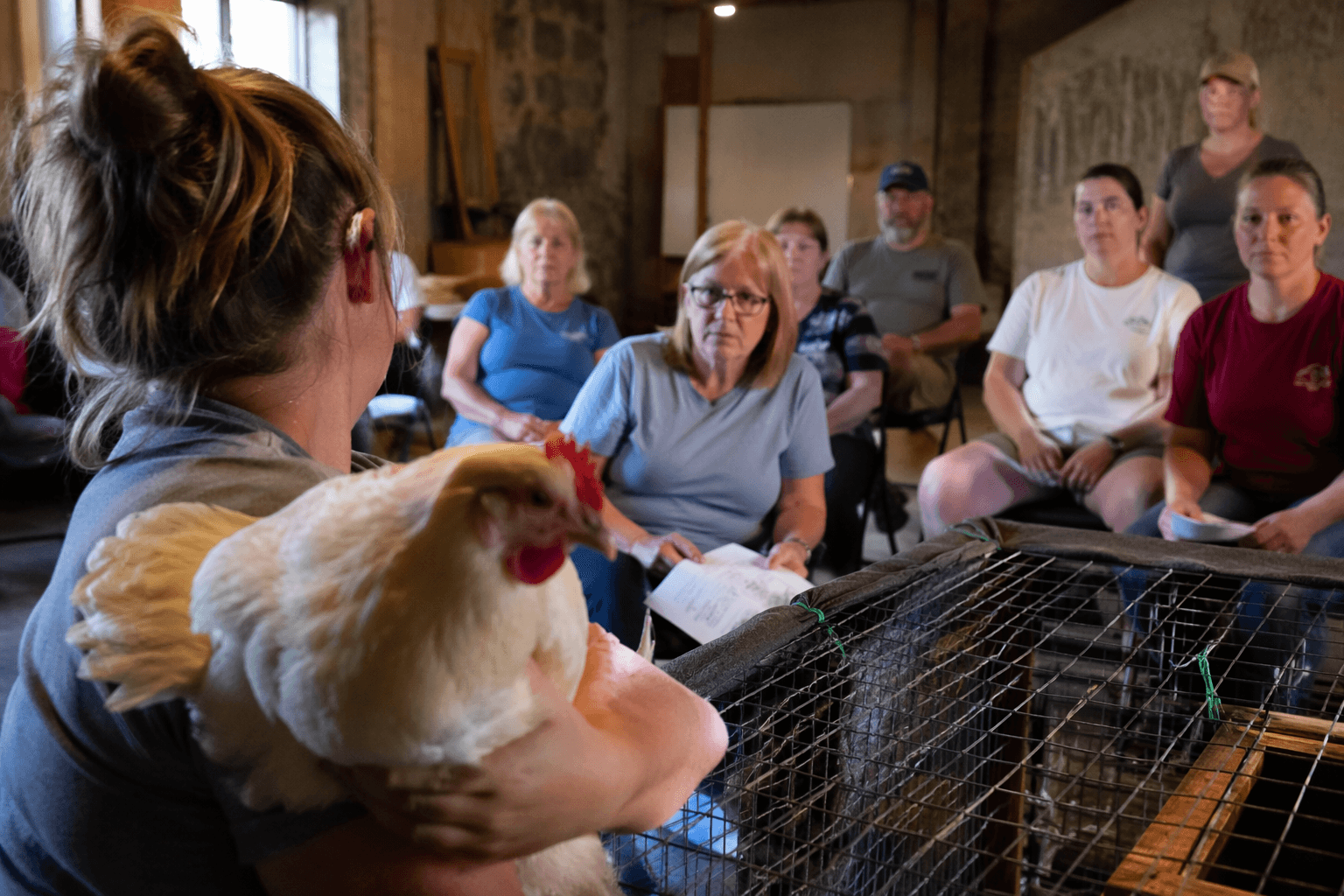
A backyard flock looks simple until feed, space and predators start setting the terms. Macon’s Chicken Basics, a free beginner class in The Resilient Life Series at the Theron Ussery Community Center in North Macon Park, pushed people past the egg fantasy and into the practical choices that make chickens manageable at home. Local keepers Caleb Grimes, Tamera Pierce and Sarge were there to talk through what a flock actually needs in Middle Georgia, not what looks cute in a coop photo.
What the Macon class was really for
The event ran on Saturday, June 27, 2026, and it was built for beginners. It was family-friendly, with kids kept busy while adults listened, and Naomi Rosan framed the session around resilience, food skills and self-sufficiency. Grimes got into chickens when supply chains started breaking down in 2020, which is a very different reason from buying a few birds on impulse, and it fits the larger Georgia picture: broilers and eggs are the state’s two largest agricultural commodities, making up nearly 40 percent of Georgia agriculture.
Size the coop before you buy birds
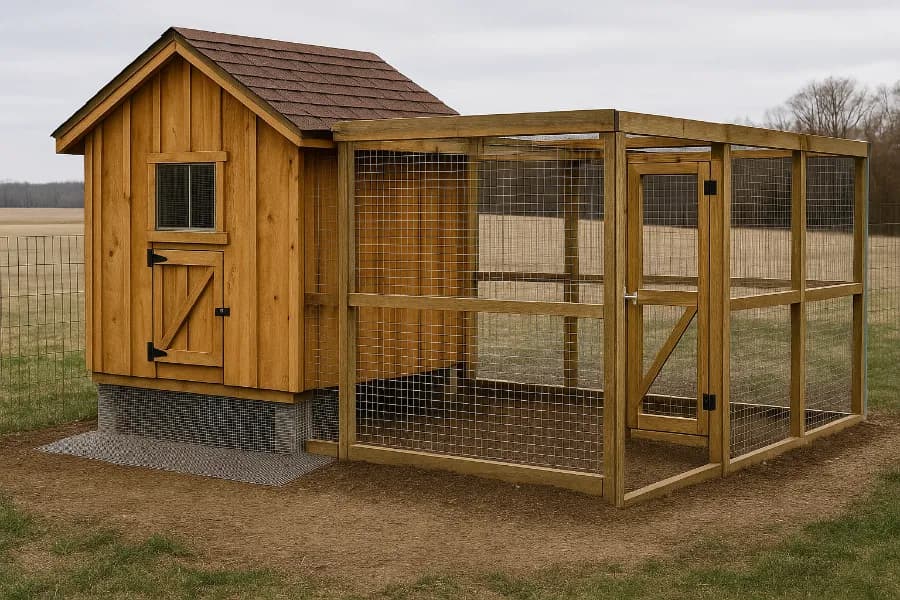
The first real lesson is that the coop is not an afterthought. Merck Veterinary Manual puts laying hens and larger chickens at roughly 1.5 to 2 square feet inside the coop and 8 to 10 square feet in an outdoor run, and it reminds keepers that space needs change with bird size and activity level. UGA’s backyard flock guide pushes the same point in a more practical way, telling people to think about future expansion before the flock outgrows the layout.
That matters in Macon because scale changes fast. Rosan had once raised flocks of 20 to 30 birds in Crawford County, then had to downsize to four chickens after moving to Macon. That kind of shift is exactly what beginners need to think through before they order chicks, because a flock that fits on paper can still swamp a yard, a run or a weekend schedule.
Budget for feed and water first
Feed is the bill that surprises people. UGA Extension flatly says feed is the greatest cost when raising chickens, and its nutrition guide notes that animal feed can be the major expense in animal production, with a well-balanced diet and plenty of cool, clean water doing the heavy lifting for eggs or meat. Feed recommendations also change with the birds’ age and intended use, so the ration for chicks is not the same thing as the ration for layers.
That is why a starter flock should be planned like a household routine, not a hobby splurge. If you cannot picture yourself refilling water every day, cleaning around spilled feed, and matching the feed to the flock’s stage of growth, the birds will not stay low-maintenance for long. UGA’s small-flock materials cover housing, confinement, feed, chicks, layers and diseases for exactly this reason, because the basics have to line up before the first egg ever shows up.
Build for predators and disease, not just weather
A coop needs to do more than keep rain off the birds. UGA’s guide says housing must protect chickens from predators and disease, and USDA’s Defend the Flock program says biosecurity is the key to keeping poultry healthy and reducing the risk of avian influenza and other infectious diseases. That is not abstract government language, either, because USDA says avian influenza remains an ongoing threat in both commercial and backyard poultry flocks.
For a beginner, that means thinking about the whole chain of protection before buying hens. A solid coop, a secure run, controlled access and basic biosecurity habits are what keep a small flock from becoming a disease or predator problem. The Macon chicken talk fit that reality, because the point was not novelty or bird collecting, it was helping people raise animals they could realistically care for in a home setting.
Do the local-rule math before you build
The other thing that can make or break a backyard flock is paperwork. Macon-Bibb’s planning and zoning process says a project can require a certificate of zoning compliance, and any construction over $2,500 needs a building permit. If your coop, run or fencing project is headed anywhere near that number, the cost of chickens is no longer just feed and bedding, it is lumber, wire, time and the local approvals that keep the project legal.
That is the part of chicken keeping people skip when they fall for the idea of fresh eggs. The smarter move is to ask, before buying birds, whether the yard fits the flock, whether the budget covers feed, whether the coop protects against predators and disease, and whether the local rules make the setup realistic in the first place. That is the real lesson from Macon’s Chicken Basics: the best flock is the one you can actually manage, not the one that sounds good for a weekend.
This article was produced by Prism’s automated news system from verified source data, official records, and press releases, then run through automated quality and moderation checks before publishing. The system is built and supervised by the people who set the standards it runs under. Read our full AI policy.
Did this article answer your question?