Maine warns of unusually high salmonella risk from backyard chickens
Maine health officials warned of an unusually high salmonella burden tied to backyard poultry, with CDC data showing cases in Maine and New Hampshire during a 13-state outbreak.
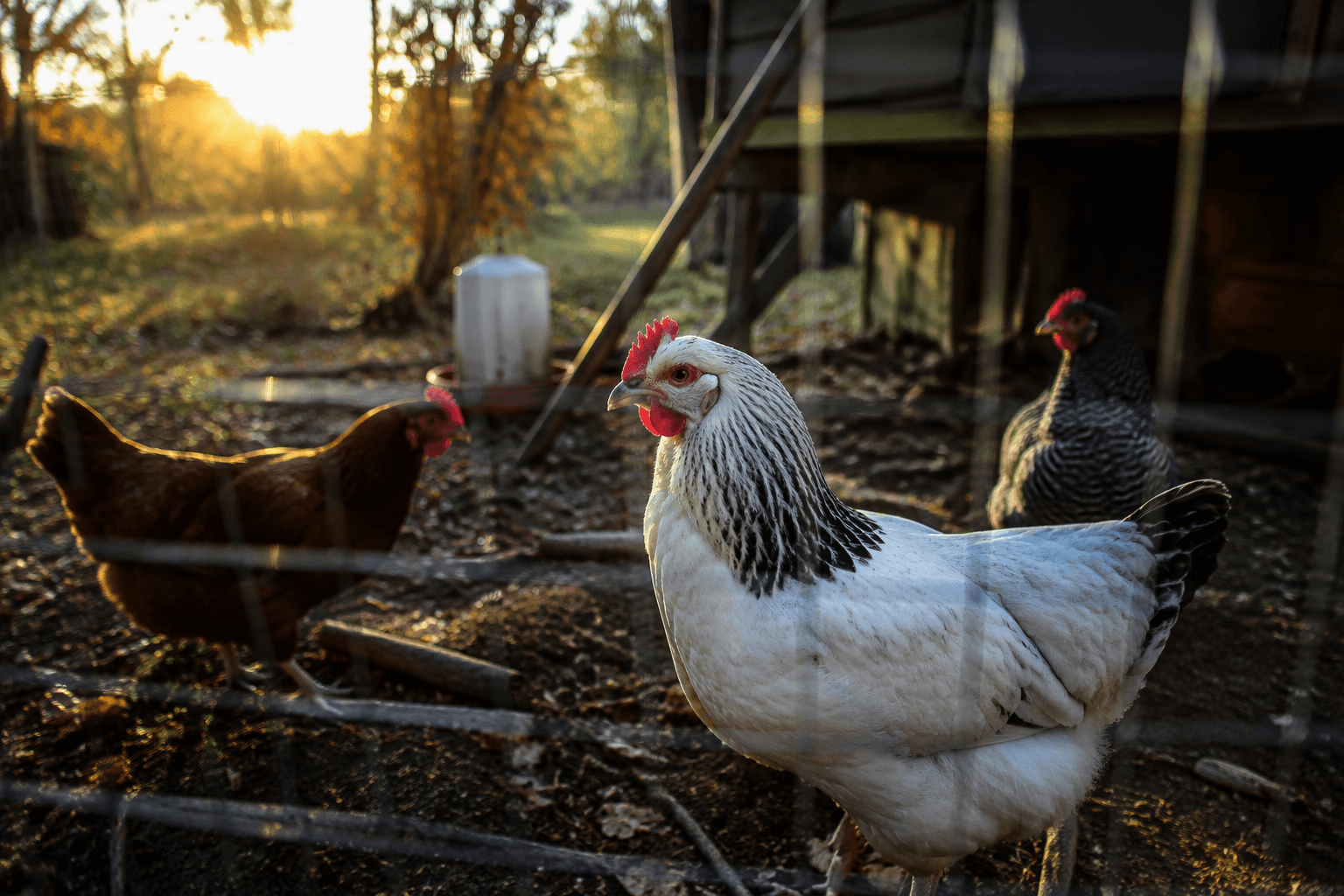
Maine health officials warned that the state was seeing an unusually high number of salmonella infections linked to backyard poultry, a reminder that a healthy-looking flock can still put families at risk. The warning lands hardest for people handling chicks, hens, eggs and coop bedding without strict handwashing.
The concern is not abstract. In April, the Centers for Disease Control and Prevention said it was investigating a Salmonella Saintpaul outbreak tied to backyard poultry in 13 states, and CDC data cited by WMUR showed one case in New Hampshire and three in Maine. A related Maine Public social post said live poultry in backyard flocks had been tied to multistate outbreaks that sickened 212 people in 44 states.
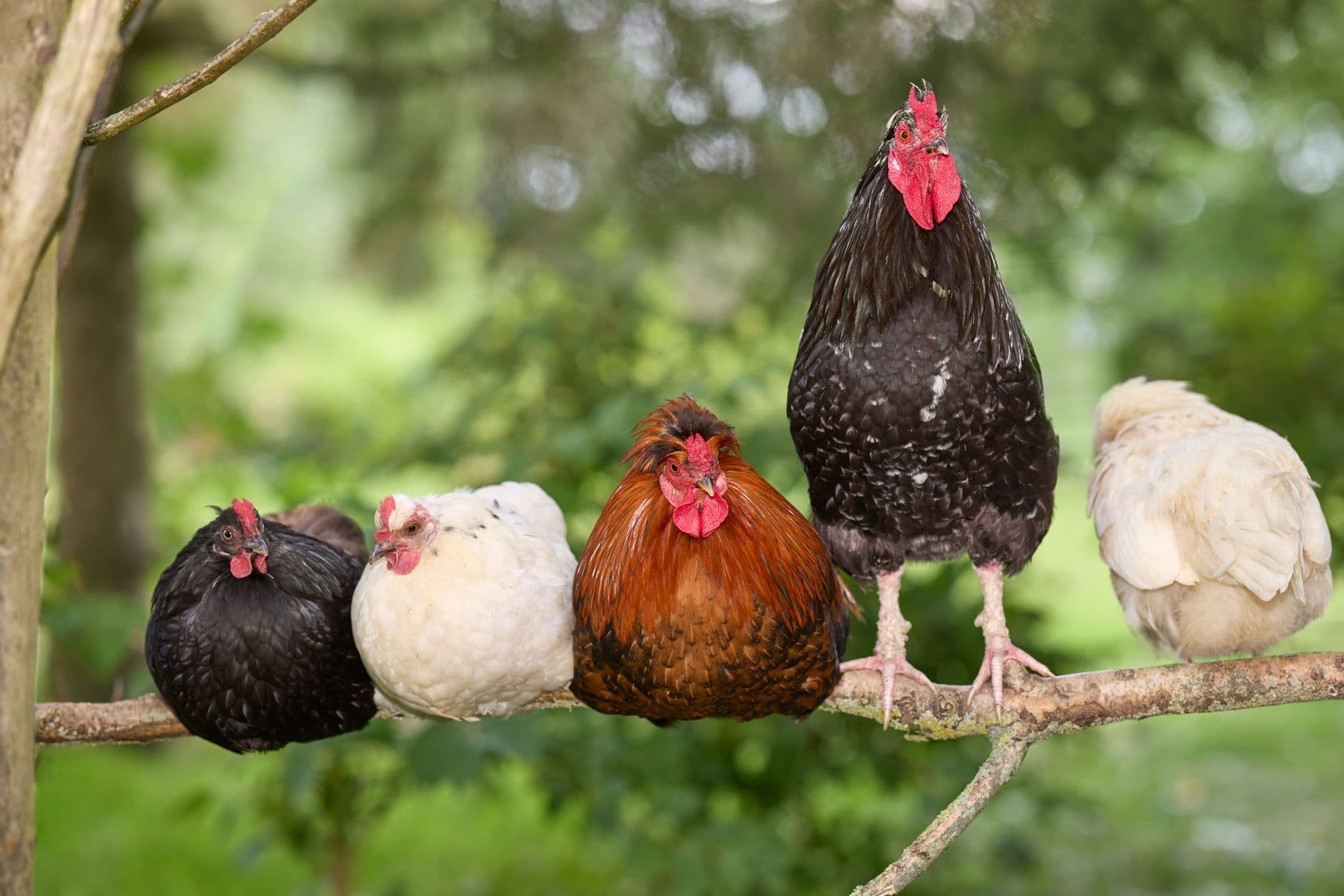
Maine outlets put the state’s own spike in plain terms: Bangor Daily News reported nearly 30 salmonella cases in Maine, while Portland Press Herald said the state was seeing a surge tied to backyard poultry. Maine Public also noted that even seemingly healthy birds can carry salmonella, and cited a figure showing 6.5% of chickens tested positive for the highest level of contamination.
For backyard keepers, the day-to-day changes are practical and immediate. Wash hands with soap and running water after touching birds or anything in their environment, including litter, feeders and egg baskets. Do not eat or drink near the flock. Keep chickens out of kitchens and food-prep areas, and do not kiss or snuggle birds close to the face. Change shoes or clothes after coop chores, especially if you are heading back inside to cook or handle children.
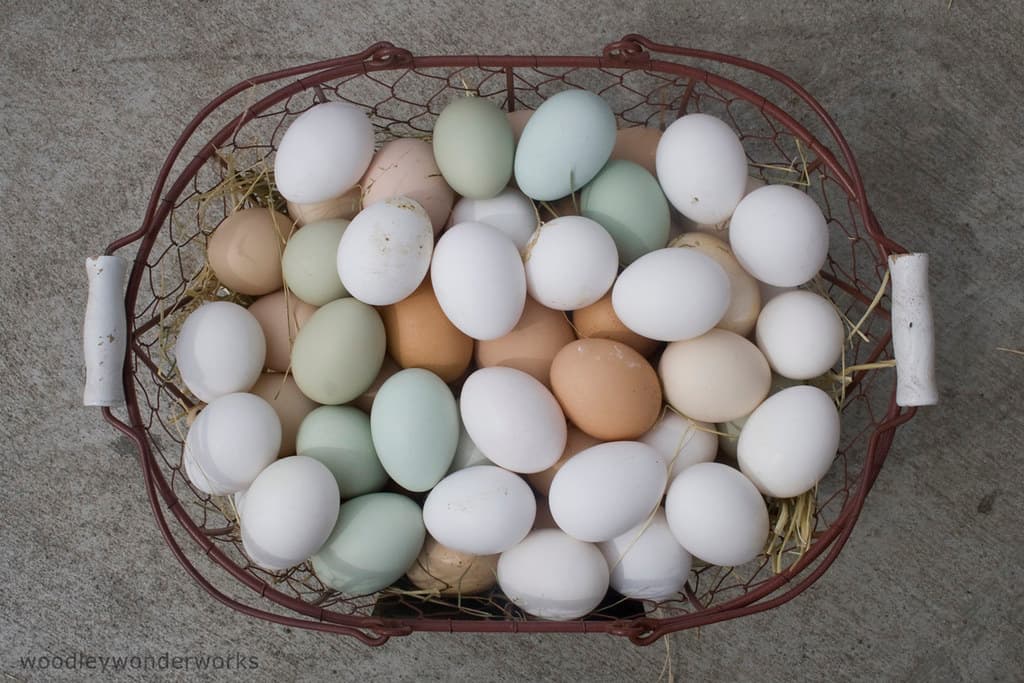
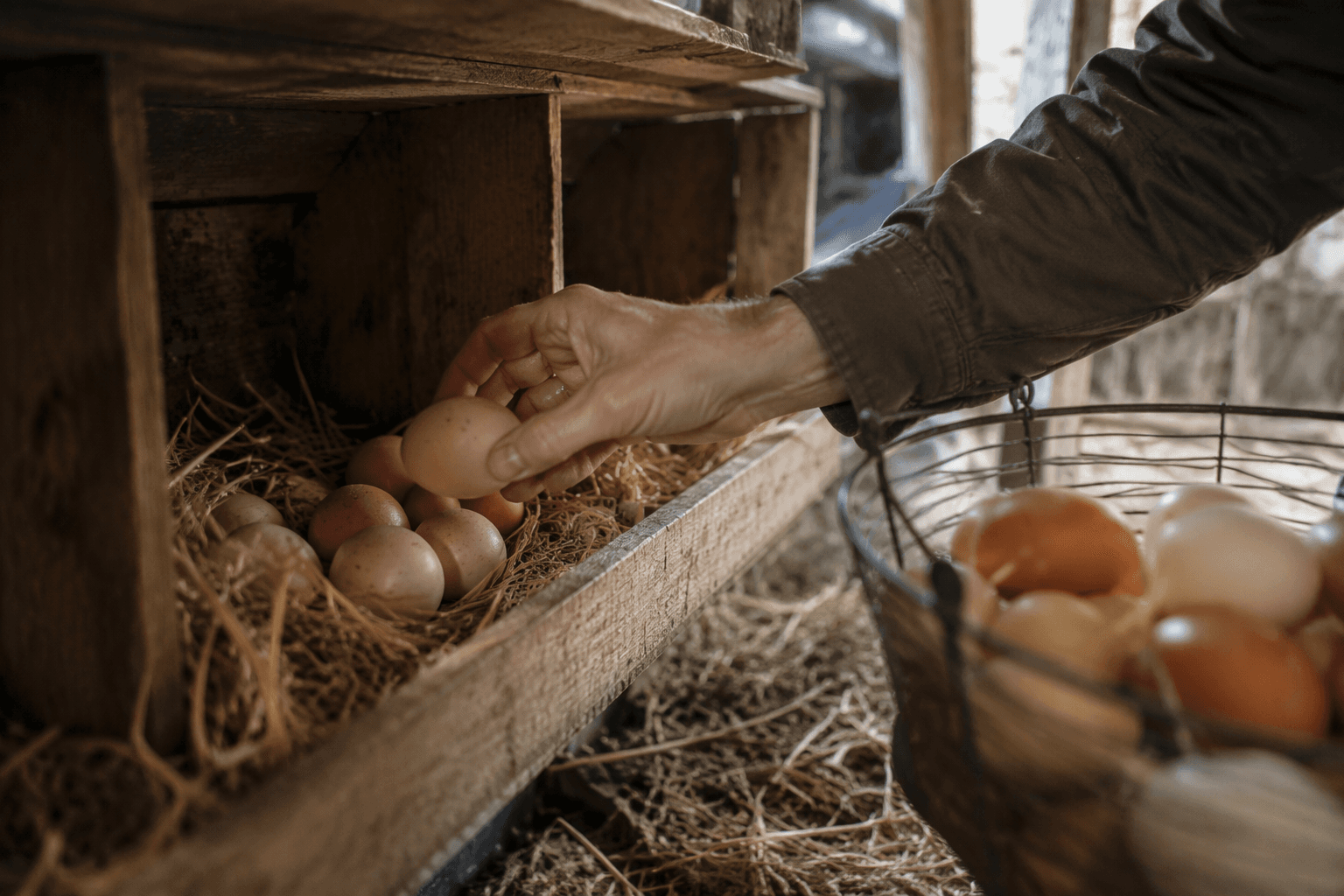
Egg handling matters too. Collect eggs cleanly, store them properly and cook them thoroughly. Coops need regular cleaning to cut contamination in the yard, because the risk is not just from direct bird contact but from the places birds have been scratching, roosting and dropping manure. Young children are among the most exposed, since they are more likely to touch birds, eggs and bedding and less likely to remember the handwashing that breaks the chain.
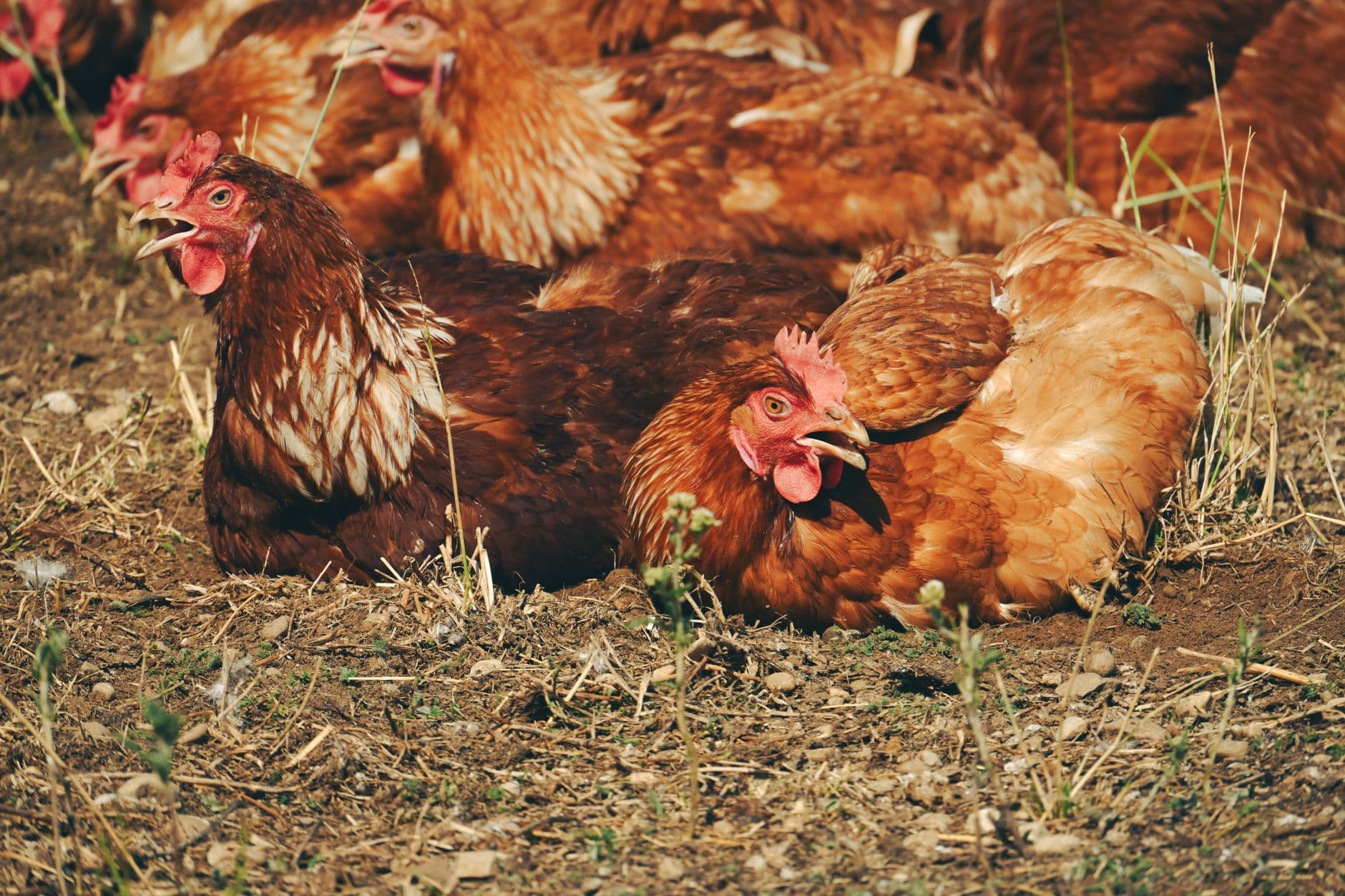
This is why the current warning cuts deeper than a routine backyard-chicken reminder. The University of Maine Cooperative Extension posted CDC backyard flock salmonella-prevention tips back in 2017, and the same basics are still the ones that matter now. When salmonella is showing up in Maine flocks and in regional outbreak data, the safest move is to treat every coop chore like a contamination job until the hands are washed and the boots are changed.
This article was produced by Prism’s automated news system from verified source data, official records, and press releases, then run through automated quality and moderation checks before publishing. The system is built and supervised by the people who set the standards it runs under. Read our full AI policy.
Did this article answer your question?