Mississippi State warns backyard chicken owners about deadly heat stress
Mississippi State Extension warned that overheated hens can stop laying for a month and, in severe cases, die. Panting and drooping wings are the first red flags.
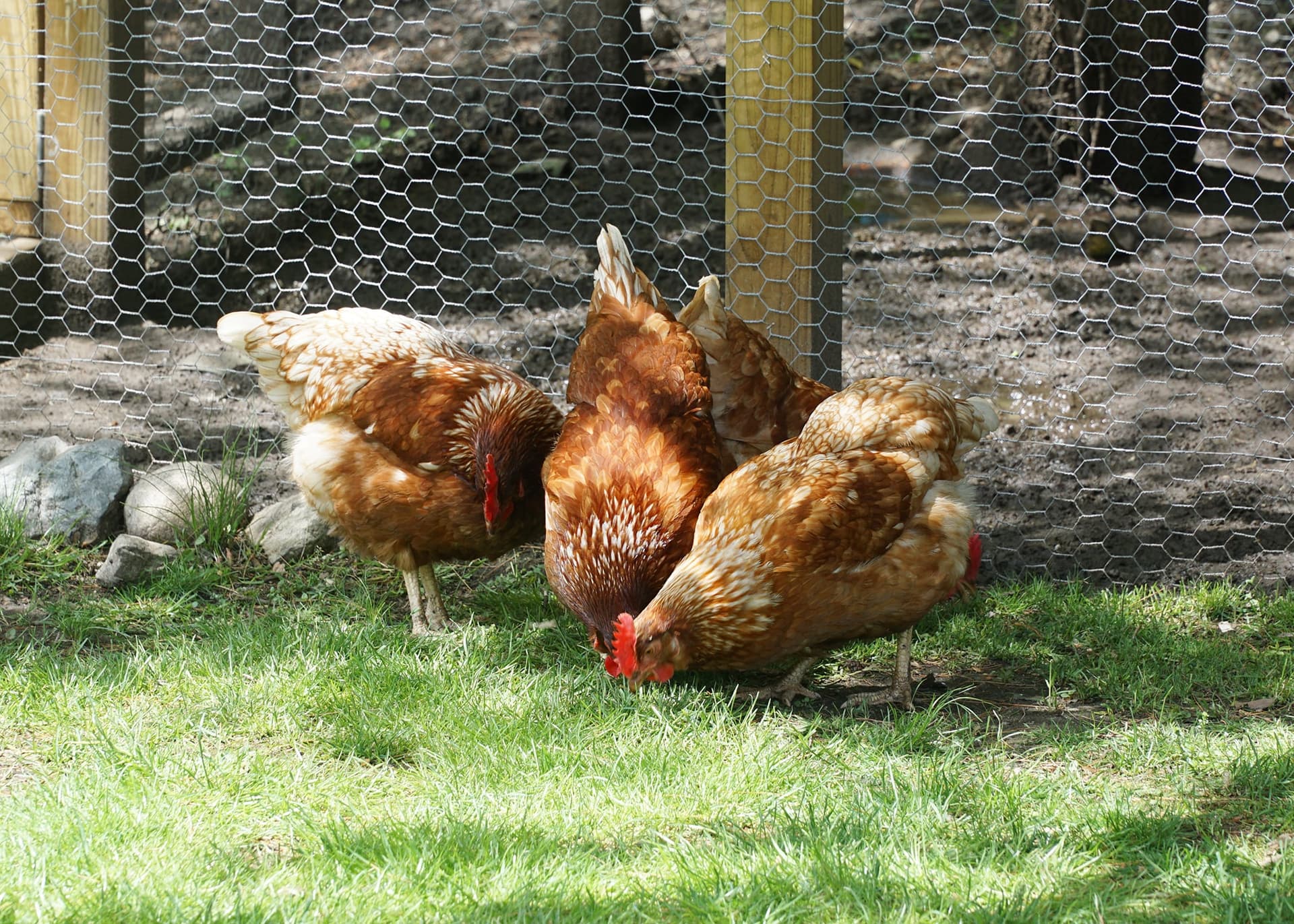
Backyard chickens can handle heat better than birds raised in tightly controlled commercial houses, but Mississippi State University Extension Service warned that summer temperatures can still push a flock past its limit. Jessica Wells, a poultry specialist who focuses on backyard chickens and also serves as an assistant teaching professor in the MSU Department of Poultry Science, said extreme heat can become dangerous or even deadly for hens.
The first signs are easy to spot if you know what to look for. Wells pointed to panting and drooping wings as the early ways chickens try to shed heat. As stress worsens, combs and wattles can lose color, and birds can turn lethargic. The danger is not just a temporary dip in comfort. Heat stress can cut egg production, and if it is severe enough, it can kill a bird.
Wells said a hen that stops laying because of heat stress may take about a month to return to normal production, although some hens can fully recover. That makes prevention a lot more valuable than recovery. The extension advice centered on the basics that matter most in a Mississippi summer: give birds shade throughout the day, improve ventilation in the coop or run, and keep fresh, cool drinking water in front of them at all times.
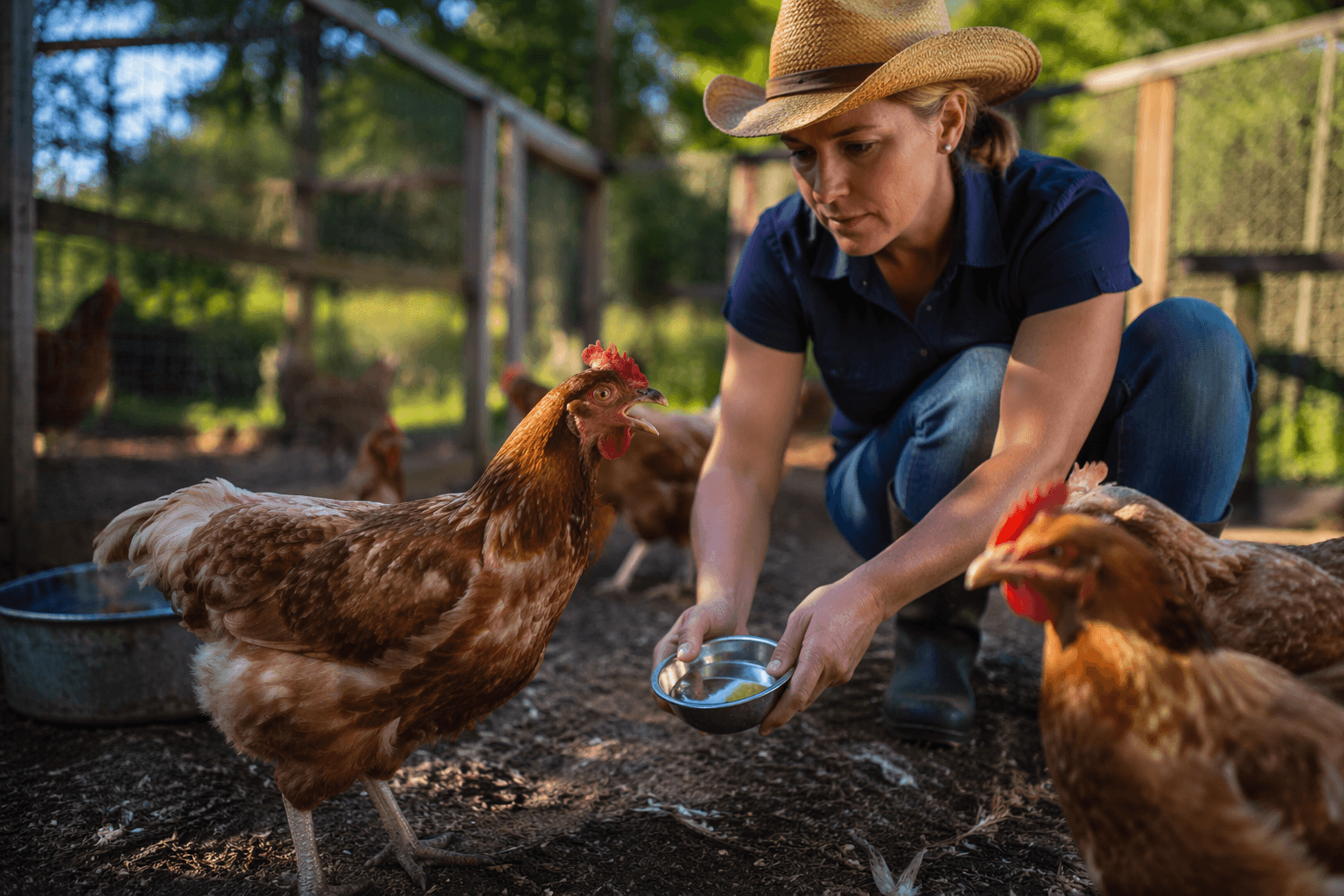
If a hen is already in distress, Wells recommended a direct response: submerge the lower body in cool, but not icy, water while keeping the head above water. She also said fans or misters can help bring down the air temperature around the birds, and water that is cooler than the air can help hens regulate body temperature more effectively. Those are simple fixes, but when the heat index jumps, simple fixes are often the difference between a rough afternoon and a dead bird.
Feed management matters too. Because chickens often eat less in hot weather, Wells recommended offering the normal ration during the cooler early morning hours. Frozen fruits or vegetables in ice trays can work as a treat, but they should never replace a balanced diet. That is the practical takeaway from the warning: when the weather turns brutal, small changes in shade, airflow, water, and feeding routine can keep heat stress from turning deadly.
This article was produced by Prism’s automated news system from verified source data, official records, and press releases, then run through automated quality and moderation checks before publishing. The system is built and supervised by the people who set the standards it runs under. Read our full AI policy.
Know something we missed? Have a correction or additional information?
Submit a Tip