Penn State course teaches backyard poultry basics for new flock keepers
Penn State's backyard poultry course works like a pre-purchase checklist, pushing you to size housing, budget, and biosecurity before the first chicks arrive.
Before you buy chicks, you need a system, not just a coop. Penn State Extension’s Raising Poultry in Your Backyard course is built around that reality, with a practical focus on the decisions that trip up first-time keepers: how many birds you can actually handle, what kind of housing fits your space, and how to keep the flock healthy once it arrives.
Start with the decision most people rush
The course is self-paced, runs about 10 hours, and is divided into eight sections. You get 365 days of access, and if you score at least 80% on each quiz, you earn a certificate of completion. That structure matters because it gives you time to work through the basics instead of skimming them the night before a feed store run.
Penn State designed it for people considering backyard poultry for pets, eggs, meat, or exhibition, plus current owners who want a better handle on management. That range is useful because a flock built for breakfast eggs needs different planning than one meant for meat birds or show birds. If you are still deciding what your birds are for, the course starts in the right place: before purchase.
What the course makes you think through first
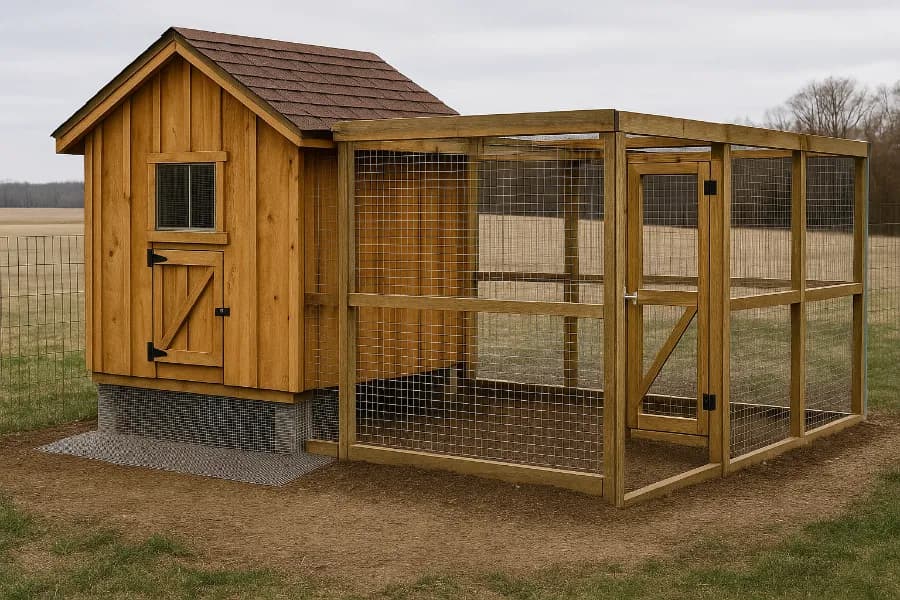
Penn State’s message is blunt: poultry are not maintenance free. That sounds obvious until you start adding up feed, bedding, housing, cleaning, and the daily time it takes to keep birds on track. The course pushes you to think about time, money, housing, biosecurity, and the effect your flock will have on neighbors before you bring birds home.
That pre-purchase mindset is the most useful part of the whole package. Backyard chickens are easy to romanticize, but the hard lessons come later, when a coop is too small, the run is too exposed, or the schedule you imagined turns into twice-a-day chores. Penn State’s worksheets for flock records and budgets help turn those questions into numbers, which is exactly what new keepers need before they commit.
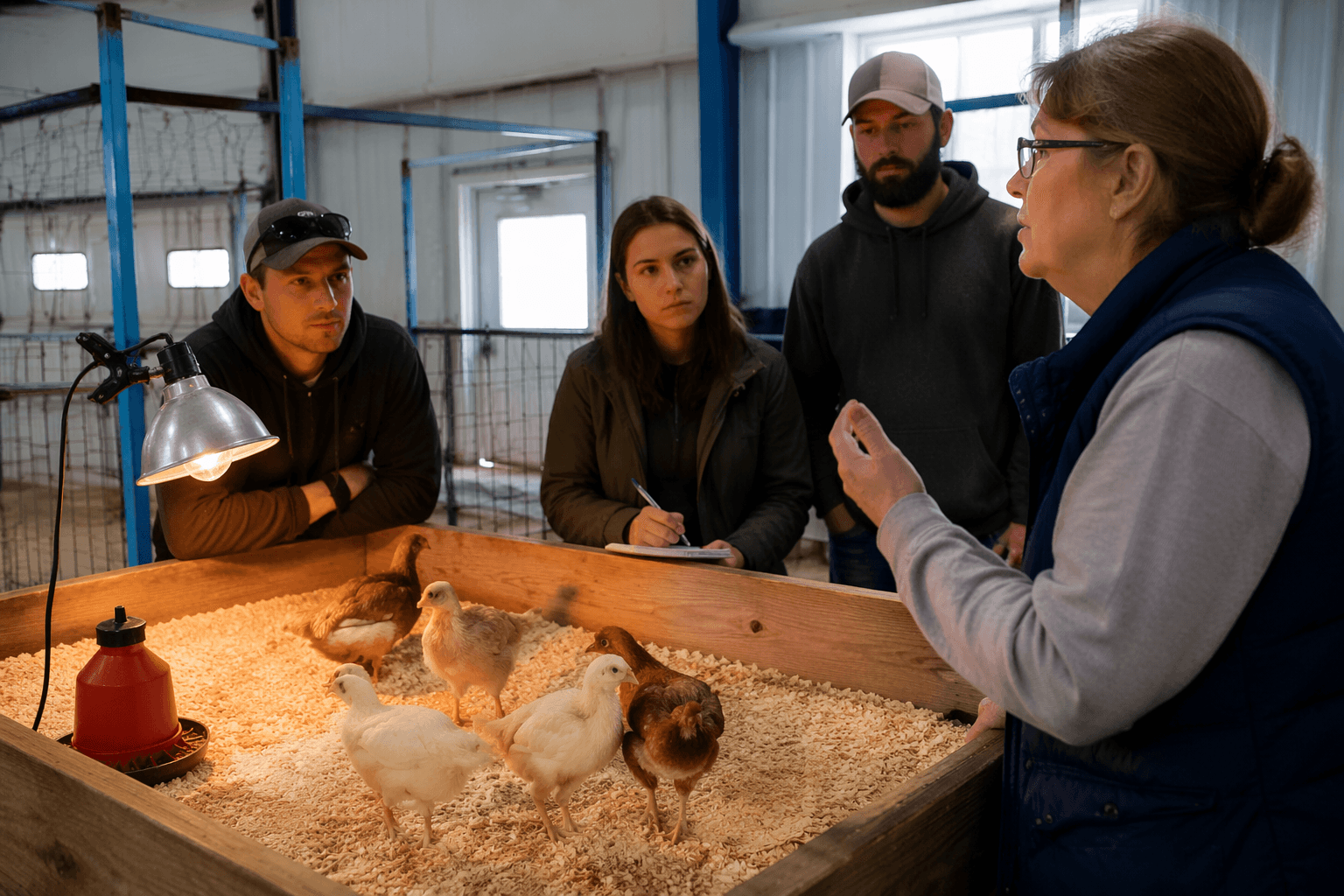
The course also covers how to choose and purchase birds, how to manage them well, and how to recognize common health problems. It includes the basics for raising birds in small spaces and addresses different end goals, from eggs and meat to exhibition. That makes it a broad primer rather than a narrow breed guide, and that is what makes it useful for a first flock.
Biosecurity is not an optional extra
The course’s biosecurity emphasis is not there for decoration. Penn State says avian influenza has affected all 50 states during the current outbreak, including Pennsylvania, and its faculty and educators have served on a statewide avian flu task force chaired by the Pennsylvania Agriculture Secretary. That is the backdrop for any serious backyard poultry plan right now.
CDC guidance makes the risk even more concrete. Backyard bird flocks can be exposed when wild birds carry bird flu onto the property, and poultry can become very sick and often die from infection. That means the basics are not abstract advice. You need to keep sick or dead birds, contaminated feces, litter, and surfaces off your bare hands unless you are using PPE, wash your hands after handling birds, and keep poultry out of the house, especially food-preparation and food-storage areas.
If birds start acting off, CDC says to work with a veterinarian or local extension agent. In contaminated areas, PPE may still be needed until infected birds, eggs, feces, and contaminated litter are gone, or through a 150-day fallow period after flock depopulation if that approach is used. That is a long tail on a problem most people only think about when the first bird looks listless.
The bigger picture behind the backyard flock
This kind of course is showing up at a good time because backyard poultry keeping is no longer a tiny side issue. USDA’s National Animal Health Monitoring System ran its first Backyard Animal Keeping Study in 2024, and APHIS said the study produced national estimates on the percentage of adults who kept poultry, pigs, goats, or rabbits. USDA also ran a second survey in Denver and Miami to estimate the share of adults in those urban areas who kept chickens, pigs, goats, or rabbits and to compare chicken ownership beliefs between 2012 and 2024.
That federal work lines up with what CDC found in a 2026 survey of 638 U.S. backyard flock owners. Since 2024, CDC said, three human influenza A(H5) cases had been reported among people in the United States who own backyard birds. Roughly one third of respondents did not know the signs and symptoms of avian influenza in birds or humans, and many said wild birds could reach their flock, feed, or water, which raises exposure risk.
Those numbers matter because they show where first-time keepers still get blindsided. People focus on coop paint colors, egg baskets, and breed personalities. The real difference between a healthy start and an expensive mess is usually much less glamorous: whether your run keeps wild birds out, whether your cleanup routine is consistent, and whether you understand what sick birds look like before you need to call for help.
Use the course like a buying checklist, not a lecture
The smartest way to use Penn State’s course is to treat it as a pre-flight inspection before you buy birds. Work through the sections on selection, housing, health, and biosecurity, then use the worksheets to map out costs and records. If the numbers do not work, or if your setup cannot handle smell, waste, noise, or predator pressure, you are not ready yet, and that is exactly the kind of answer the course is meant to give you.
For new keepers, that is the real value here. It is not just a lesson in poultry basics. It is a reality check that makes you decide whether your yard, your schedule, and your budget are ready for living birds before the first box of chicks ever shows up.
This article was produced by Prism’s automated news system from verified source data, official records, and press releases, then run through automated quality and moderation checks before publishing. The system is built and supervised by the people who set the standards it runs under. Read our full AI policy.
Did this article answer your question?