Rhode Island bird flu case prompts euthanasia of 445 poultry, market closure
A Providence live-bird market tested positive for H5N1, and 445 chickens and ducks were euthanized the same day. The case puts backyard coops on the same risk map.
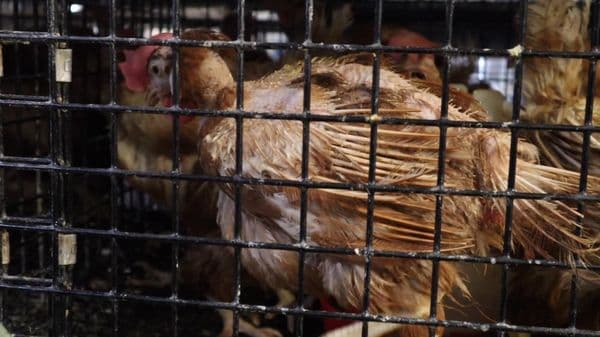
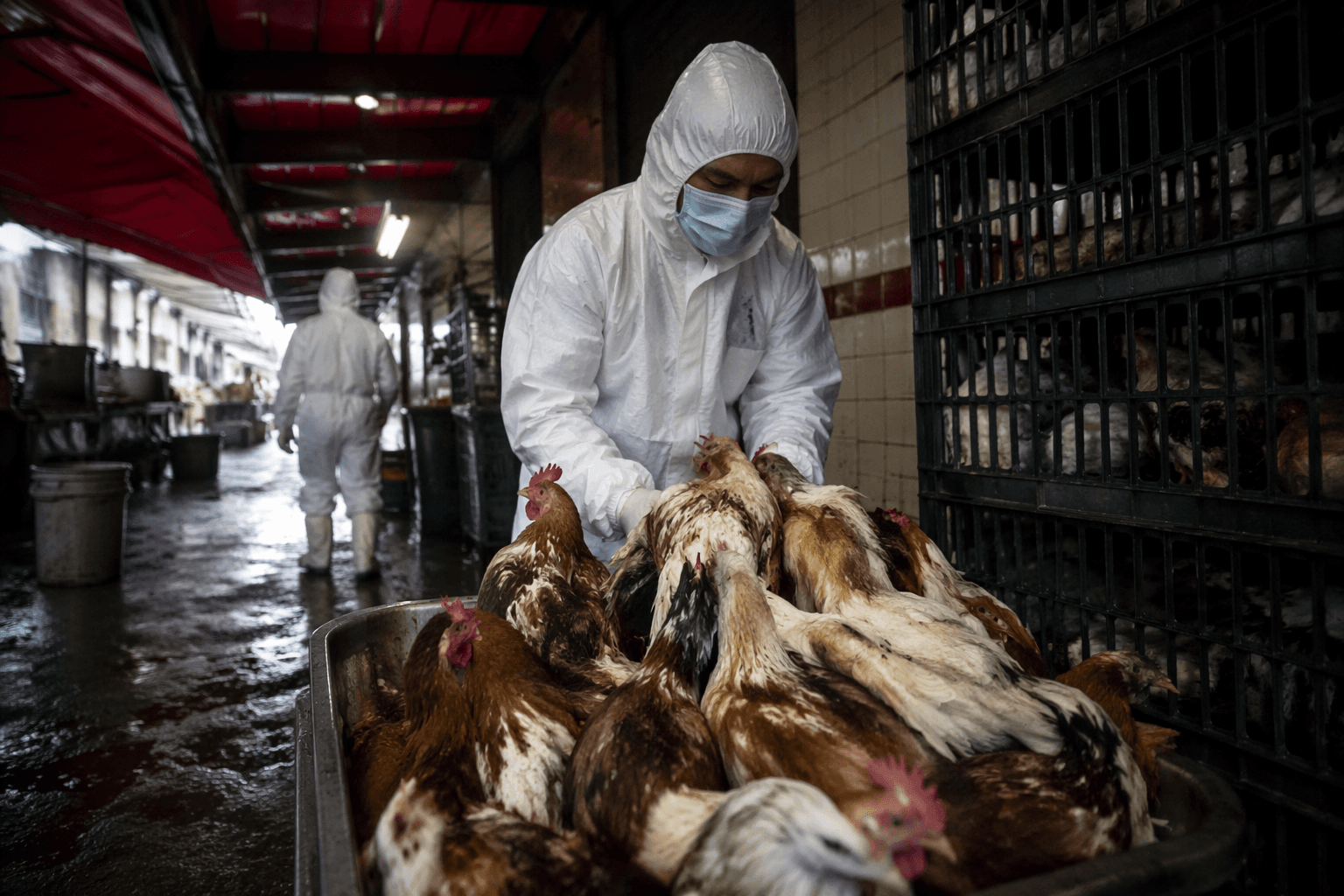
A live-bird market in Providence has become Rhode Island’s newest avian influenza warning shot, and the details matter well beyond Federal Hill. Birds at Antonelli Poultry tested positive for H5N1 during routine quarterly USDA testing, and state crews humanely euthanized about 445 asymptomatic chickens and ducks the same day to cut the chance of spread. The infected birds had come from out-of-state dealers, not Rhode Island farms, which is exactly why this case should make every backyard keeper pay attention to how birds are sourced and where they mingle.
Rhode Island health officials said Antonelli Poultry must stay closed until five days after the infected birds are disposed of and all areas are cleaned and sanitized. Staff at the market are being monitored for 10 days out of caution, though the state said the human health risk remains low. Even so, officials were blunt about the exposure path: the risk rises when people handle infected birds or contaminated surfaces, and that is the same hard lesson behind every mixed-bird setup where chickens, ducks, and unknown-origin birds share airspace, equipment, and water.
For consumers, the state issued a narrow but urgent notice. Anyone who bought poultry between June 9 and June 12 that was killed and dressed by Antonelli Poultry was told to double-bag it and throw it in the regular trash. Rhode Island also reminded residents that properly cooked poultry is far safer, because cooking to 165 degrees Fahrenheit kills avian influenza viruses. Wash hands and cutting boards after raw poultry or eggs, keep raw meat away from produce, and use a food thermometer instead of guessing.
For backyard chicken owners, this was Rhode Island’s first confirmed domestic-bird avian influenza case in 2026, but not the first time the virus has shown up in state birds. Rhode Island previously confirmed H5N1 in a noncommercial backyard flock in 2022 and in another noncommercial flock in January 2025. State guidance says the U.S. outbreak began in early 2022 and has hit more than 50 species of wild birds, along with animals including foxes, bears, and seals.
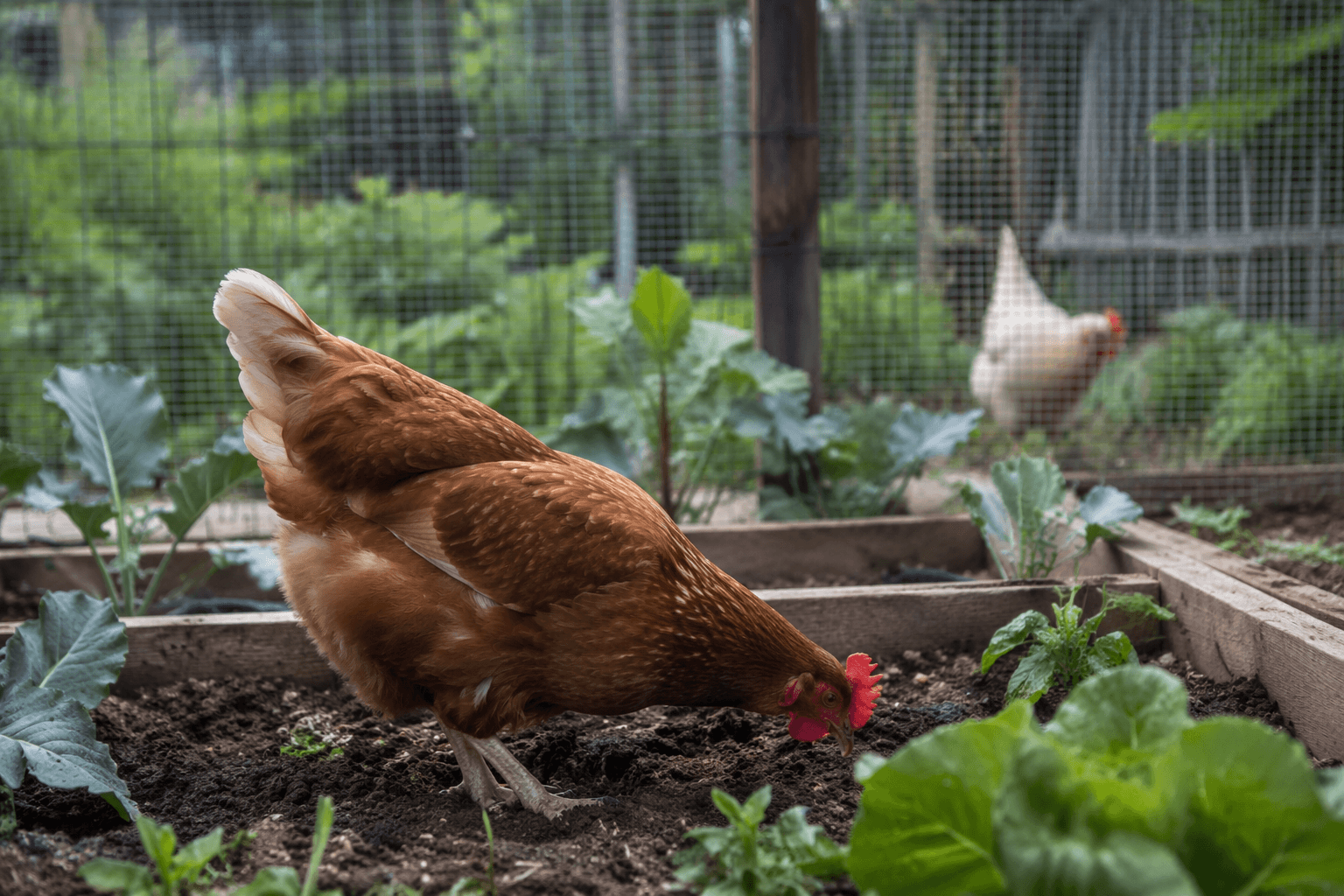
The Rhode Island Department of Environmental Management also notes a previous avian influenza outbreak in 2003 with no public-health impact. That history is useful, but this case is the sharper warning: bird flu does not need a giant farm to reach your flock. It can walk in through a live market, a dealer load, or any bird you bring home without a quarantine period.
This article was produced by Prism’s automated news system from verified source data, official records, and press releases, then run through automated quality and moderation checks before publishing. The system is built and supervised by the people who set the standards it runs under. Read our full AI policy.
Know something we missed? Have a correction or additional information?
Submit a Tip