Rising egg prices drive more families to raise backyard chickens
Eggs hit $6.23 a dozen in March 2025, and some families answered with hens, rentals and a hard reality check about costs, disease and theft.
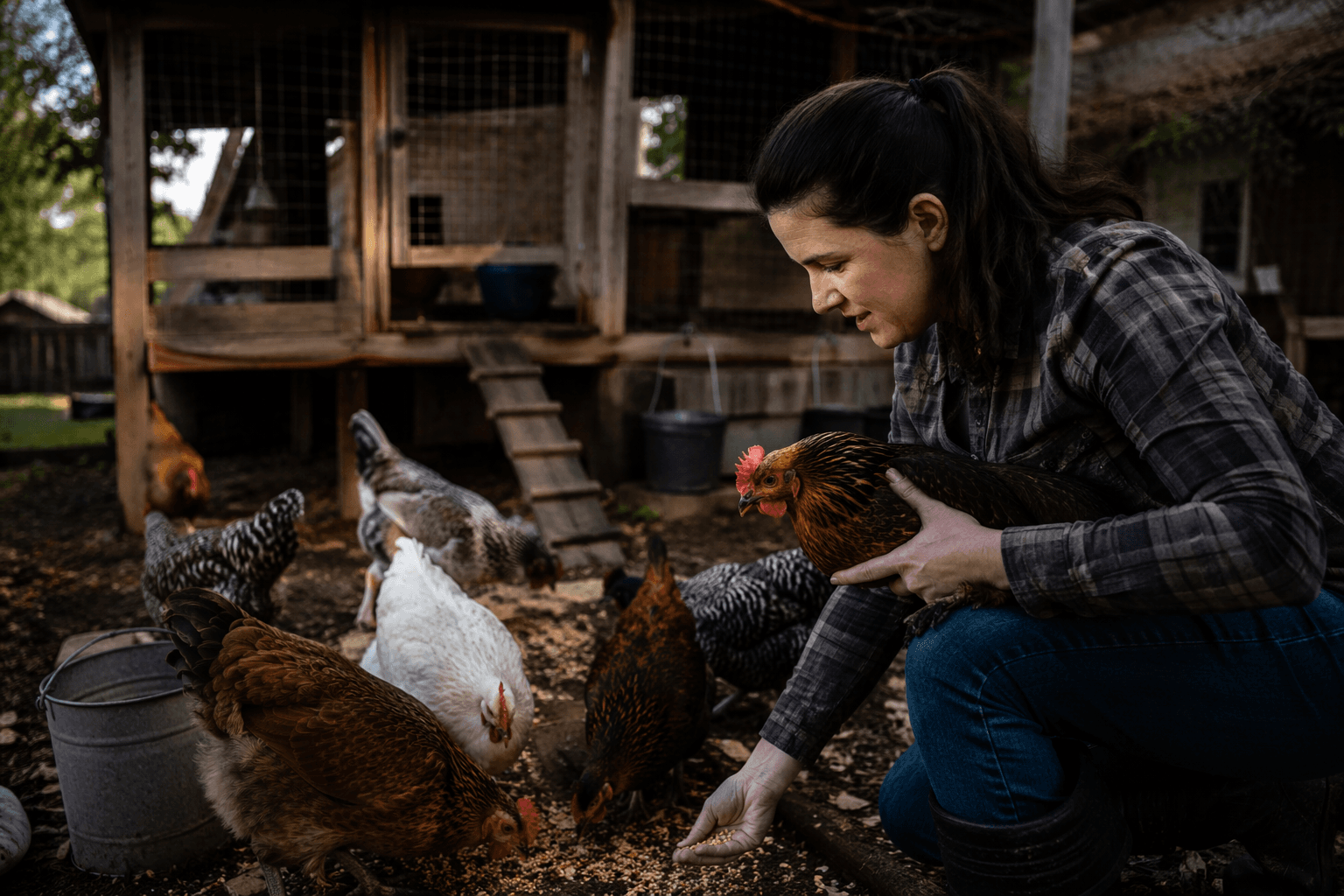
When eggs hit $6.23 a dozen in March 2025, a backyard flock stopped looking like a quaint hobby and started looking like a hedge against the grocery aisle. But the math behind that move is uglier than the romance: chicks, coops, feed, veterinary care and biosecurity can eat up the savings fast, and a flock sitting in the yard can become a target as quickly as a carton in the store.
The price spike has been real enough to change behavior. The Congressional Research Service noted that some consumers responded by illegally trying to bring eggs across the southern U.S. border or by renting backyard chicken flocks. USDA said egg-laying hens were hammered by highly pathogenic avian influenza, with 1,704 infected flocks and 173 million birds affected since February 2022 as of May 28, 2025. That outbreak helped tighten supply in a country where USDA estimated per-capita egg consumption at 274 eggs in 2024.
The surge showed up in the numbers and in the feed aisle. CBS News reported in February 2025 that egg prices were up more than 15% in January from a year earlier, to about $4.95 a dozen, while several hatcheries saw much more demand for chicks. A New Jersey feed shop said chicken-feed sales had more than doubled since October 2024, and Rent The Chicken said six-month rentals were taking off. Axios reported that 11 million U.S. households had backyard chickens, up from 5.8 million in 2018, a jump that says as much about sticker shock as it does about self-reliance.
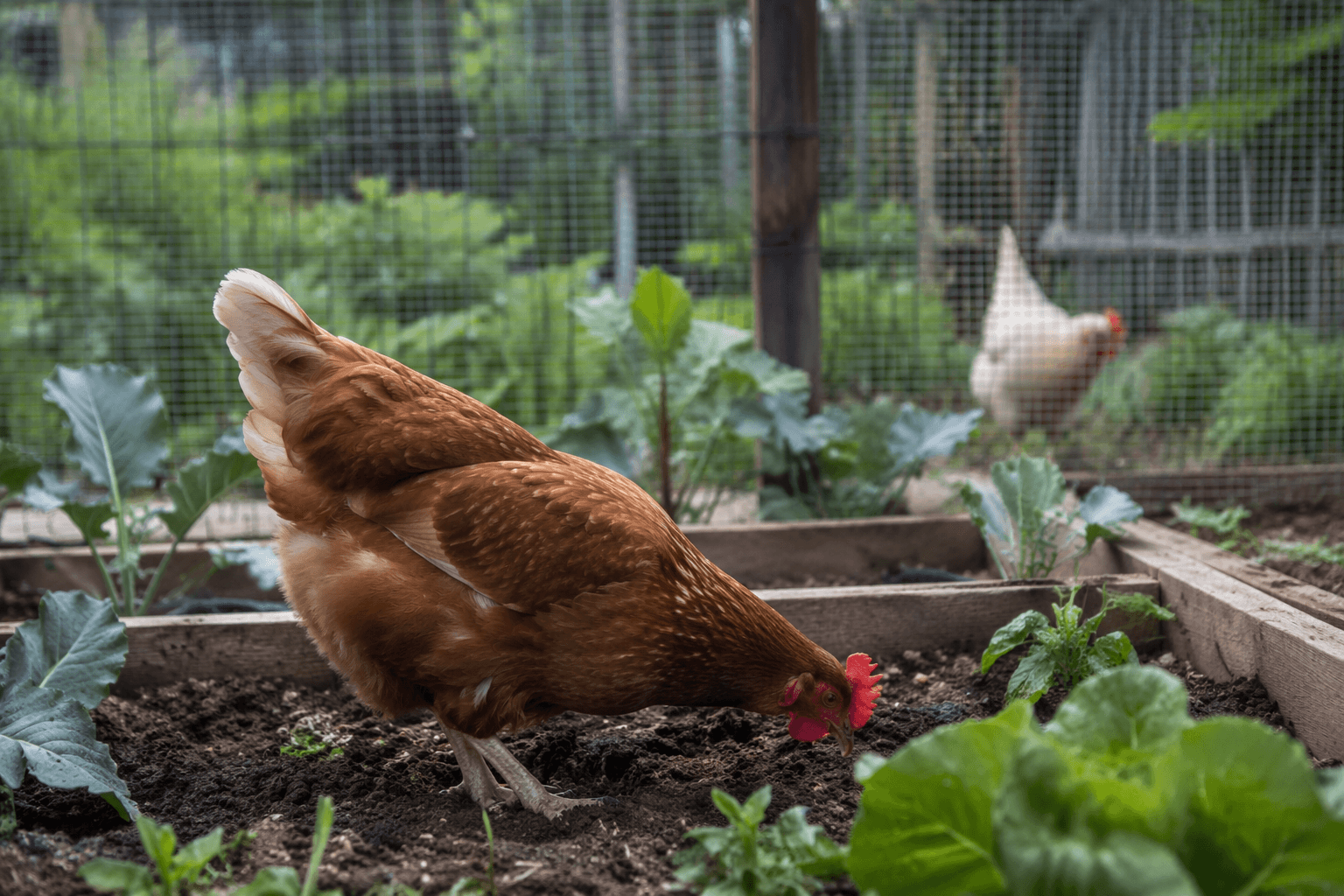
The trouble is that backyard chickens are not a clean escape from food inflation. A coop costs money. Feed costs money. So do bedding, waterers, fencing and the time it takes to keep birds healthy and keep predators out. Municipalities also often limit where and how many birds people can keep, which means the dream of cheap eggs can run into zoning before it ever pays back.
The pressure is not just hitting the chicken coop. In Canada, June 2026 reporting tied rising meat prices to more shoplifting, meat smuggling and backyard chicken farming. CargoNet-related data showed food and beverage thefts rose to 708 incidents in 2025, up 47% from 2024, with confirmed cargo theft incidents up 18% and estimated losses nearing $725 million. Meat and seafood were especially targeted in the Northeast, a reminder that high grocery prices can push people from the checkout line to the edge of theft.
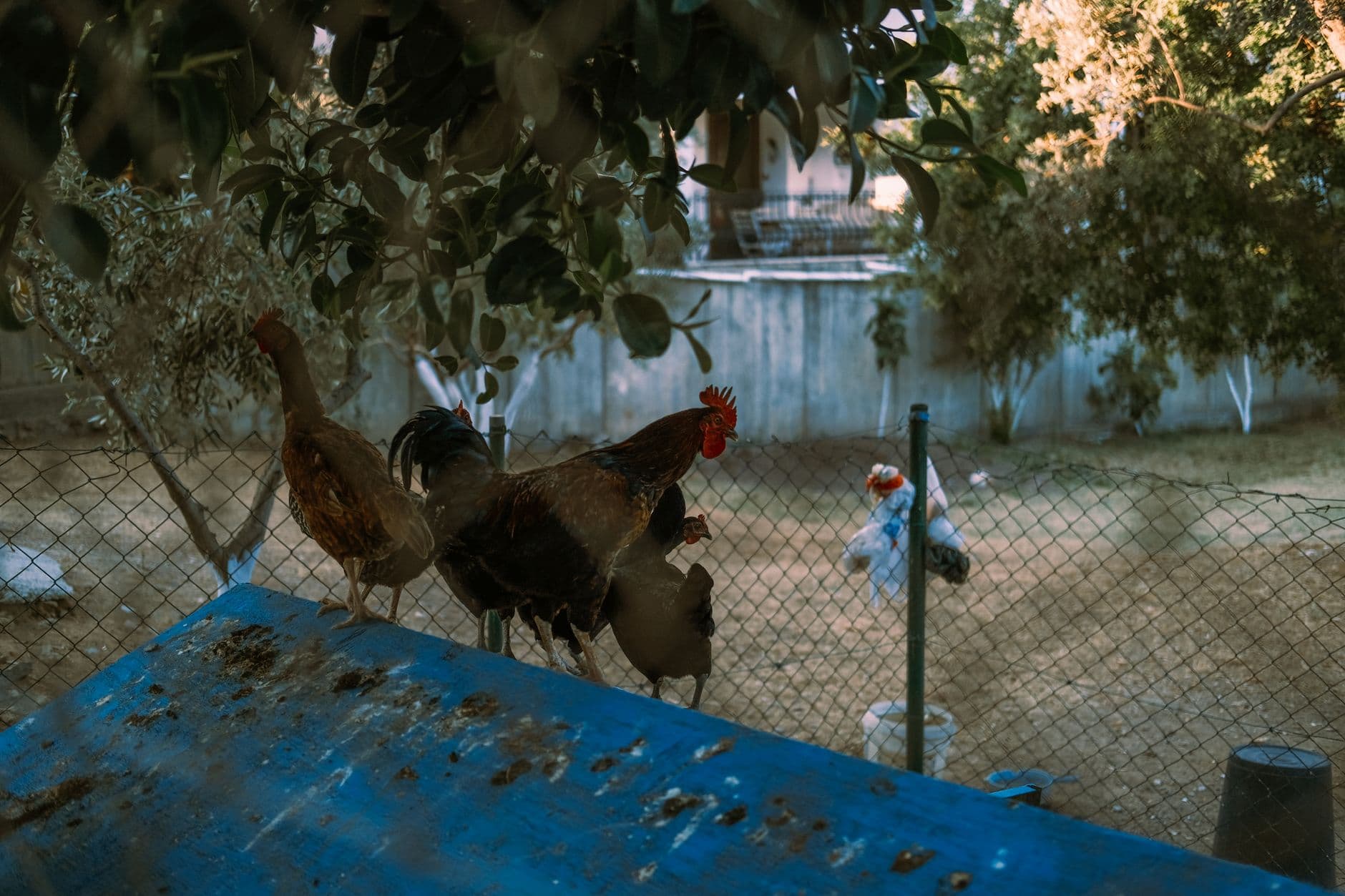
That is the real backyard chicken story right now. The flock makes sense when eggs are expensive and stores feel unstable, but the savings come with disease risk, higher upkeep and the very real problem of protecting birds that are suddenly worth more than they used to be.
This article was produced by Prism’s automated news system from verified source data, official records, and press releases, then run through automated quality and moderation checks before publishing. The system is built and supervised by the people who set the standards it runs under. Read our full AI policy.
Know something we missed? Have a correction or additional information?
Submit a Tip