Training boosts biosecurity awareness for backyard poultry keepers in Gujarat
A one-day training in Gujarat showed backyard poultry biosecurity gets better fast when keepers tighten visitor control, quarantine new birds, and guard feed and water.
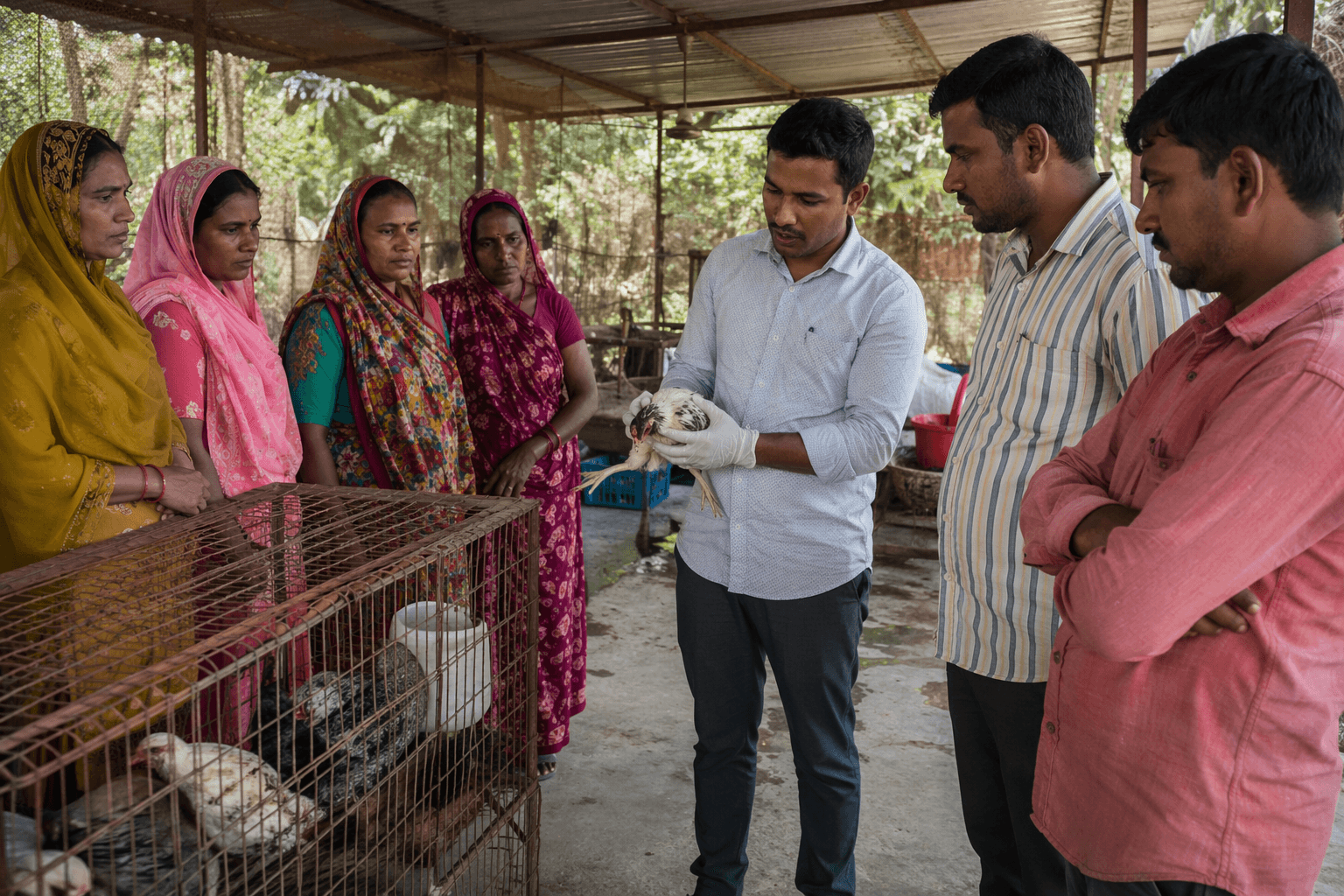
A short training session can change the way a backyard flock runs, and that is the useful takeaway here. In Gujarat, 27 poultry keepers went through a one-day biosecurity training and answered questionnaires before and after, and awareness improved after the session. The bigger lesson for small-flock owners is simple: the safest coops are not the fanciest ones, they are the ones where the daily routine makes disease harder to bring in.
What the Gujarat training really showed
The study looked at backyard poultry keepers in Gujarat, India, and mapped the habits and movement patterns that can let disease travel from one flock to another. It did not just ask what people knew, it compared knowledge before and after training, which is exactly the kind of reality check backyard keepers can use when deciding what to change first. The clearest message was that biosecurity is not abstract paperwork, it is a set of small habits that add up.
One detail matters more than most people think: the researchers also identified poultry movement pathways among farms and markets as a possible disease-spread risk. That is a reminder that disease does not only come from the birds in your own run, it can ride in on birds you buy, swap, or move through shared handling points. If your flock ever touches a market chain, even briefly, that is a place to be extra strict about quarantine and cleaning.
The habits worth tightening this week
If you keep a backyard flock, the first changes should be the ones you can actually repeat every day. The study points toward practical biosecurity, not a commercial barn overhaul, so start with the basics that create the biggest barrier between your birds and outside germs.
- Control who gets near the coop.
Limit visitors around the flock, especially people who have been around other poultry. Even a quick coop tour can carry risk if someone steps in with dirty shoes or handles birds from another flock earlier in the day. For a backyard setup, a simple no-entry rule for casual visitors goes a long way.
- Change footwear and clothes before you enter the bird area.
Dedicated coop boots are one of the easiest upgrades you can make. Keep them by the door, use them only for the birds, and avoid walking them through the garden or into the house. If you have a lot of bird traffic, a simple outer layer for coop chores is enough to keep manure, litter, and dust from hitching a ride back and forth.
- Quarantine new birds before they meet the flock.
This is the habit too many small flock owners skip because it feels inconvenient. Any new chicken or duck should stay separate long enough for you to watch for coughing, sneezing, diarrhea, lethargy, or other signs that something is off. The point is not just to wait, it is to keep new arrivals from turning into the fast lane for disease.
- Protect feed and water like they are part of the coop, because they are.
Feed and water need to stay clean, covered, and out of reach of wild birds, rodents, and mud. Backyard birds that eat from open bins or drink from splashed-up containers are exposed to whatever else has been around those dishes. Clean containers are only half the battle; placement matters just as much.
- Clean with a routine, not only when things look dirty.
Biosecurity is not the same as a once-a-month scrub. Remove wet bedding, wash dirty waterers, and clean shared tools on a regular schedule so manure and feed residue do not build up. The study’s focus on awareness is important here because good cleaning works best when it is treated as a habit, not a rescue mission after things already smell bad.
What you can skip if you keep a small flock
This is where backyard keepers can save themselves some drama. You do not need a commercial-scale biosecurity system to get a real benefit from these findings. A hobby flock usually does not need heavy-duty entry rooms, industrial movement logs, or complicated traffic controls, but it does need consistency where it counts: shoes, hands, birds, feed, and water.
That also means you can ignore the temptation to overcomplicate the routine. If the flock is small, the highest payoff usually comes from simple, repeatable habits instead of equipment-heavy fixes. A clean pair of coop boots, a separate spot for new birds, covered feed, and a regular wash-down of tools will do more for most backyard setups than any expensive add-on.
Why this matters beyond one farm
The U.S. poultry picture makes these habits feel a lot less theoretical. USDA’s Animal and Plant Health Inspection Service says it has been responding to an ongoing highly pathogenic avian influenza outbreak in commercial and backyard poultry since February 8, 2022, and it continues to monitor commercial birds, backyard birds, and wild birds. APHIS also says detections tend to rise in fall and spring because migratory wild birds move through at those times.
Backyard keepers also have to think about food safety, not just bird health. The CDC warned in May 2025 about a Salmonella outbreak linked to backyard poultry that sickened seven people in six states, and it later reported a much larger multistate outbreak with 559 illnesses across 48 states, 125 hospitalizations among 413 people with available information, and 2 deaths. The part people miss most often is this: backyard chickens and ducks can carry Salmonella even when they look healthy and clean.
That is why the free Defend the Flock tools from USDA are worth using, especially the checklists and practical guidance built for anyone handling poultry. The best backyard biosecurity is boring on purpose. It is the boot change, the separated new bird, the covered feeder, and the routine cleanup that keep a small flock from becoming a big problem.
For backyard keepers, the Gujarat training lands on the right message: biosecurity does not have to be complicated to work. It only has to be good enough to break the path germs take from market bird, visitor shoe, or dirty waterer into your coop, and then repeated without fail.
This article was produced by Prism’s automated news system from verified source data, official records, and press releases, then run through automated quality and moderation checks before publishing. The system is built and supervised by the people who set the standards it runs under. Read our full AI policy.
Did this article answer your question?