Vet warns H5N1 bird flu threatens backyard chickens and cats
Backyard flocks and house cats now share one bird-flu risk zone. Watch for sick hens, separate cats, and tighten coop biosecurity fast.

In Los Angeles County, 19 cats fell ill after eating raw milk, raw meat, or raw pet food, nine tested positive for H5N1, and 139 people were exposed. Ricardo J. Soares Magalhaes is warning that bird flu is not just a commercial poultry problem anymore.
What H5N1 can look like in chickens
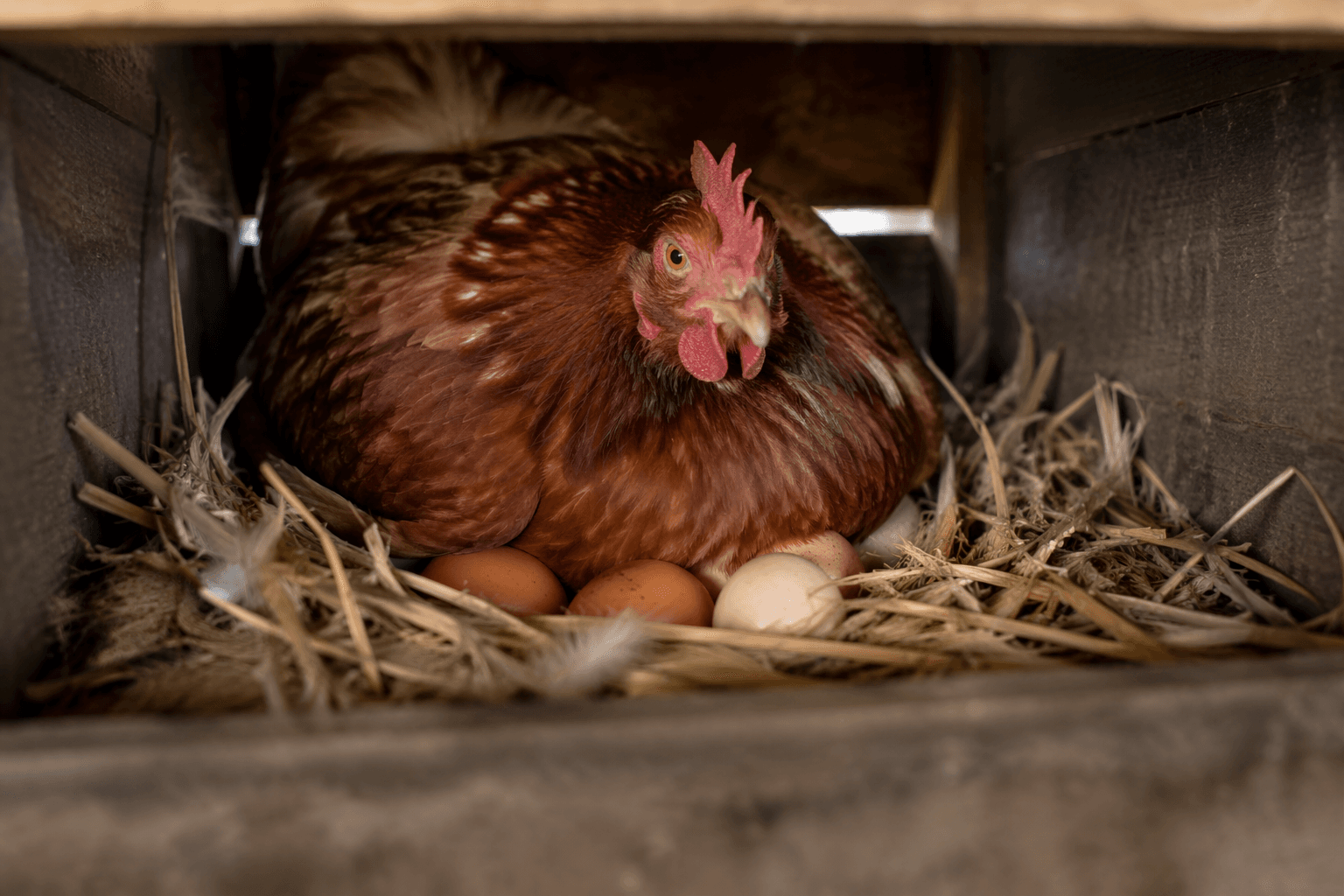
If your hens look off, trust the change, not your hope that it will pass. Infected birds can die suddenly with no warning, stop eating or drinking normally, lay fewer eggs, or start producing soft-shelled or misshapen eggs, USDA APHIS says. Other signs include swollen head or comb, purple discoloration of the comb or legs, nasal discharge, coughing, sneezing, incoordination, diarrhea, ruffled feathers, and trouble breathing.
A bird flu flock often looks like a whole-flock problem, not just one bird with a bad day. Backyard birds exposed to infected wild birds can become infected, and poultry can get very sick and usually die.
Why the cat in the yard makes this more urgent
H5N1 has infected domestic cats in the United States, and APHIS tracks known feral and domestic cats that test positive. Cats are usually dead-end hosts, but the Los Angeles County outbreak showed why owners have to think beyond the coop: one asymptomatic veterinary professional had serologic evidence of infection after occupational exposure.
The cats had eaten raw milk, raw meat, or commercially purchased raw pet food, and CDC had not documented transmission from domestic cats to humans before that event. Northwest Naturals and Wild Coast Raw both became part of the story after recalls linked contaminated raw cat food to cat illness and death. If your cat patrols the coop, eats scraps, or gets raw food, you have added another route for trouble.
The biosecurity moves that matter most right now
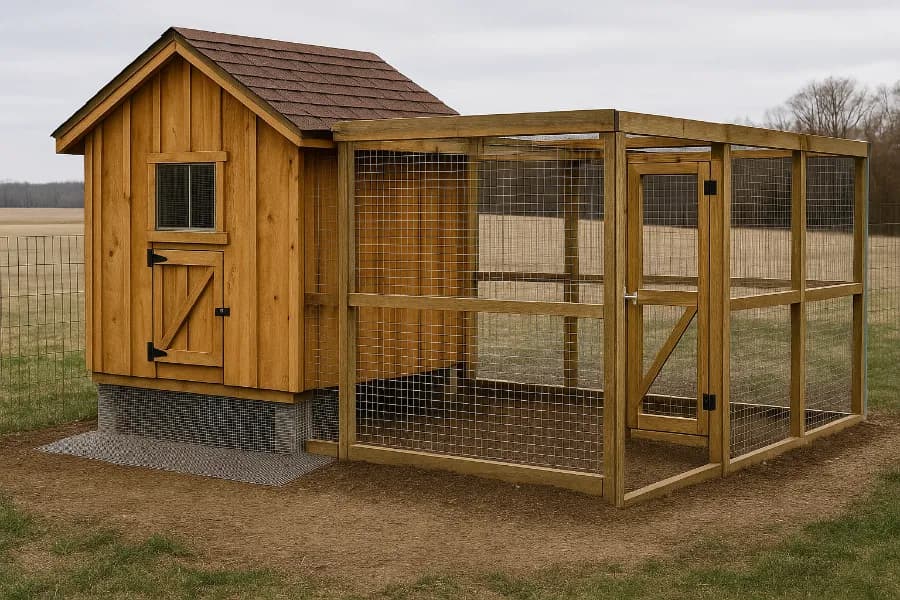
Wild birds are the biggest outside threat to a backyard flock, especially during migration. Wild birds spread virus in droppings and contaminate water sources, while people can carry the virus on boots, clothing, tools, and vehicles. The fix is not complicated, but it has to be consistent: keep feed covered, keep water clean, keep wild birds out of the run, and clean and disinfect gear after use.

Do not touch sick or dead birds, their feces or litter, or contaminated water and surfaces without PPE. If a bird is sick or you suspect bird flu, wear eye protection, gloves, boots, an N95 or well-fitting mask, and disposable coveralls before you go into the coop, and do not bring that gear into the house before it has been cleaned and disinfected.
Egg handling and cleanup
Egg handling is one of the easiest places to get careless, because the basket looks clean even when the flock is not. Once infection is confirmed, backyard owners should keep using PPE in contaminated areas until there are no longer infected birds, eggs, feces, or contaminated litter on the property. If depopulation and cleanup are part of the response, CDC says the fallow period can be 150 days.
For an active flock, that means separating chore space from kitchen space. Bring eggs in, wash hands, and keep the coop wardrobe out of the mudroom. If a hen is acting sick, treat her eggs as part of the same problem until your vet or state animal health official tells you otherwise.
When to call a vet
Call immediately if you see sudden death, a sharp egg drop, breathing trouble, swollen combs, purple legs or wattles, diarrhea, or a bird that is wobbling or off feed. Isolate sick birds and report signs of illness to your veterinarian or a state or federal animal health official. The AVMA says suspected HPAI in birds should be reported right away.
Do the same for cats that seem dull, stop eating, breathe fast, or show neurologic signs such as circling, tremors, seizures, or blindness. Those signs can show up in infected cats, along with sneezing, coughing, and rapid decline. A cat that sleeps in the barn, raids raw food, or noses around dead birds should not be left to “wait and see.”
This article was produced by Prism’s automated news system from verified source data, official records, and press releases, then run through automated quality and moderation checks before publishing. The system is built and supervised by the people who set the standards it runs under. Read our full AI policy.
Did this article answer your question?