Why Cambridge residents are raising chickens in the city
Cambridge now allows hens, capped at six unless you get a permit. The bigger story is how city lots, neighbors, and public health rules turn backyard chickens into a real urban test.
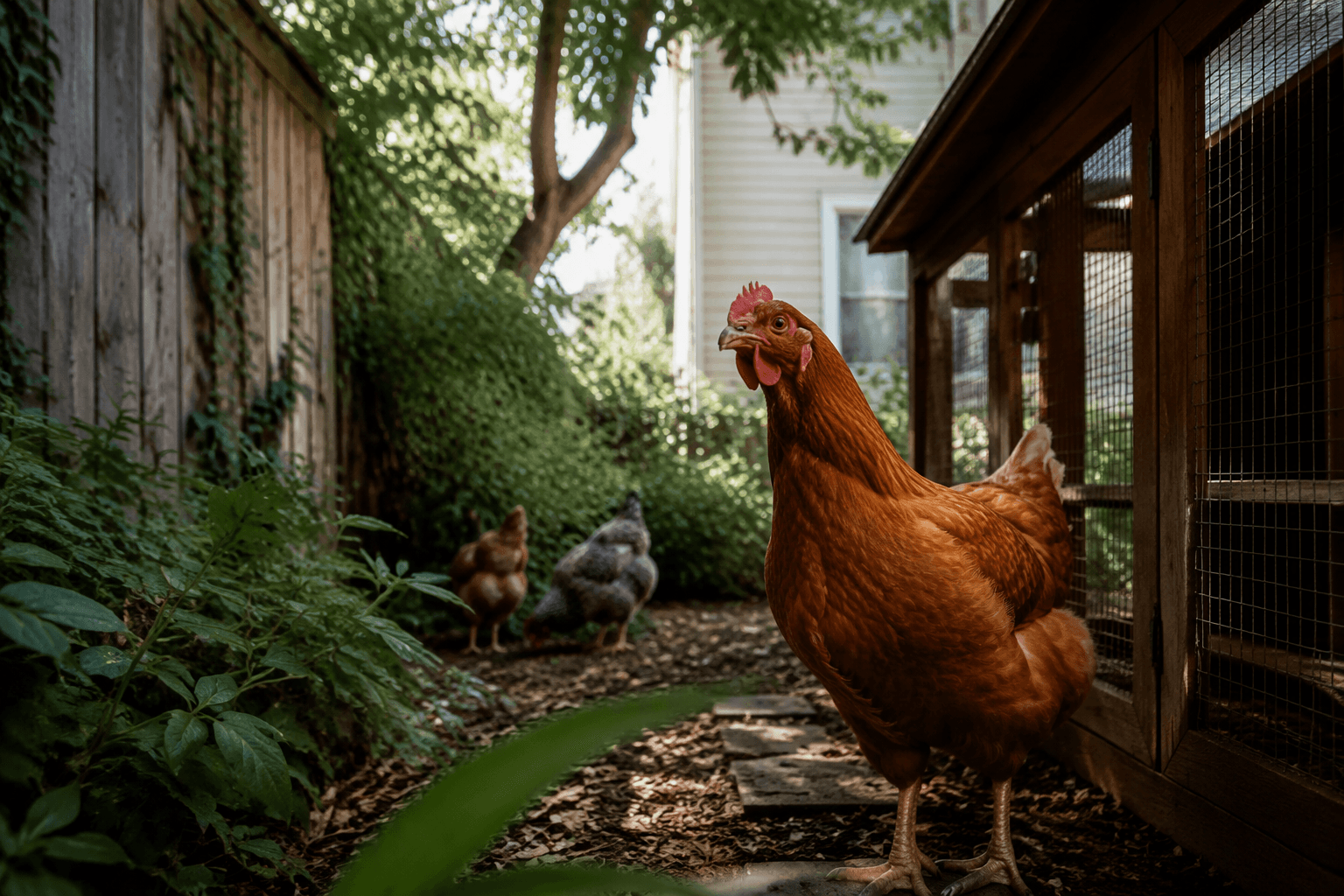
Cambridge’s chicken boom is not really about novelty anymore. The city has moved henkeeping into the rulebook, and that alone changes the question from “Why would anyone do this?” to “Can a dense neighborhood actually make it work?”
For anyone weighing a coop, Cambridge is a clean case study: hens can fit on a city lot, but only if the space, the neighbors, and the paperwork all line up. The attraction is real, from fresh eggs to a more self-reliant home life, but so are the limits.
Why hens make sense in a city like Cambridge
Cambridge public health frames henkeeping around three practical goals: healthy eating, local food resiliency, and sustainable local food initiatives. The city also treats local egg production as part of the point, which makes sense in a place where people are used to squeezing useful functions into small footprints.
That is why backyard birds have stuck around as more than a suburban hobby. In city life, hens double as pets, teaching animals, compost helpers, and a way to make a household feel a little more intentional. The appeal is not abstract. It is the simple reality of collecting eggs from your own yard and knowing exactly where they came from.
The city’s own policy history shows that the idea did not come out of nowhere. A March 22, 2017 public meeting presentation placed urban agriculture in the middle of health, social, economic, and ecological benefits, and a February 2019 Health Lens Analysis of Urban Agriculture Policy was prepared for the Cambridge Public Health Department with input from the Urban Agriculture Task Force, residents, and urban-agriculture advocates. In other words, the city had already been talking about chickens as part of a larger food-system conversation, not just a backyard curiosity.
What Cambridge actually allows
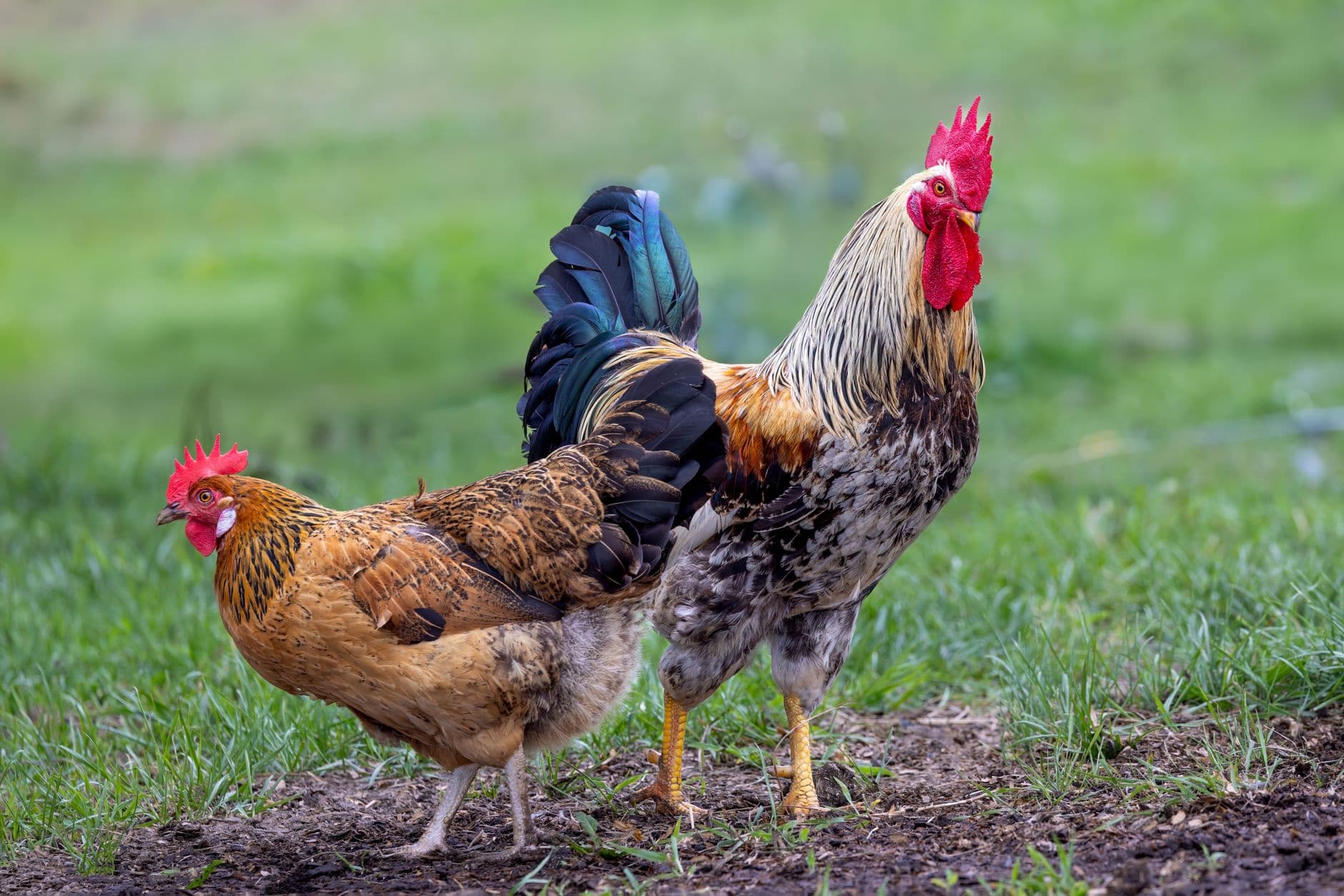
The biggest practical change is that henkeeping is legal under Cambridge’s public-health rules. The rules are specific: only female chickens, meaning hens, may be kept, and roosters are not allowed.
The flock size cap matters just as much. Cambridge’s henkeeping rules limit a household to no more than six hens unless a permit allows more. That is the kind of number that tells you exactly what the city thinks a typical urban setup should look like: small enough to manage, small enough to fit on a lot, and constrained enough to keep the noise and mess down.
The Cambridge Public Health Department says it enforces the henkeeping regulations, and the regulation text says the minimum standards are meant to promote responsible care while minimizing disease transmission. That is the real urban-chicken tradeoff in one sentence. A coop is not just a cute add-on; it is a regulated animal setup in a residential environment.
The part people tend to underestimate
The romantic version of backyard chickens is all eggs and personality. The reality in a dense city is closer to a property-management problem. You need to think about smell, sanitation, feed storage, winter care, predators, and how close your birds sit to the next yard over.
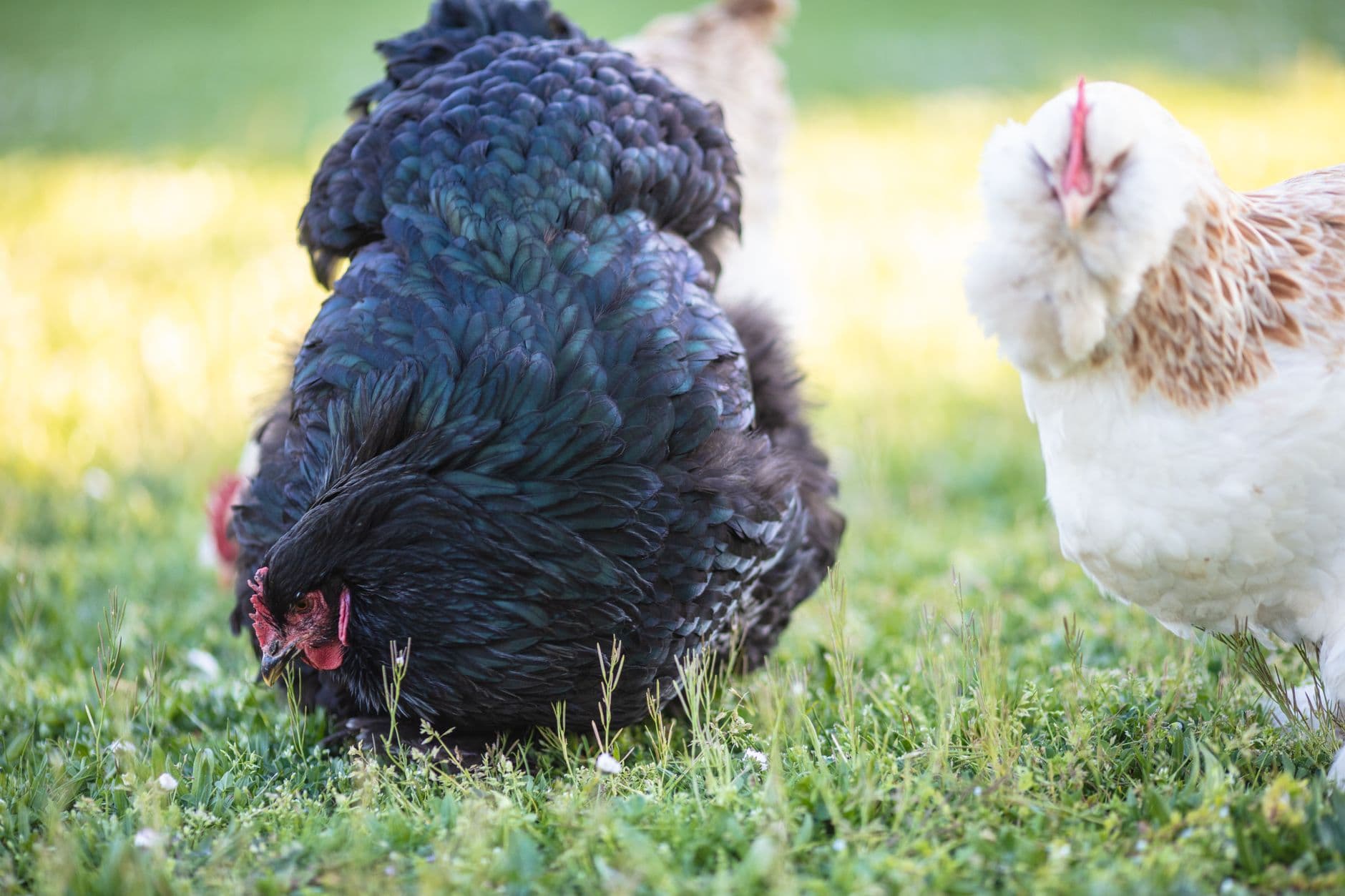
Cambridge’s own policy debates make that plain. In 2023, residents backed chickens at 117 Chilton Street after the city had ordered the birds removed because of complaints. One neighbor wrote that there were no complaints, that the chickens had never bothered them, and that removing them would be cruel. That is the actual neighborhood question with urban hens: one person’s charming coop can be another person’s nuisance, and the line between the two is often thinner than either side wants to admit.
The same year, a zoning appeal petition at 44 May Street sought a variance to keep chickens. That kind of case shows how quickly chicken keeping stops being a private hobby and becomes a zoning and neighbor-relations issue. If you are thinking about hens in a city, the coop is only part of the project. The other part is making sure the people next door can live with it.
Why the city kept revisiting the rules
Cambridge did not arrive at this policy in a straight line. The city had work underway on the issue as far back as 2010, and by 2023 the topic had reappeared at the Planning Board stage. That long lag matters because it explains why so many cities still treat hens as an edge case, even when residents are already keeping them.
The public-health department’s 2023 presentation was blunt about the logic of a ban. It argued that people were already keeping hens anyway, that a blanket prohibition made no sense, and that proper regulation could prevent unsanitary conditions. It also pushed back on a familiar city worry: the idea that chickens would worsen the rat problem. The department said those fears were overblown and that proper henkeeping would not exacerbate existing rodent issues.
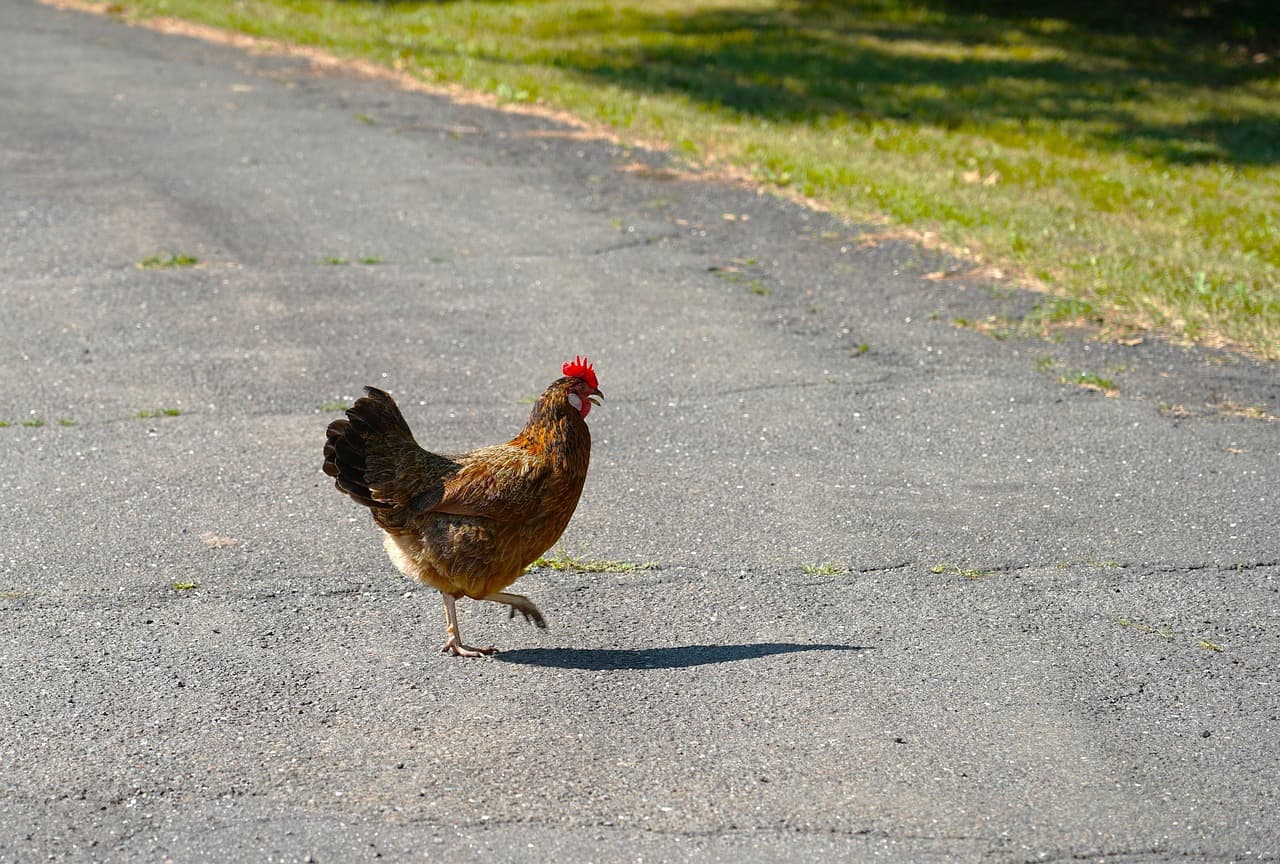
That is the kind of argument urban chicken keepers know well. The question is rarely whether birds can be kept. It is whether they can be kept cleanly enough, quietly enough, and predictably enough to survive city scrutiny.
Why Cambridge matters beyond Cambridge
The reason this story travels is that it shows how normal backyard hens have become in places that used to seem too dense for them. Once a city with Cambridge’s lot sizes, neighbor density, and policy layers starts writing out flock caps and permit rules, other cities can copy the model.
The final piece is public health. In February 2025, Cambridge Public Health Department posted a state avian flu advisory for residents, a reminder that backyard chickens sit inside a broader animal-health system whether they feel homey or not. That is the modern urban-coop reality: your birds are local, but the risks, rules, and responsibilities are not.
Cambridge’s chicken story ends up being less about a quirky coop in the city and more about what dense neighborhoods can absorb. The answer is yes, but only when the birds, the lot, the neighbors, and the health department all stay inside the same narrow fence.
This article was produced by Prism’s automated news system from verified source data, official records, and press releases, then run through automated quality and moderation checks before publishing. The system is built and supervised by the people who set the standards it runs under. Read our full AI policy.
Did this article answer your question?