Woodbury council reviews backyard chicken rules, no vote set yet
Woodbury’s chicken debate stayed open-ended at a June 24 workshop, where staff weighed rules from 13 suburbs and no vote was scheduled.

Woodbury’s backyard chicken debate stayed open-ended at a June 24 council workshop, where staff laid out rule options but no vote was scheduled. The session was listed as a discussion of backyard chicken ordinance alternatives, and the city made clear it was still comparing standards before any final code language reached the council floor.
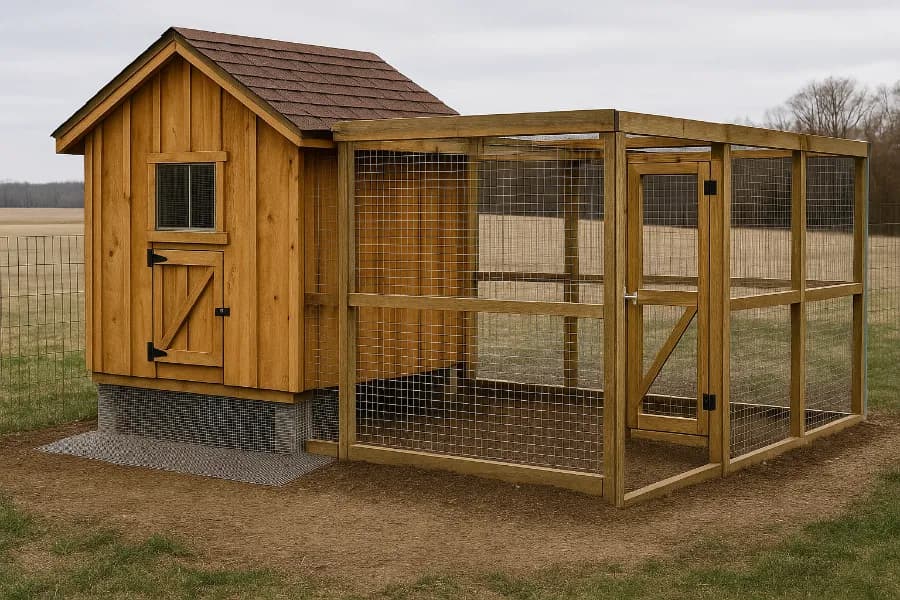
City staff had reviewed ordinances from 13 like suburbs to sort out best practices if Woodbury amends its code to allow backyard chickens in all residential zoning districts. In plain terms, that means the council was looking at the building blocks of a local rule set: how many hens a household could keep, whether roosters would stay banned, how far coops would need to sit from property lines, whether permits would be required, and how nuisance complaints would be enforced. The workshop format mattered because it was not a public hearing and not an open microphone session. Council direction would be consensus-based, and unfinished items could carry over to a later meeting.
That leaves several pieces still negotiable. Woodbury already signaled in September 2024 that it wanted to amend its livestock ordinance to allow chickens in the Urban Reserve, or R-1, and Urban Residential, or R-2, zoning districts. A later ordinance summary says the 2024 rules allowed hens only, not roosters, and capped flocks at three hens on lots from 0 to 3.99 acres, then one chicken per acre on properties of four acres or more. The June workshop raises the question of whether the city keeps that kind of lot-based limit, opens chickens to all residential zones, or lands on a permit system with tighter enforcement language.
The numbers behind the debate already showed why the issue has traction. Woodbury’s 2024 Community Survey found about nine in 10 respondents approved backyard chickens on rural estate properties of 3 acres or larger, while about six in 10 backed them on urban properties of 1 acre or larger. Woodbury’s city website also says proposed ordinance changes require 10-day public notice, so any final amendment would still face another public step before adoption. Supporters in the Woodbury Backyard Chickens and Ducks group have pointed to education and food-waste reduction, while critics continue to raise odor, pests, noise, and enforcement concerns, the same pressure points the council was sorting through as it compared suburban models.
For now, the workshop showed Woodbury still at the options stage, with the real fight centered on the details that matter in a backyard: how many birds, where the coop sits, whether roosters are out, and how hard the city wants to police the line between a manageable flock and a neighborhood complaint.
This article was produced by Prism’s automated news system from verified source data, official records, and press releases, then run through automated quality and moderation checks before publishing. The system is built and supervised by the people who set the standards it runs under. Read our full AI policy.
Did this article answer your question?