Lush backs campaign to stop dog and cat research in Canada
Lush used a glass cube of collars to push Ontario lawmakers on dog and cat research, turning a bath-bomb brand into an ethics billboard.

Lush’s latest move was not a new bath bomb, but it said a lot about why the brand still matters to people who buy fizz for more than fragrance. The company used the launch of Paws Off Our Pets to put its anti-animal-testing identity front and center, tying bath-bomb credibility to a wider promise about ethics, sourcing, and what kind of beauty brand it wants to be.
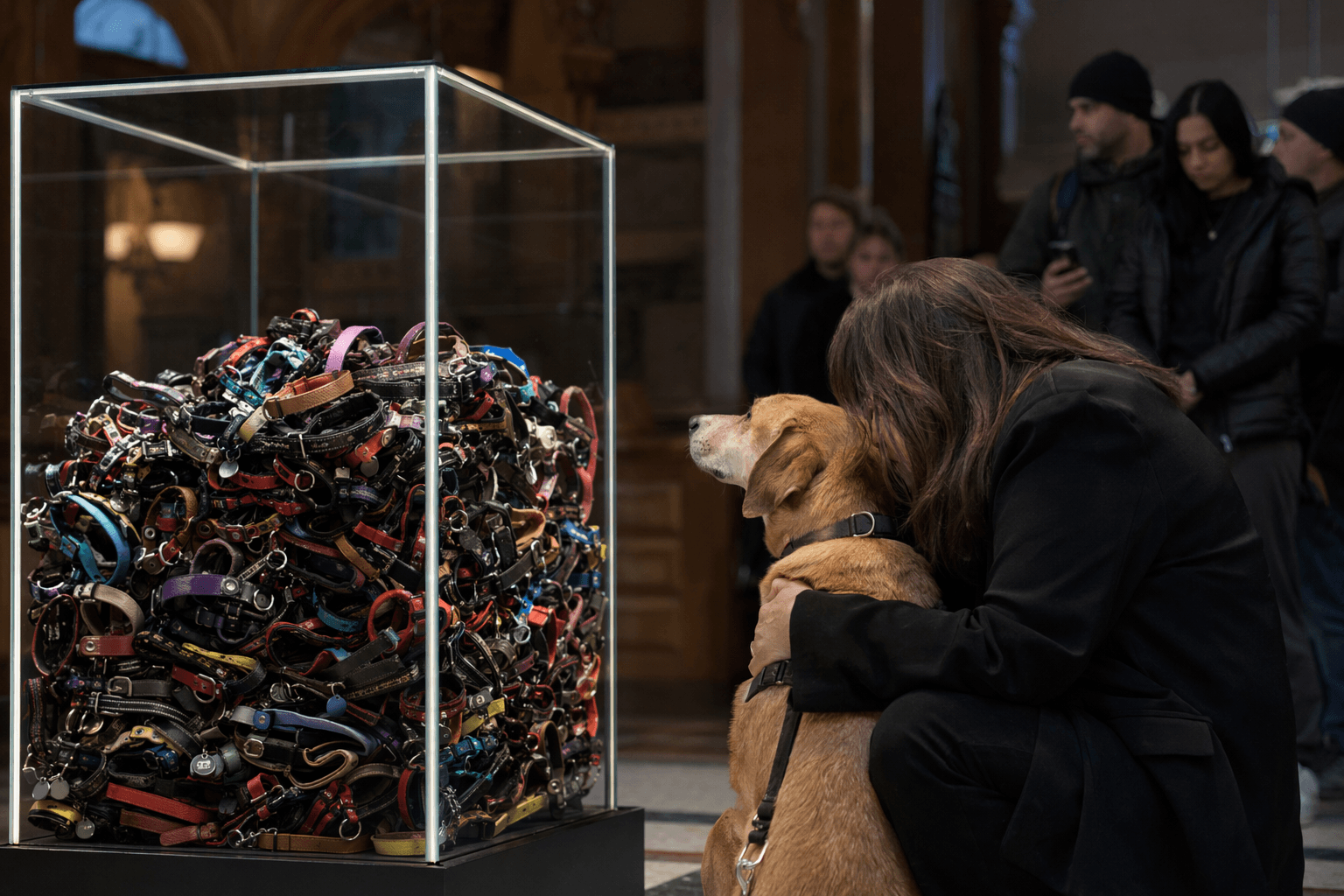
The campaign launched May 13, 2026, with a glass cube display packed with hundreds of collars representing dogs and cats used in Ontario research. Lush Cosmetics and Animal Alliance of Canada said the display was meant to be a visual pressure point for lawmakers and the public, not a product pitch. Animal Alliance says Ontario is the only province with legislation governing animal use in research, and it says more than 22,000 dogs and cats were used in research there between 2018 and 2022.
For bath-bomb shoppers, that matters because Lush has spent years selling a lot more than soap and sparkle. The company says co-founder Mo Constantine invented the first bath bomb in 1989 in a garden shed, and it now describes the bath bomb as one of its signature innovations. Lush says it sold 1.5 bath bombs per second globally in 2025, a pace that turns a single category into the center of a much larger brand story. In that story, activism is not a side quest. It is part of the pitch.
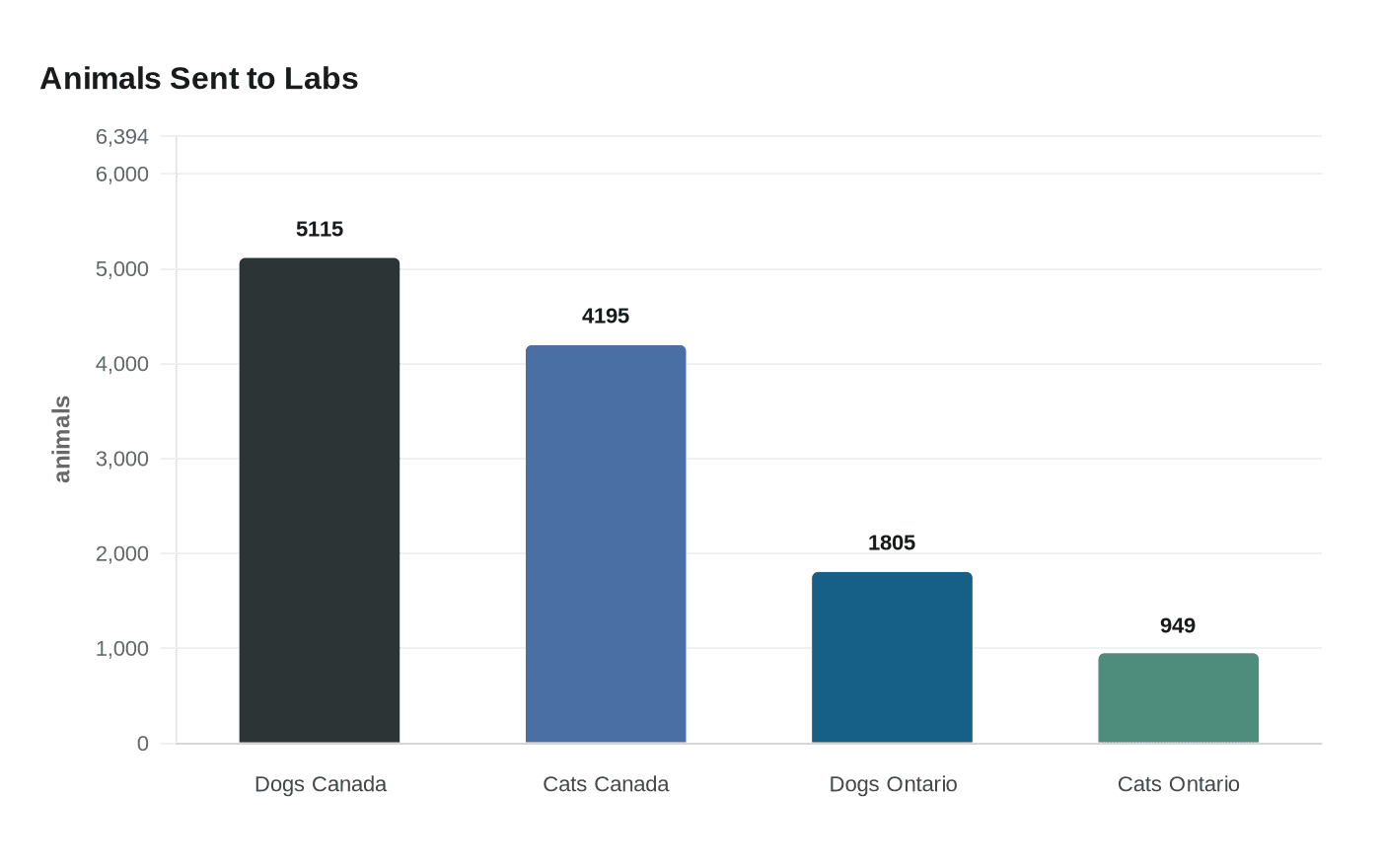
The numbers behind the campaign are the kind that stick with cruelty-free buyers. Animal Alliance says the most recent publicly available nationwide statistics show 77,751 cats and dogs were used in testing, research, and teaching purchases across Canada from 2020 to 2024, based on Canadian Council on Animal Care data. It also says CCAC-certified institutions reported about 5,115 pet dogs and 4,195 pet cats sent to research laboratories across Canada in 2022, including 1,805 dogs and 949 cats from Ontario. Those figures give the campaign its edge: this is not abstract brand virtue, it is a direct challenge to how research animal use is still happening.
Lush says it has fought animal testing for more than three decades, and it has said Canada’s cosmetics animal-testing ban made the country the 44th jurisdiction to #BeCrueltyFree. The company has also said its support helped provide more than $2 million in funding to end animal testing in all research and to back six organizations working against animal testing in Canada. That is the real takeaway for bath-bomb fans weighing indie labels against mainstream names: Lush still uses its loudest campaigns to turn ethics into a trust signal, and the bath bomb remains the product that carries that message best.
Know something we missed? Have a correction or additional information?
Submit a Tip