Ki No Kaze Bonsai Club teaches beginners to shape and care trees
Seventy-seven beginners got hands-on at Scot’s Marketplace, shaping their own bonsai trees and learning the care that keeps them alive.
A room full of hands-on beginners
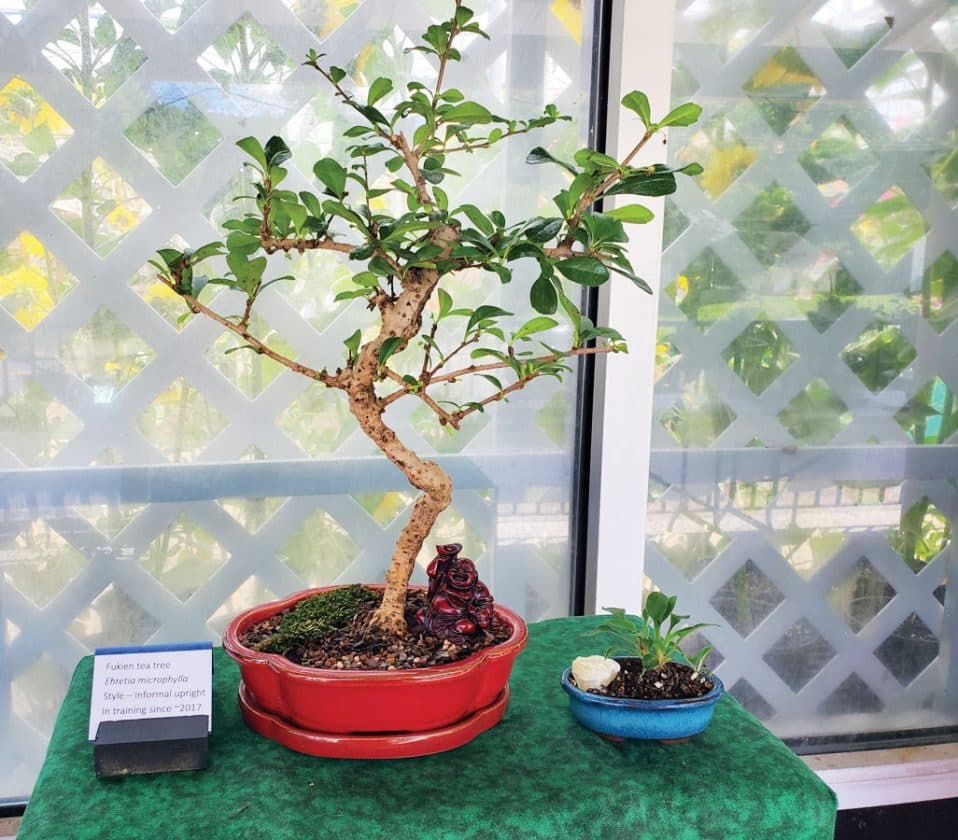
Seventy-seven people turned out Saturday morning, May 30, 2026, for a Ki No Kaze Bonsai Club workshop at Scot’s Marketplace in Vienna, West Virginia. The point of the session was not to sit back and watch. Participants learned how to train and shape their own bonsai trees, then took those trees home with the start of a real plan for keeping them healthy.
That made the morning feel less like a lecture and more like a working session. The workshop ran from 11:00 a.m. to 12:30 p.m. according to the event listing, and the pace matched the format: short enough to stay focused, long enough to get hands in soil, tools in motion, and beginners moving from curiosity to practice.
What the class actually covered
The biggest value in the workshop was its balance of styling and aftercare. Beginners were not only shown how to shape their trees, they were also given basic care and maintenance instruction so the work would hold up after they left. That matters in bonsai, where the first trim or wiring session is only useful if the tree keeps getting the right attention afterward.
The lesson was simple but important: learn the shape, then learn how to maintain it. For newcomers, that is often the difference between a tree that survives the first burst of enthusiasm and a tree that develops over time. The workshop’s take-home format reinforced that idea, since each attendee left with their own tree rather than a finished display piece.
Kathy Heflin’s work before the class captured the practical spirit of the event. Photo coverage showed her preparing pots ahead of the workshop, the kind of behind-the-scenes detail that makes a beginner session run smoothly. Bonsai always has that hidden layer of prep, and this workshop made clear that the club understands it as part of the teaching.
Why Ki No Kaze’s approach feels accessible
Ki No Kaze Bonsai Club meets most months at Scot’s Marketplace, which gives the group a steady rhythm and makes the hobby feel local rather than distant. That regular schedule matters for bonsai, because a tree does not care whether the lesson was memorable. It only responds to consistent care, repeated checks, and the patience to come back again.
The club also reaches beyond its home base. Local coverage noted that Ki No Kaze has shown trees and taken part in regional events including the Mid-Ohio Valley Multi-Cultural Festival, the Parkersburg Art Center, and Earth Day events in Marietta. That mix of venue, public outreach, and seasonal appearances keeps bonsai visible in the Mid-Ohio Valley and gives newcomers more than one way to encounter the club.
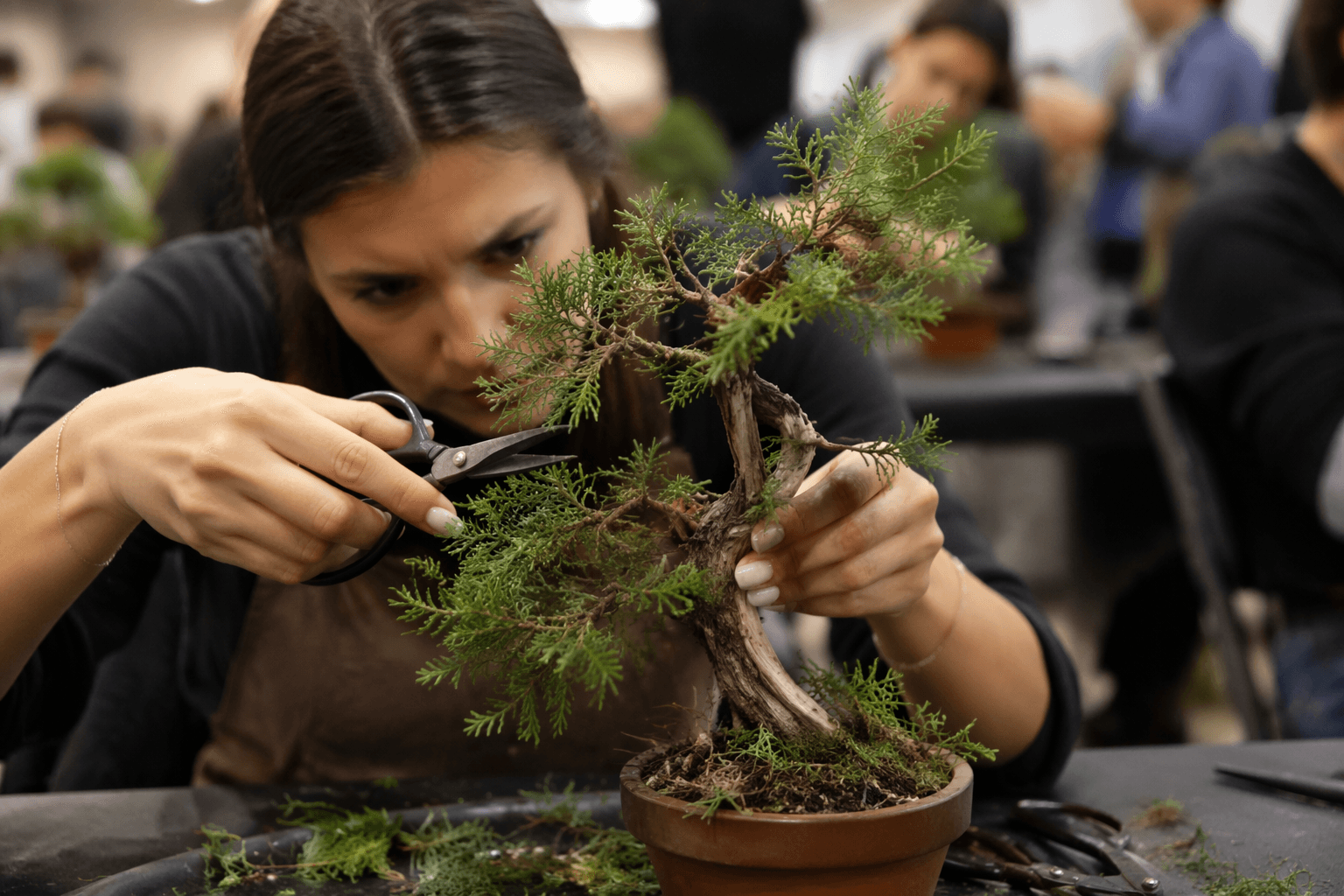
For a lot of people, that is what lowers the barrier. Bonsai can look intimidating from the outside, all tiny branches and careful wiring. Seeing a club repeatedly in the community, then watching it teach a room full of beginners in Vienna, makes the whole thing feel less like a specialized corner of horticulture and more like something a person can actually start.
A decade-long tree says more than a lecture
Jim Lindley, a Ki No Kaze Bonsai Club member, offered the best reminder of what this hobby asks for. A photo caption identified one of his bonsai trees as a tree he has cared for for more than a decade. That single detail says a lot about the scale of the commitment.
Bonsai is built on time. Saturday’s workshop gave beginners the first step, the shaping and the care basics that get a tree through the early stage. Lindley’s decade-long tree shows where that process can lead when attention does not stop after the first workshop, the first styling, or even the first few years.
That is also why the club’s teaching style works. It does not frame bonsai as a one-day craft or a quick decorative project. It frames it as a practice that can begin with a handful of participants at Scot’s Marketplace and continue, slowly and deliberately, for years after they leave with their own trees.
The takeaway from Scot’s Marketplace
The most useful thing about the workshop was how direct it was. Seventy-seven people did not just hear about bonsai, they worked on trees, learned the basics of maintenance, and walked away with something living to keep shaping. That is the kind of local teaching that turns a niche art into an approachable habit.
At Scot’s Marketplace, Ki No Kaze Bonsai Club made bonsai look less like a mystery and more like a craft you can start on a Saturday morning, then keep refining month after month.
This article was produced by Prism’s automated news system from verified source data, official records, and press releases, then run through automated quality and moderation checks before publishing. The system is built and supervised by the people who set the standards it runs under. Read our full AI policy.
Know something we missed? Have a correction or additional information?
Submit a Tip