Mariko Ozawa named ambassador for JUME BONSAI brand
Mariko Ozawa’s new role at JUME BONSAI points to a bigger push: bonsai is being sold less like a niche art and more like a lifestyle object.
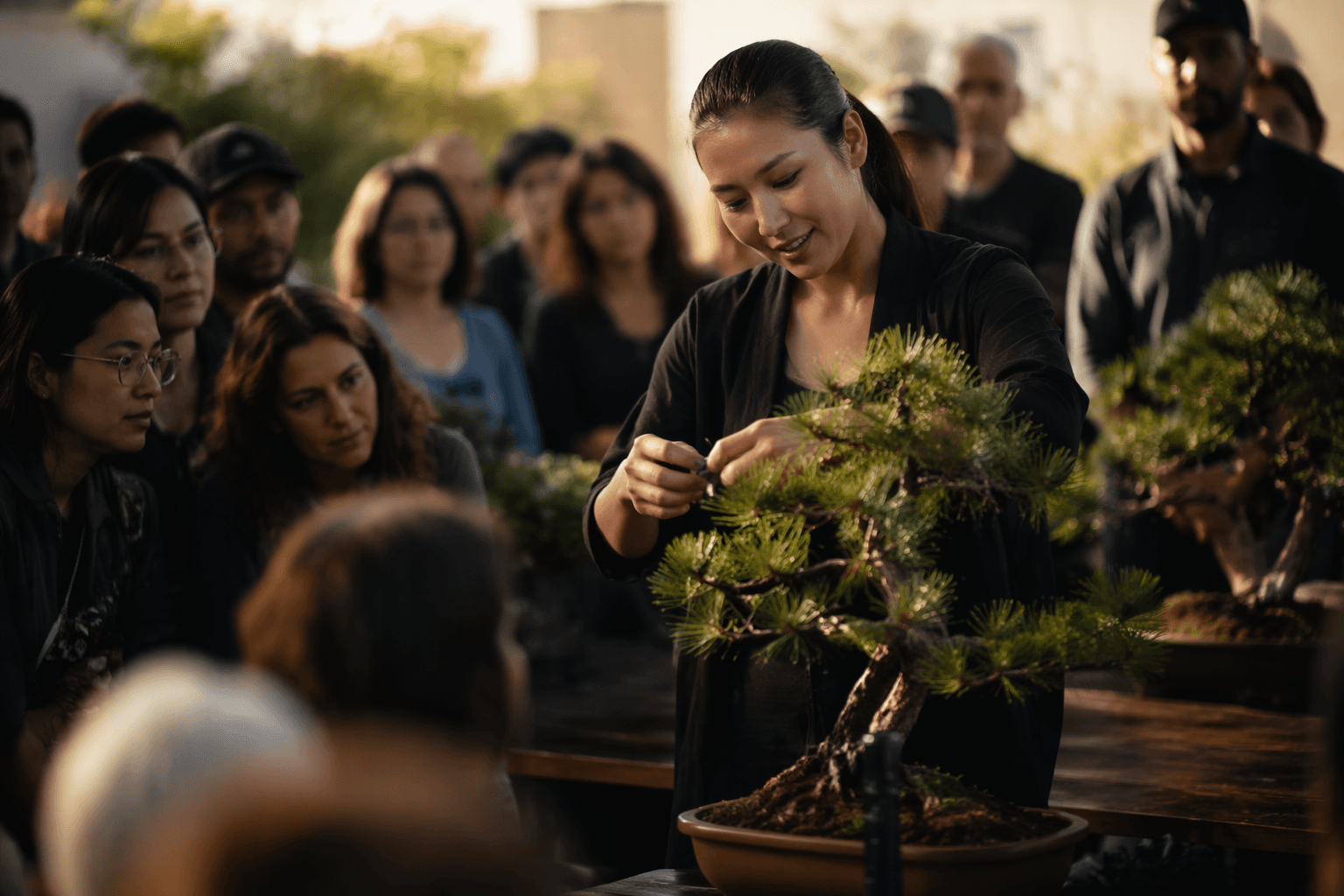
Mariko Ozawa has been named ambassador for JUME BONSAI, and the move says as much about the market as it does about the actress. The brand is not just leaning on a celebrity face, it is trying to frame bonsai as something that can sit in a living room, travel overseas, and appeal to buyers who may never have entered a traditional bonsai garden.
JUME BONSAI was formally announced on September 8, 2025, by Shinzo Co., Ltd. The company says the brand was created by bonsai artist Daisuke Mariko, a third-generation successor to Mariko Bonsai Garden, which it traces back to 1974. That family lineage matters. In bonsai, provenance still carries weight, and the brand is clearly using that lineage to keep one foot in the classical world even as it reaches for a wider audience.
The pitch is overtly commercial and deliberately contemporary. JUME BONSAI says it is an art-bonsai project aimed at domestic and overseas collectors, with custom orders and international shipping. Its concept centers on the “memory of life” and on connecting nature, humanity, culture and time. The product lines are labeled MUKU and SHOKEI, and the company says the works are maintenance-free and do not require watering. That last point is the clearest signal of the branding strategy. This is bonsai imagery translated for interiors, hospitality spaces and buyers who want the look without the labor.
Ozawa’s appointment fits that shift. Tokyo Sports reported that she said she felt honored by the role and viewed the works as carrying Japanese aesthetics and spirituality. That is exactly the kind of language a lifestyle brand wants around it: refined, portable, and culturally legible outside the bonsai booth. A celebrity ambassador can help JUME BONSAI move from specialist circles into design-minded retail, where presentation often sells before technique does.
Still, the broader question is whether this kind of mainstream packaging helps bonsai or flattens it. Serious enthusiasts know the art is rooted in years of pruning, wiring, repotting and seasonal judgment, not just in the silhouette. Japan’s tourism agency says the word bonsai entered the Oxford English Dictionary in 1976, and the World Bonsai Convention first convened in Omiya in 1989, reminders that the art has already traveled far beyond Japan. The Japan Bonsai Association says the modern term emerged in the Meiji period, long before today’s branding push.
That history gives JUME BONSAI room to experiment, but also sets the standard it has to meet. Ozawa’s ambassador role may bring fresh attention, yet the brand will still have to prove that a polished lifestyle pitch can sit beside the discipline and credibility that have always defined bonsai.
This article was produced by Prism’s automated news system from verified source data, official records, and press releases, then run through automated quality and moderation checks before publishing. The system is built and supervised by the people who set the standards it runs under. Read our full AI policy.
Know something we missed? Have a correction or additional information?
Submit a Tip