Susquehanna Bonsai Club shows why patience shapes living art
Susquehanna Bonsai Club stays relevant by teaching bonsai as a repeatable practice, not a mystery. Doyle’s long view shows why patience, repotting, and steady mentorship keep trees alive.
A club built to keep beginners from quitting
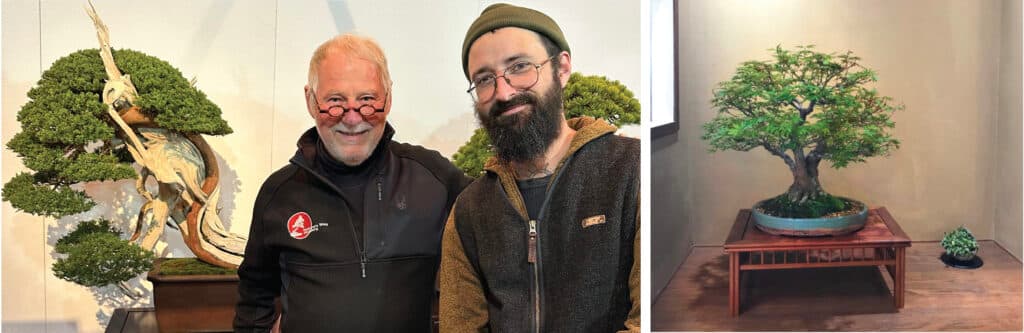
The Spark’s 53-year look at bonsai in Central Pennsylvania lands on the real reason people still show up: the Susquehanna Bonsai Club keeps the art practical. WITF’s June 2 segment, published June 3, puts Jim Doyle in the middle of the story and treats bonsai less like a display trick than a craft built on patience, observation, and long-term stewardship.
That is the club’s survival edge. The Susquehanna Bonsai Club says it was started in 1980 by a small group of men and women, and its mission is still plainspoken: promote the understanding and study of bonsai as a horticultural art form. In other words, the club does not just admire finished trees. It tries to make sure people know how to keep one alive long enough to become something worth admiring.
Why Doyle’s perspective still matters
Doyle gives the segment its backbone because he has seen the hobby from every angle, as a grower, teacher, and organizer. Nature’s Way Nursery’s biography says he was involved in founding the Susquehanna Bonsai Club, that the club grew to more than 100 members, and that he co-chaired the 1992 ABS Convention in Hershey. That is the kind of résumé that only comes from staying with a craft for decades, not dabbling in it for a season.
TheBurg’s 2024 profile pushes that point even further. Doyle was active in bonsai for 51 years and counting, first encountered the art at Longwood Gardens in 1973, and later studied with Chase Rosade in New Hope. His line that bonsai is “a living art that is never finished” gets at the heart of why clubs like this endure: there is always another decision to make, another season to read, another tree to improve without forcing it.
What the club teaches better than a book does
Bonsai looks delicate from a distance, but the club’s value is in teaching the unglamorous repetition behind the beauty. The WITF segment stresses the difference between a true bonsai and an ordinary potted plant: repeated styling, maintenance, and judgment calls that hold the tree in balance over years, not weeks. That is the kind of learning that sticks when it is shared face to face, tree to tree, mistake to mistake.
For a newcomer, the club’s message is refreshingly unromantic. Start with a first tree you can actually watch. Do not treat one good styling session as a finish line. And do not confuse survival with progress, because a tree that is merely alive is not the same thing as a tree that is being developed well.
- Pick a first tree you can observe regularly, not one that will punish you for forgetting it.
- Treat seasonal care as routine, not rescue work.
- Repotting is part of the cycle, not a one-time fix.
- Do not chase a single perfect soil or fertilizer recipe, because bonsai care is individualized.
A few rules rise out of the segment and the background material:
That last point matters more than most beginners expect. National Bonsai Foundation materials make clear that there is no single panacea for soil and fertilizer choices, which is exactly the kind of reality check a club can deliver faster than a glossy how-to video. Bonsai rewards restraint, but it also rewards specificity. The needs of one tree rarely match the needs of the next.
The regional lesson in Central Pennsylvania
Central Pennsylvania is a good place to understand why bonsai is a long game. The WITF segment frames the art as something that depends on seasonal awareness, which in practice means the grower has to keep reading the tree instead of following a rigid script. That fits the club’s role in the region: not just introducing people to miniature-tree growing, but helping them build habits that fit local conditions and do not set the tree back with one bad decision.
That is also why the club model works. A newcomer can learn the basics, then keep coming back as the tree moves through its own rhythm. The craft becomes repeatable because the community makes repetition feel normal. Over time, the club does more than teach styling. It teaches the discipline of returning to the same tree and making the next right choice.
How the local story connects to the wider bonsai world
The Susquehanna Bonsai Club may be local, but the art it protects is part of a much larger lineage. National Bonsai Foundation notes that bonsai traces through Japanese and Chinese traditions, and says the National Bonsai & Penjing Museum in Washington, D.C., is the world’s first and finest bonsai museum. That bigger frame matters because it shows how a small Central Pennsylvania club is plugged into an art with deep roots and serious institutional memory.
The museum’s Japanese collection began with a gift of 53 bonsai from Japan in 1976 for the American Bicentennial. Those trees arrived in the United States in early 1975 and were dedicated on July 19, 1976. That kind of milestone explains why bonsai attracts people who stay with it: every tree carries time in it, and every collection is built one season at a time.
That is the real thread running through Doyle, the Susquehanna Bonsai Club, and the wider bonsai world. The hobby lasts when it stops pretending to be quick. It endures when mentors keep showing up, when repotting gets done on schedule, and when a grower learns to see each tree as a work that is still becoming what it is meant to be.
This article was produced by Prism’s automated news system from verified source data, official records, and press releases, then run through automated quality and moderation checks before publishing. The system is built and supervised by the people who set the standards it runs under. Read our full AI policy.
Know something we missed? Have a correction or additional information?
Submit a Tip