Charcoal heat keeps Cuba’s chicks alive amid egg crisis
Burning charcoal inside poultry houses is now standing in for grid power in eastern Cuba, a blunt fix to keep chicks warm as eggs turn scarce and expensive.
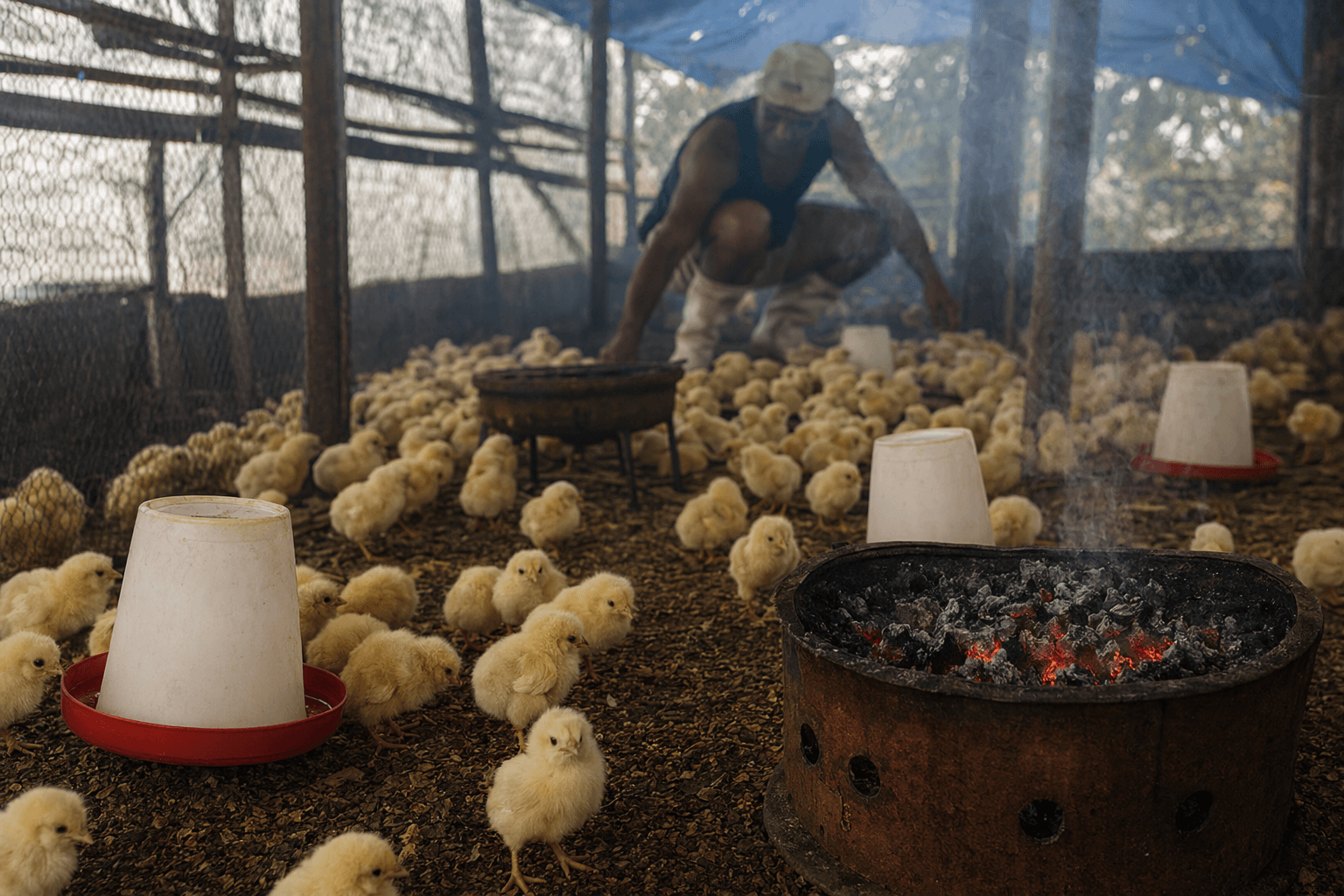
Burning charcoal inside poultry houses has become the difference between life and loss for Cuba’s newest chicks. In eastern Cuba, workers are placing containers of lit charcoal inside the brooding area so the birds can hold steady heat during their first 12 days, a makeshift substitute for electricity in a country where blackouts keep knocking out poultry houses, water pumps and feed storage.
The arrangement reflects the kind of improvisation Cuban agriculture now runs on. State poultry entities are pairing up with campesinos in a model that splits the work: the state supplies feed, while the farmer provides the birds and the basic infrastructure needed to raise them. Officials present it as practical cooperation, but the need for charcoal heat says more about the system’s fragility than its resilience. Brooding chicks normally depends on controlled, reliable warmth. In Cuba, the grid is too unstable to guarantee it.
The pressure on poultry is visible in the numbers. Agriculture Minister Ydael Pérez Brito said in November 2023 that national egg output had fallen from about 5 million eggs a day in 2020 to 2.2 million in 2023. He also said Cuba had roughly 8 million laying hens in its best years, compared with fewer than half that number when he spoke. By 2024, the crisis had deepened further, with about 54,000 laying hens being slaughtered in Holguín because feed was unavailable.
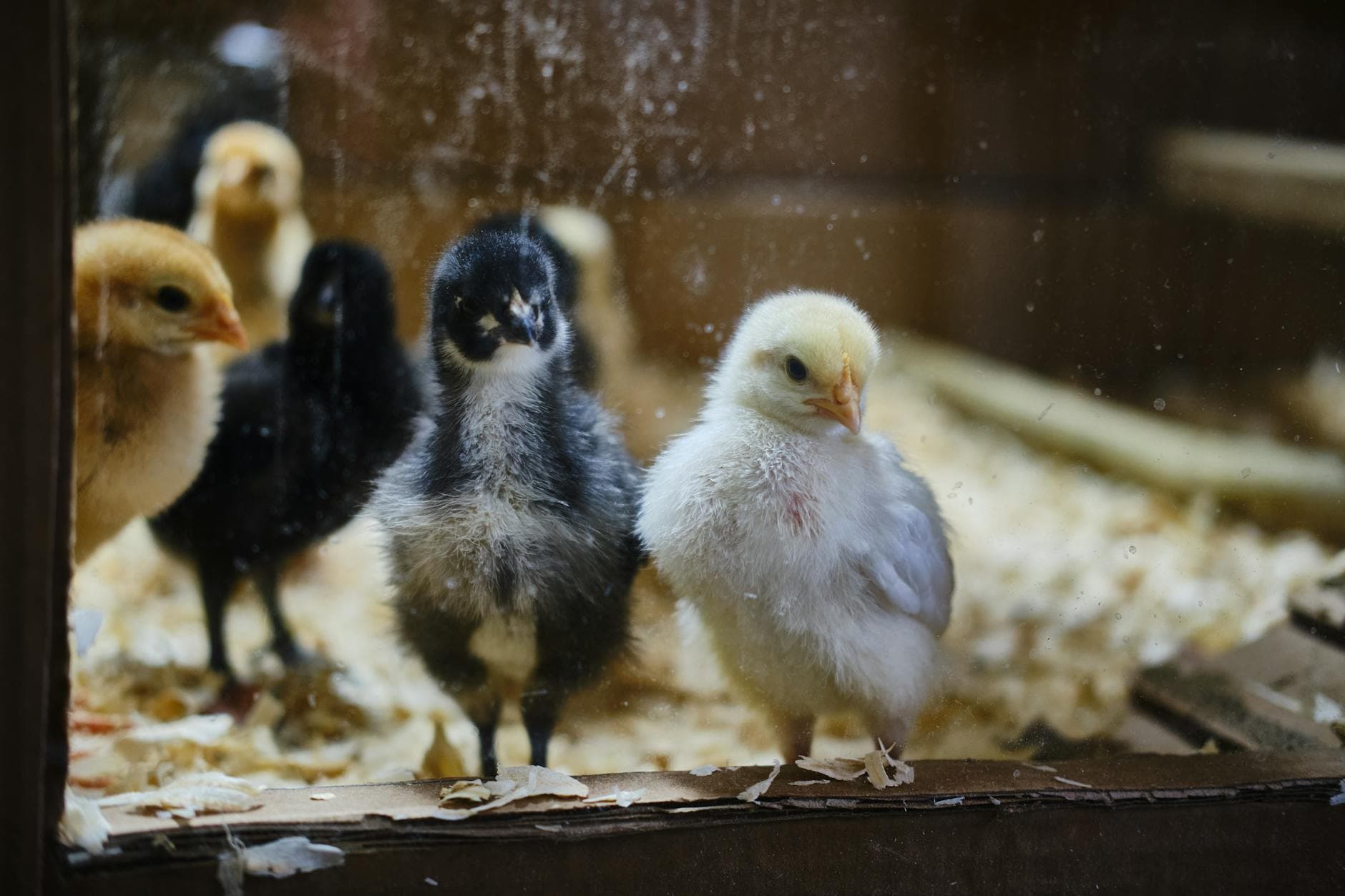
That shortage has pushed Cuba into importing eggs just to fill gaps in the domestic market. Trade figures showed the country spent about $6.7 million bringing in eggs from the Dominican Republic between June 2023 and August 2024, and a Dominican poultry source said one company alone shipped nearly 1 million eggs to Cuba in a single week. The dependency runs deeper than eggs themselves. Cuba still relies on imported amino acids and soy, both of them critical to feed, which makes every breakdown in foreign supply or domestic transport hit hard.
For ordinary households, the result is a food that no longer behaves like a staple. By 2025, cartons of eggs were reportedly selling for thousands of pesos in the informal market, far beyond what most state workers or pensioners could pay. In Cuba, eggs have moved from everyday protein to a luxury item, and a container of burning charcoal in a poultry house is now part of the effort to keep that luxury from disappearing altogether.
This article was produced by Prism’s automated news system from verified source data, official records, and press releases, then run through automated quality and moderation checks before publishing. The system is built and supervised by the people who set the standards it runs under. Read our full AI policy.
Did this article answer your question?