Cuba cuts ministries from 27 to 21 amid mounting crisis
Cuba will cut its central ministries from 27 to 21, but the real test is whether the move speeds permits, imports and services or just reshuffles a strained state.
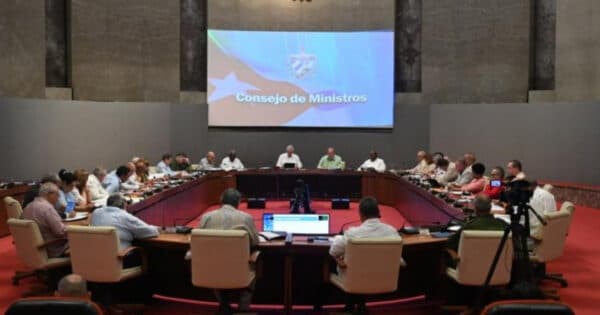
If Cuba trims seven ministries and the paperwork still crawls, the country will feel the change in its permits, imports and ration books, not on a new org chart. The Council of Ministers approved a plan to shrink the Central State Administration from 27 bodies to 21, a move Havana is selling as an answer to years of overlap, delay and bureaucratic sprawl.
The government is packaging the change inside a draft Law on the Organization of the Central State Administration, which would define the number, names, missions and functions of ministries and other central bodies. Granma described the overhaul bluntly: 27 agencies would become 21. Cuban state media said the reorganization is part of a broader 2026 economic program, which tells you plenty about the moment Havana thinks it is in. This is not just administration for administration’s sake. It is crisis management, and it is happening because the state apparatus has become too heavy for the collapse it is trying to manage.
That collapse shows up everywhere Cubans live with it: blackouts, shortages, falling purchasing power, slow services and the endless queue for basic approvals. Reducing ministries may cut some duplication, but it also risks simply moving the same bottlenecks around. If the ministries in charge of trade, imports, transport, food distribution or local services are folded, merged or renamed without real authority shifting down the chain, ordinary Cubans may get more confusion before they get anything faster. The unanswered question is the practical one: will a farmer, a private business, or a family trying to replace a document notice any improvement at all?
The timing also matters. The reshuffle landed as Washington tightened pressure again. On May 1, Donald Trump signed Executive Order 14404, which the White House framed as a step under the national emergency declared in an earlier order. On May 7, the State Department said it had designated GAESA, Ania Guillermina Lastres Morera and Moa Nickel, while describing GAESA as a force in Cuba’s financial services sector that may control 40 percent or more of the island’s economy. Marco Rubio also said the United States had delivered $6 million in humanitarian aid through Caritas and had offered another $100 million that Havana had not agreed to distribute.
That is the backdrop for this downsizing: a state under pressure from sanctions, cash shortages and public frustration, trying to look leaner without admitting deeper reform is needed. Manuel Marrero Cruz has already criticized the bureaucracy as oversized, and the government’s answer is a smaller ministerial map. Whether that changes life in Cuba depends on something far harder than merging offices: whether the state gives up enough control to make itself work.
This article was produced by Prism’s automated news system from verified source data, official records, and press releases, then run through automated quality and moderation checks before publishing. The system is built and supervised by the people who set the standards it runs under. Read our full AI policy.
Did this article answer your question?