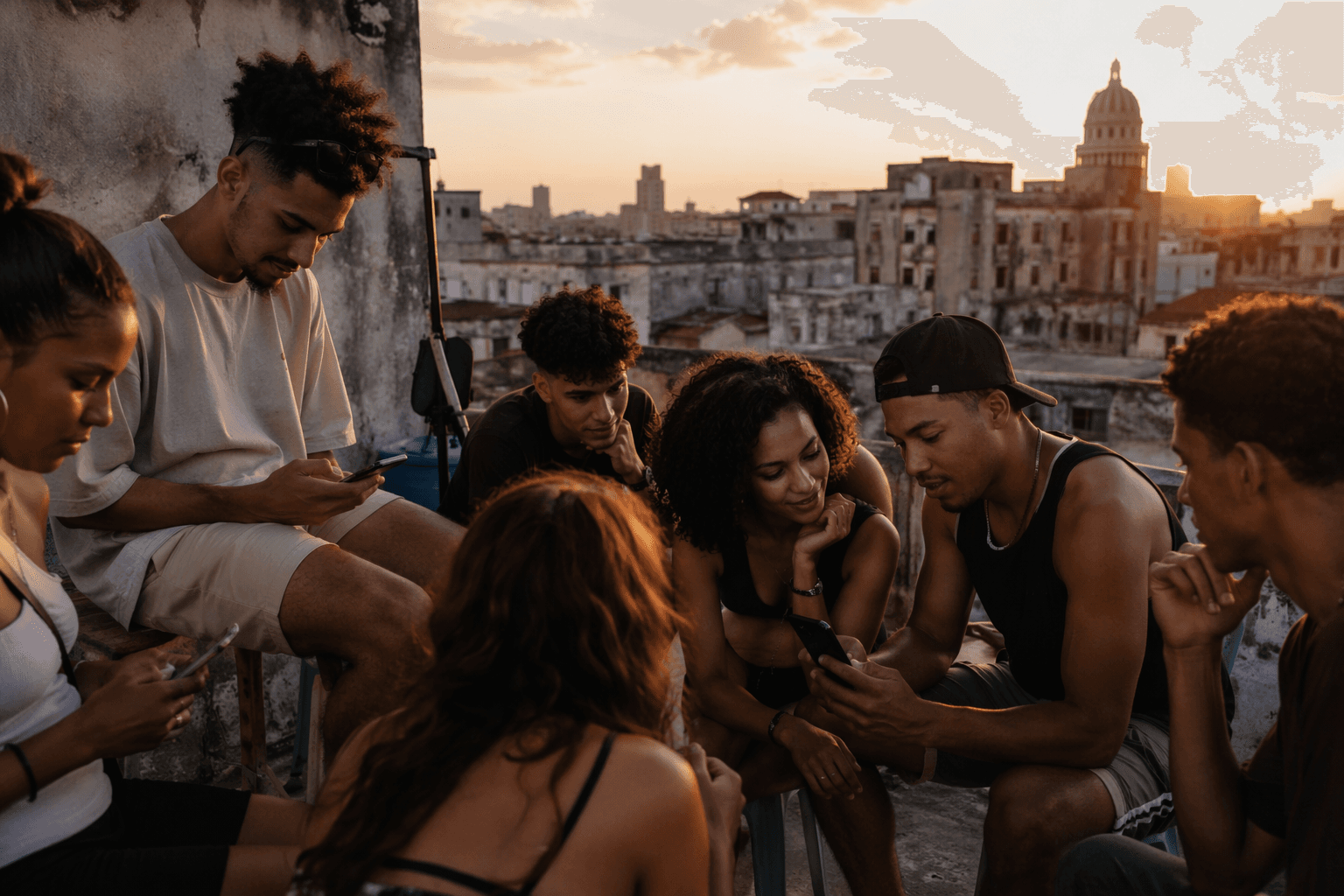
Cuba rallies for May Day parade amid U.S. blockade tensions
Cuba’s May Day call is spreading from factories to classrooms and hospitals as blackouts, water trucking, and 96,000 pending surgeries sharpen the mood.
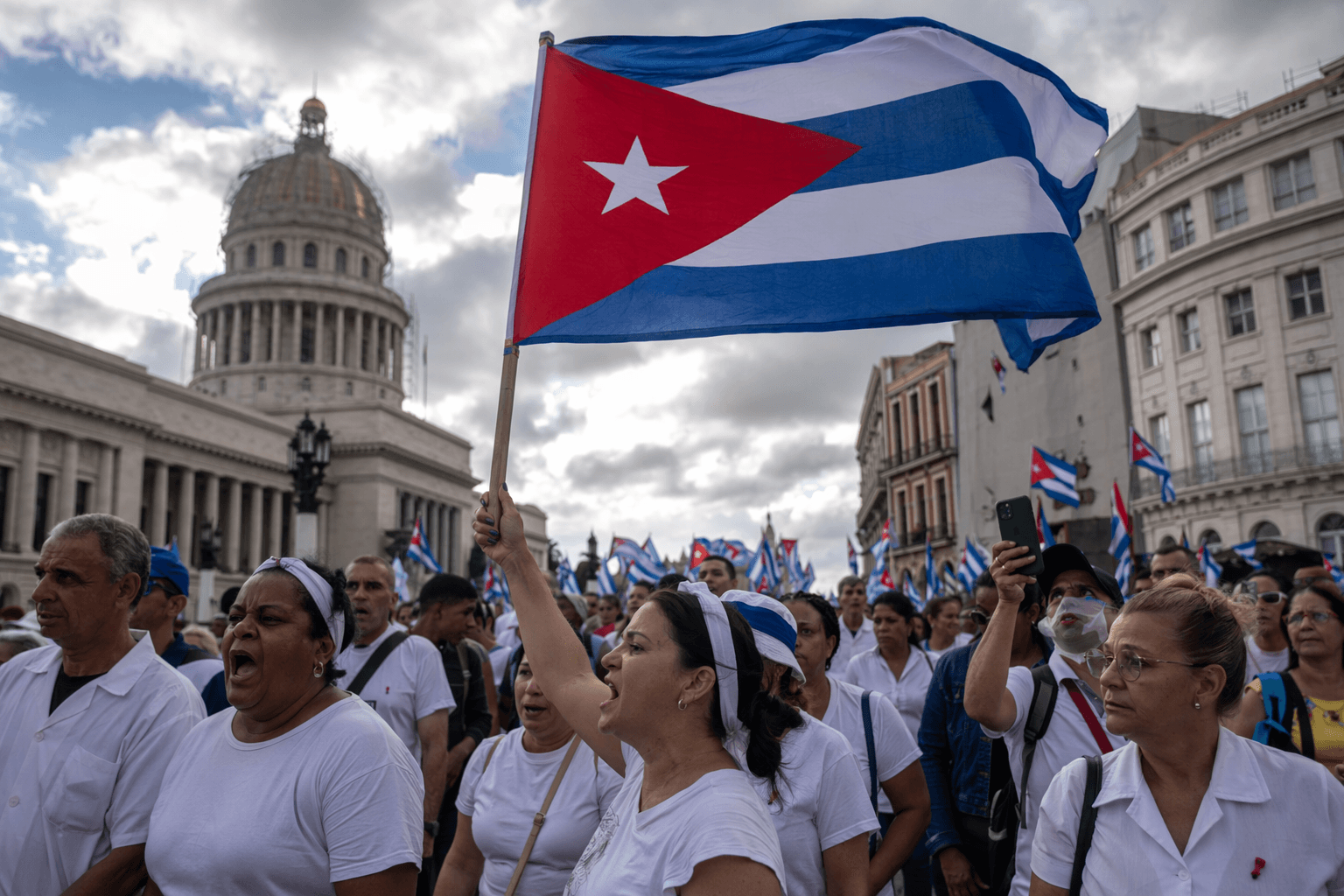
Cuba’s May Day machinery is already rolling, and this year it is being pushed hard through workplaces, neighborhoods, schools, hospitals, and even thermoelectric plants. On April 13, the Cuban Workers’ Federation, together with its affiliated unions and the National Association of Innovators and Rationalizers, issued the official call for May Day 2026 under the slogan “The homeland must be defended,” urging parades and events in every workplace, community, town, municipality, and province.
The mobilization is being framed as a direct answer to Washington’s pressure. Cuban labor organizations tied the call to a January 29, 2026 U.S. executive order that they say added an energy embargo to the long-running economic, commercial, and financial blockade, which they describe as more than six decades old. Miguel Díaz-Canel has been rallying workers, students, and citizens for a massive May 1 parade centered on peace and unity, while warning that Cuba will answer threats with resistance.
What stands out this year is how tightly the parade call is woven into the island’s day-to-day crisis. The CTC’s appeal singled out agriculture, industry, education, science, health, culture, and sports as spaces for participation, not just the traditional labor march. It also invited friends of Cuba abroad to join the celebration, a reminder that Havana wants the event to project solidarity well beyond Revolution Square. The message is not just about showing force; it is about showing that the system can still organize a national turnout under strain.
That strain is real. On April 6, the United Nations said humanitarian needs in Cuba remained acute after late-January U.S. measures hit oil supplies, and that the energy shock deepened after repeated grid failures in late March. UN officials said they are supporting around two million people across eight provinces, while major knock-on effects include more than 96,000 pending surgeries, including 11,000 for children, and about one million people dependent on water trucking. A nationwide power cut on March 16 reportedly lasted more than 29 hours before the grid was partially restored.
The public face of that pressure showed up again in Havana on April 7, when hundreds of women marched against the U.S. pressure campaign and the oil blockade on what would have been Vilma Espín’s 96th birthday. Deputy Prime Minister Inés María Chapman and Deputy Foreign Minister Josefina Vidal joined the rally, with Vidal calling the policy “collective punishment” and the longest-running system of coercive measures ever imposed against an entire country. Against that backdrop, this May Day is less a routine display than a test of whether unity still lands when the lights keep going out.
This article was produced by Prism’s automated news system from verified source data, official records, and press releases, then run through automated quality and moderation checks before publishing. The system is built and supervised by the people who set the standards it runs under. Read our full AI policy.
Did this article answer your question?