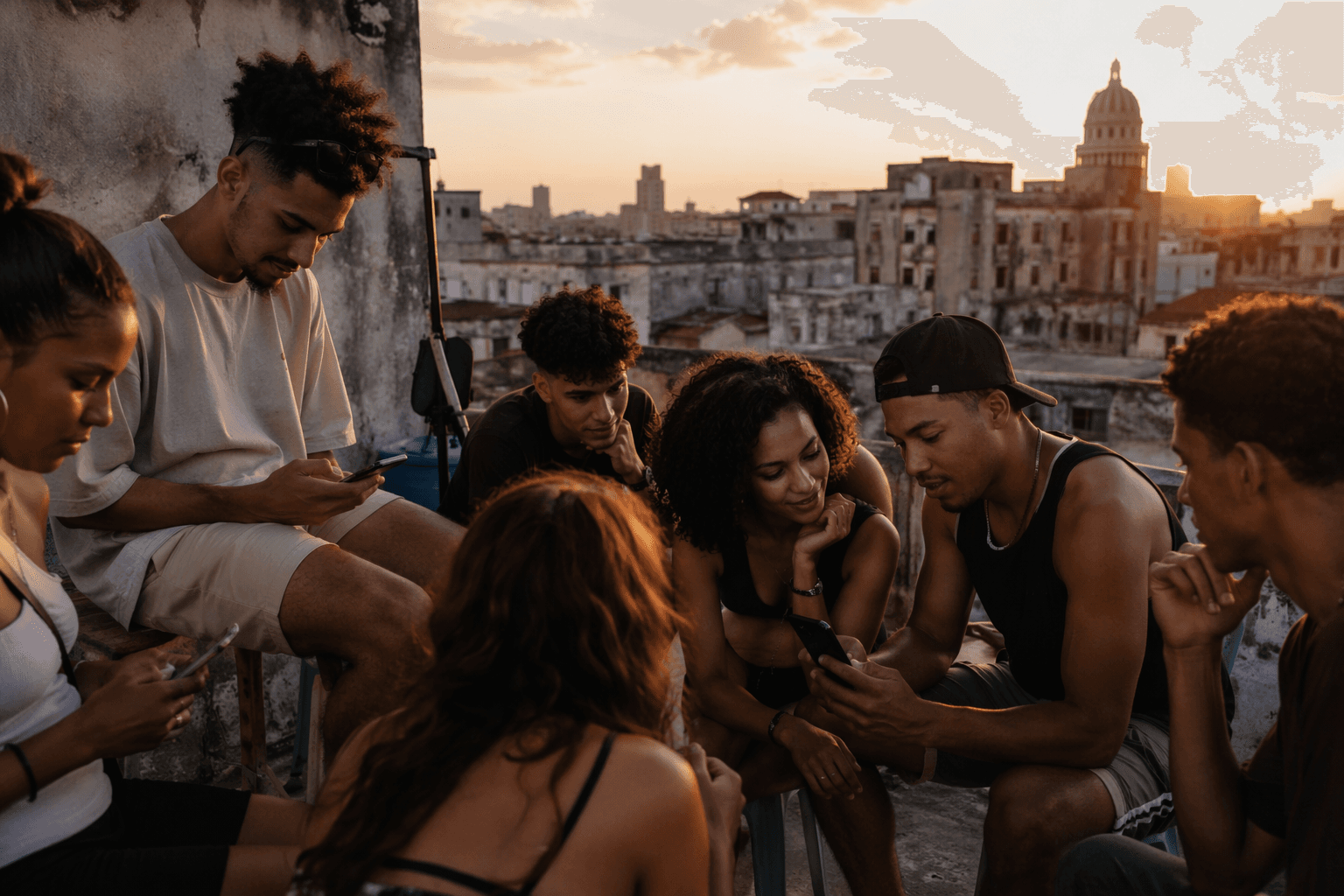
Cuba’s crisis deepens mental-health strain, and breaks old taboos
Blackouts, water cuts, storms, and stigma are pushing Cuba’s emotional strain into plain sight, while families and neighborhood clinics still carry most of the load.
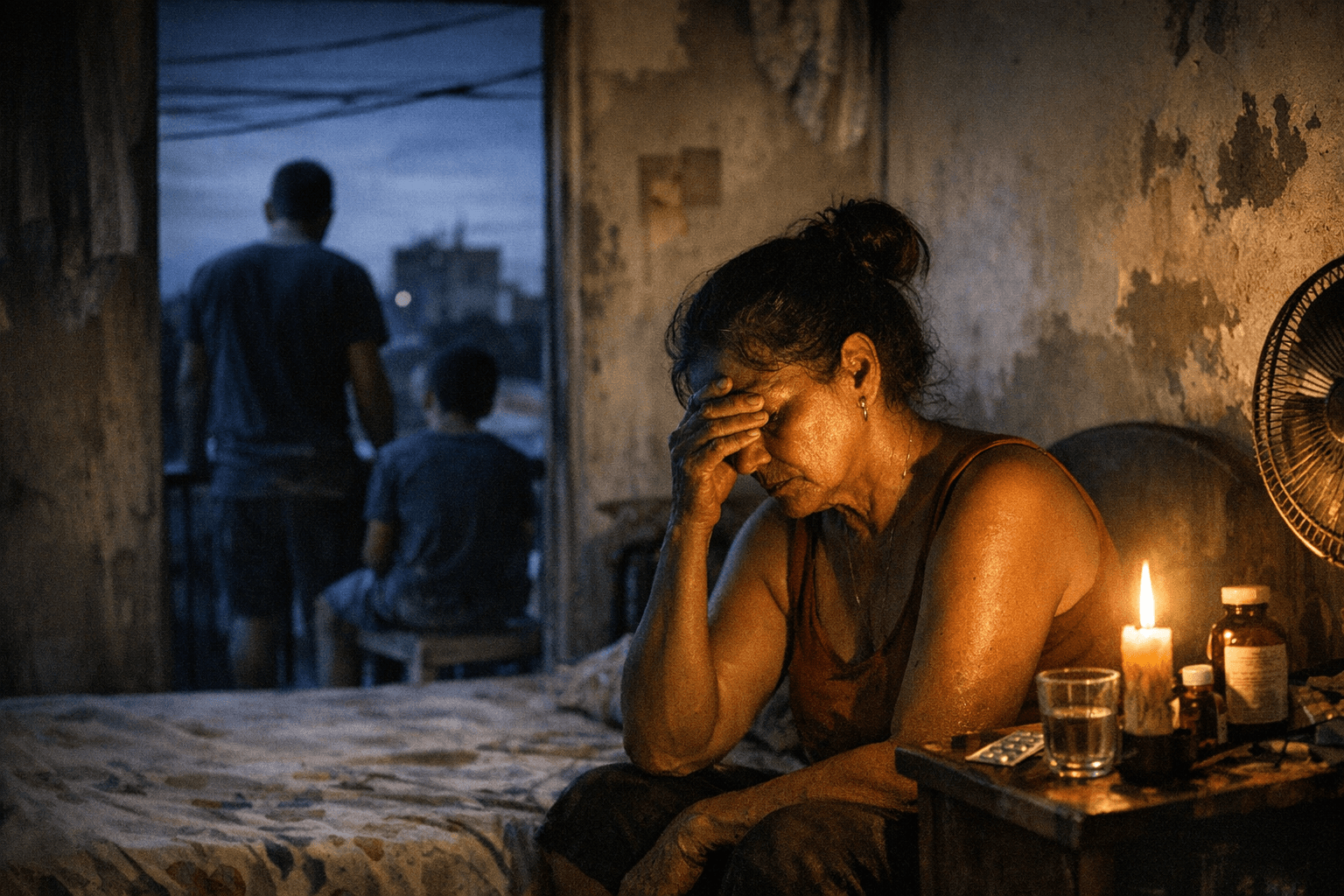
The stress is in the routine
The real pressure in Cuba is often not the headline crisis, but the daily grind that never lets up. Power cuts, water shortages, broken transport, and the constant scramble for basics wear people down in ways that are easy to miss if you only look for dramatic breakdowns. That is why mental health on the island cannot be separated from the broader crisis: it is being shaped by the same shortages, uncertainty, and exhaustion that define ordinary life.
What makes this especially corrosive is the repetition. A bad day becomes a bad week, then a bad month, and suddenly the body is still functioning while patience, sleep, and family harmony are fraying. In that setting, anxiety and depression are not abstract concepts, they are the emotional cost of keeping life moving when almost every system feels unstable.
Crisis has become a mental-health trigger
Cuba’s recent shocks have been severe enough to strain even a country used to improvisation. Between 20 October and 10 November 2024, the island was hit by two hurricanes, Oscar and Rafael, and two major earthquakes, all of which disrupted essential services such as water and health care. PAHO reported 385 damaged health facilities, a number that says a lot about how quickly a public-health problem becomes a psychological one.
That damage landed on top of repeated disconnections of the national electrical system and severe water shortages in provinces including Artemisa and Havana. When the lights go out again and the water does not run, the stress is not just inconvenience. It is fear, lost rest, missed medications, caregiving headaches, and the slow realization that tomorrow may look exactly like today.
For families already stretched thin, these conditions are a perfect engine for emotional strain. They create the kind of uncertainty that makes it hard to plan, hard to hope, and hard to feel in control of anything, which is exactly why the mental burden keeps building even when nobody is talking about it out loud.
Why Cuba’s care model matters here
Cuba’s response to illness has long been rooted in the neighborhood. The family doctor-and-nurse program began on 4 January 1984 at the Lawton Polyclinic in Havana, and the model was built around proximity, with each team responsible for a catchment area of up to about 1,500 people. That history matters because it explains why mental health in Cuba has often been treated as something that should be handled close to home, not only in specialized institutions.
That community logic still has value, especially now. When distress is hidden in households, the first people to notice are often the ones already nearby: family doctors, nurses, neighbors, and relatives who see the same person every day and recognize when a change is more than fatigue. In a country of 11,019,931 people, according to WHO’s 2023 country profile, that kind of local reach can make the difference between a problem that gets named and one that stays buried.
But the model is also under pressure. WHO’s Mental Health Atlas 2024, based on data from 144 countries, shows that even where mental health policy has improved, financing and human-resource shortages remain a stubborn problem. Cuba is not exempt from that reality, and in a crisis economy, the gap between what a community model is supposed to do and what it can actually deliver gets wider fast.

The taboo is real, and it lives inside the system
The hardest part of Cuba’s mental-health story is not only the shortage of care. It is the silence around suffering. The old habit has been to keep emotional pain inside the family, treat it as something private, or dismiss it as weakness. That silence is starting to crack, and more people are naming what they feel, but the stigma has not disappeared.
A 2024 Cuban medical journal study found prejudices and discriminatory language toward people with mental illness among health professionals. That is an important detail because it shows the taboo is not limited to homes or neighborhoods. It is also embedded in the very institutions people turn to for help, which makes it harder for anyone to ask for care without shame.
This is where the story becomes bigger than a medical issue. Mental health in Cuba is also a cultural issue, shaped by what families are willing to say, what professionals are willing to hear, and how much room the system gives people to admit they are struggling. The result is a wide gap between the scale of distress and the limited language, services, and social permission available to address it openly.
The numbers underline what people already feel
The clearest signal that this is not a minor side effect of the crisis is the suicide data. Cuba’s suicide mortality rate was 13.79 per 100,000 population in 2021, according to World Bank data sourced from WHO. PAHO treats suicide as preventable when people can reach timely, evidence-based, often low-cost support, which makes access and early intervention especially important in a country where emotional strain is being fed by repeated disruption.
That matters because mental distress is rarely just one thing. It is disaster, loss, isolation, violence, scarcity, caregiving burden, and the fatigue of not knowing when conditions will improve. When those pressures stack up, the risk rises, and the cost spreads far beyond the person who is visibly struggling.
What Cuba is starting to say out loud
The most important shift right now is not that hardship has become less harsh. It is that more Cubans are starting to talk about the mind as part of the national crisis, not a private failure tucked away behind closed doors. That change is modest, but it matters. Once people begin to name emotional suffering, they can also begin to look for explanations, support, and language that makes sense of what they are living through.
Cuba’s crisis has always been measured in shortages, outages, and damaged infrastructure. Now it is also visible in the way people carry their fear, their exhaustion, and their silence. The country is learning, slowly and unevenly, that the emotional damage of prolonged hardship is not secondary to the crisis. It is part of the crisis itself, and pretending otherwise only keeps the pain hidden longer.
This article was produced by Prism’s automated news system from verified source data, official records, and press releases, then run through automated quality and moderation checks before publishing. The system is built and supervised by the people who set the standards it runs under. Read our full AI policy.
Did this article answer your question?